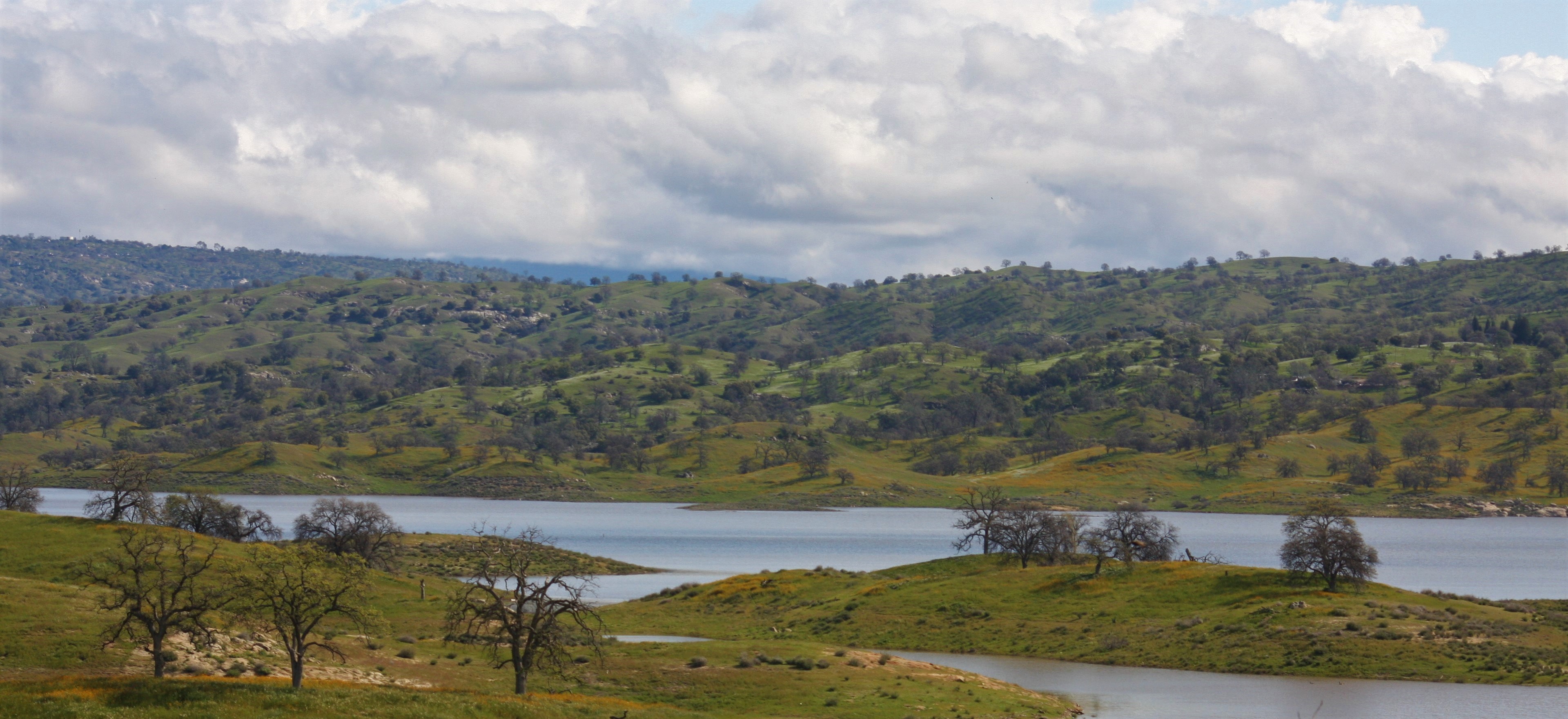
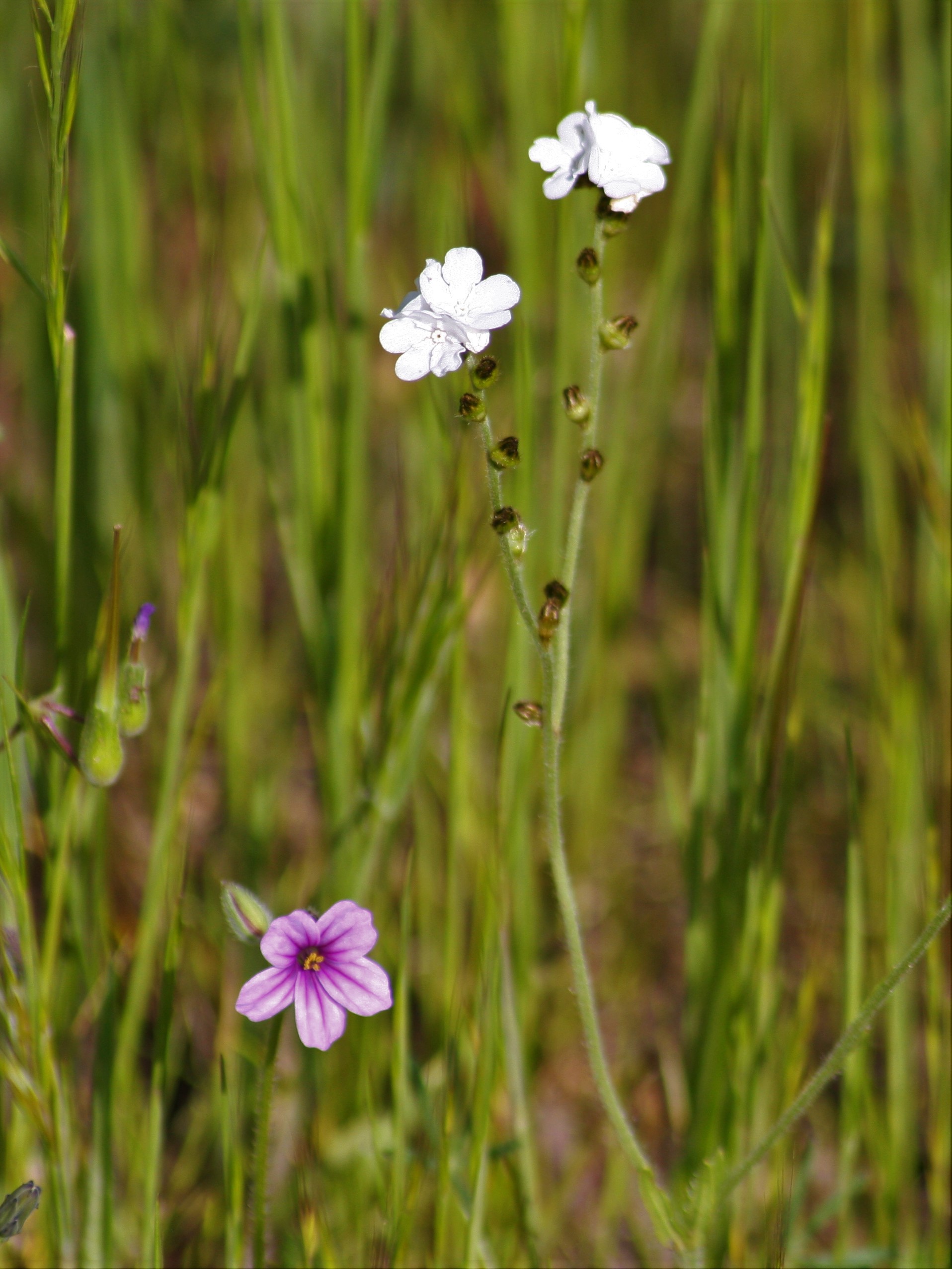
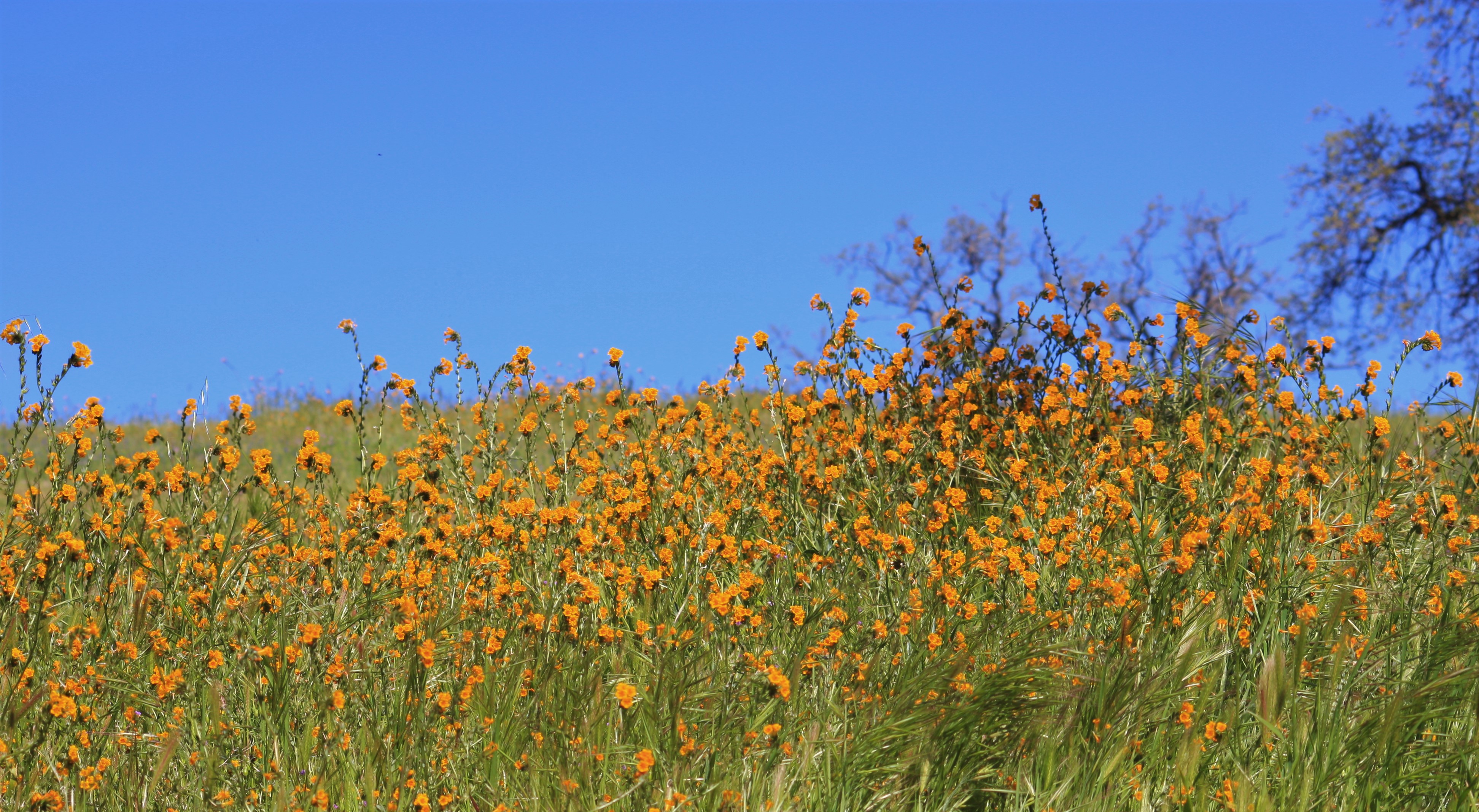
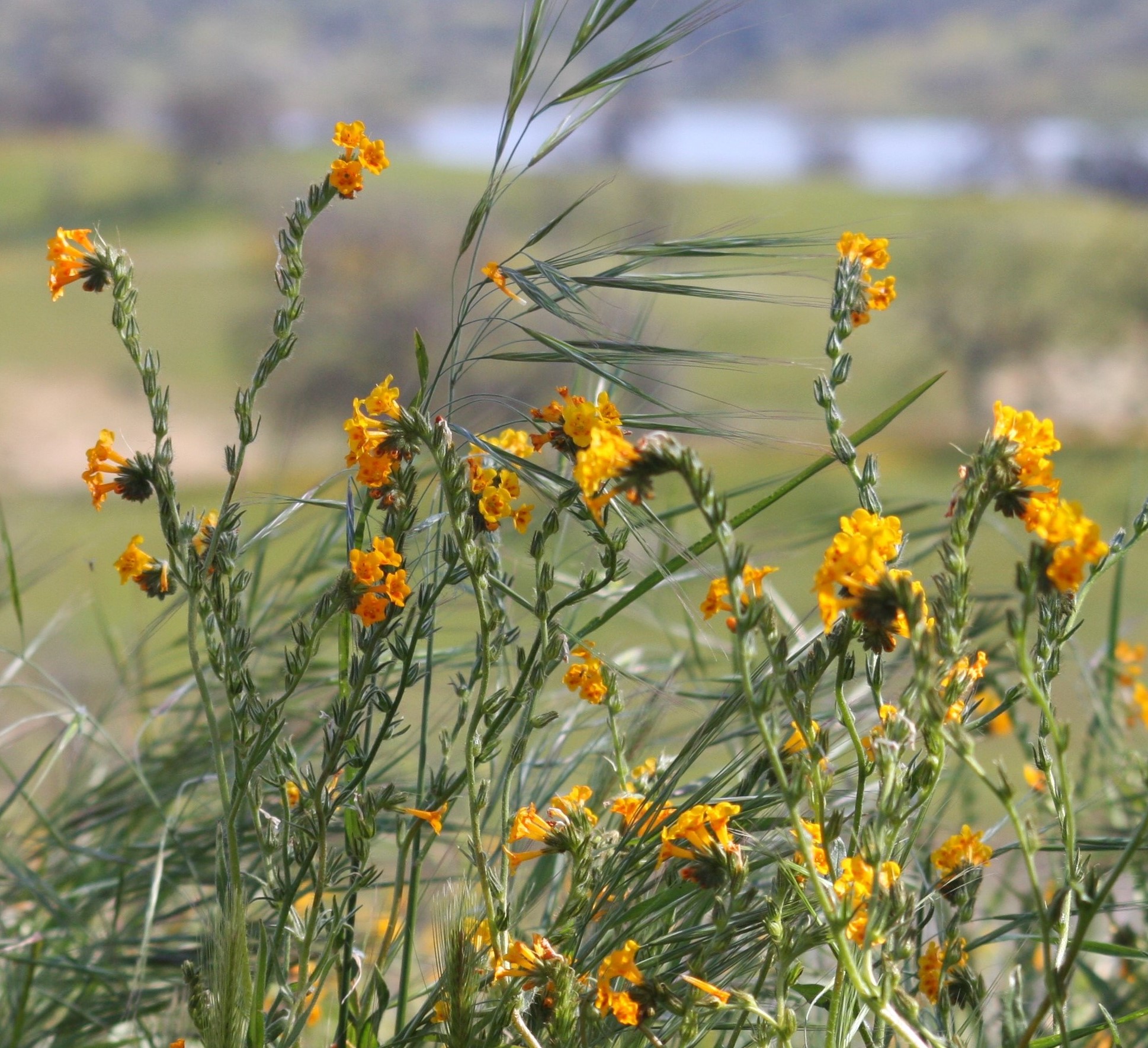
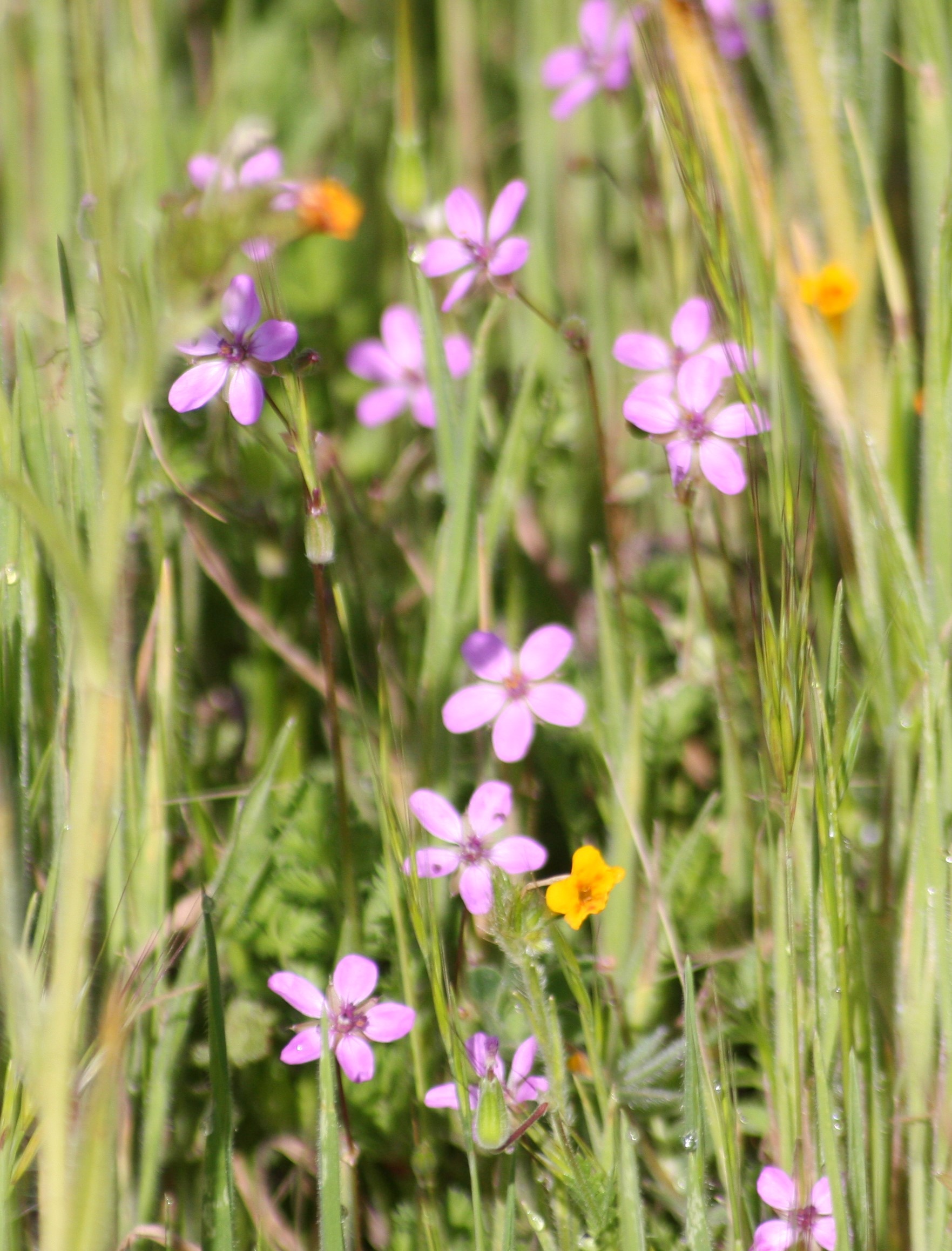
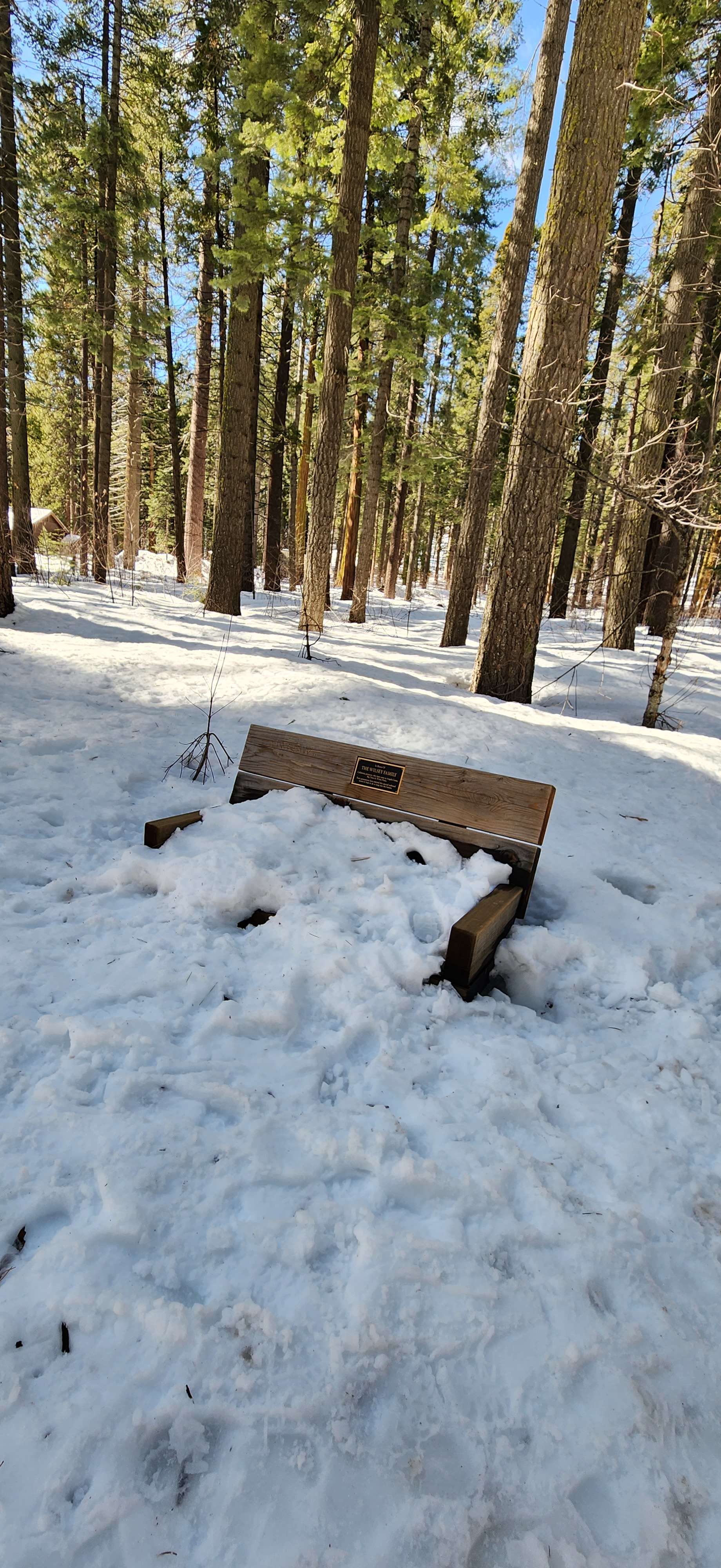
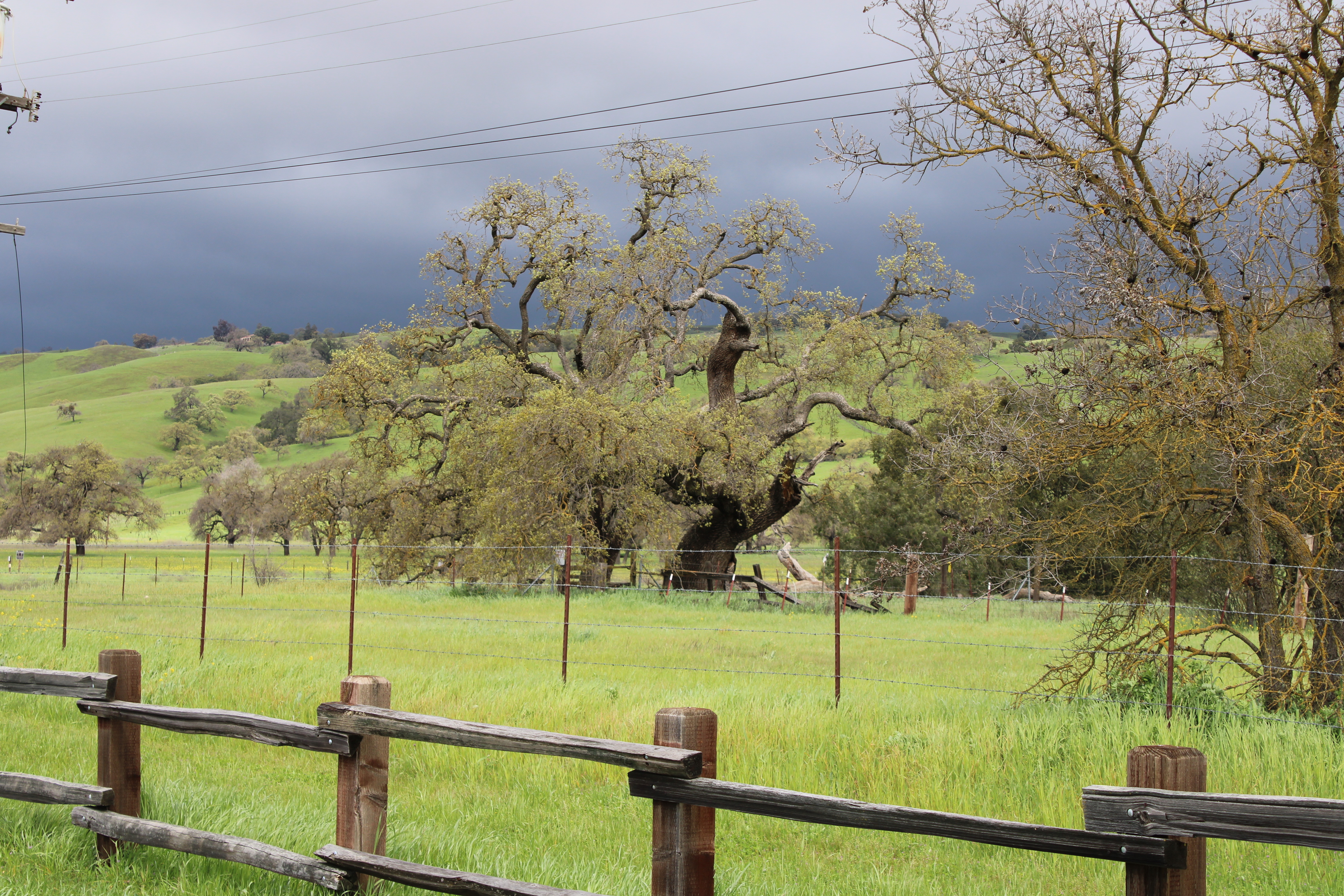
We moved to Hidden View Campground in Raymond, CA. We were closer to Yosemite National Park and we were excited to go explore! But it was still cold and the park was covered in a TON of snow and was pretty much inaccessible. So, we settled in and hoped the weather would change. Well, that crazy California winter wanted to hang on a bit longer. We never made it to Yosemite, but we enjoyed our stay at the campground. The wild flowers were blooming, our view was beautiful and Big Trees State Park was open.
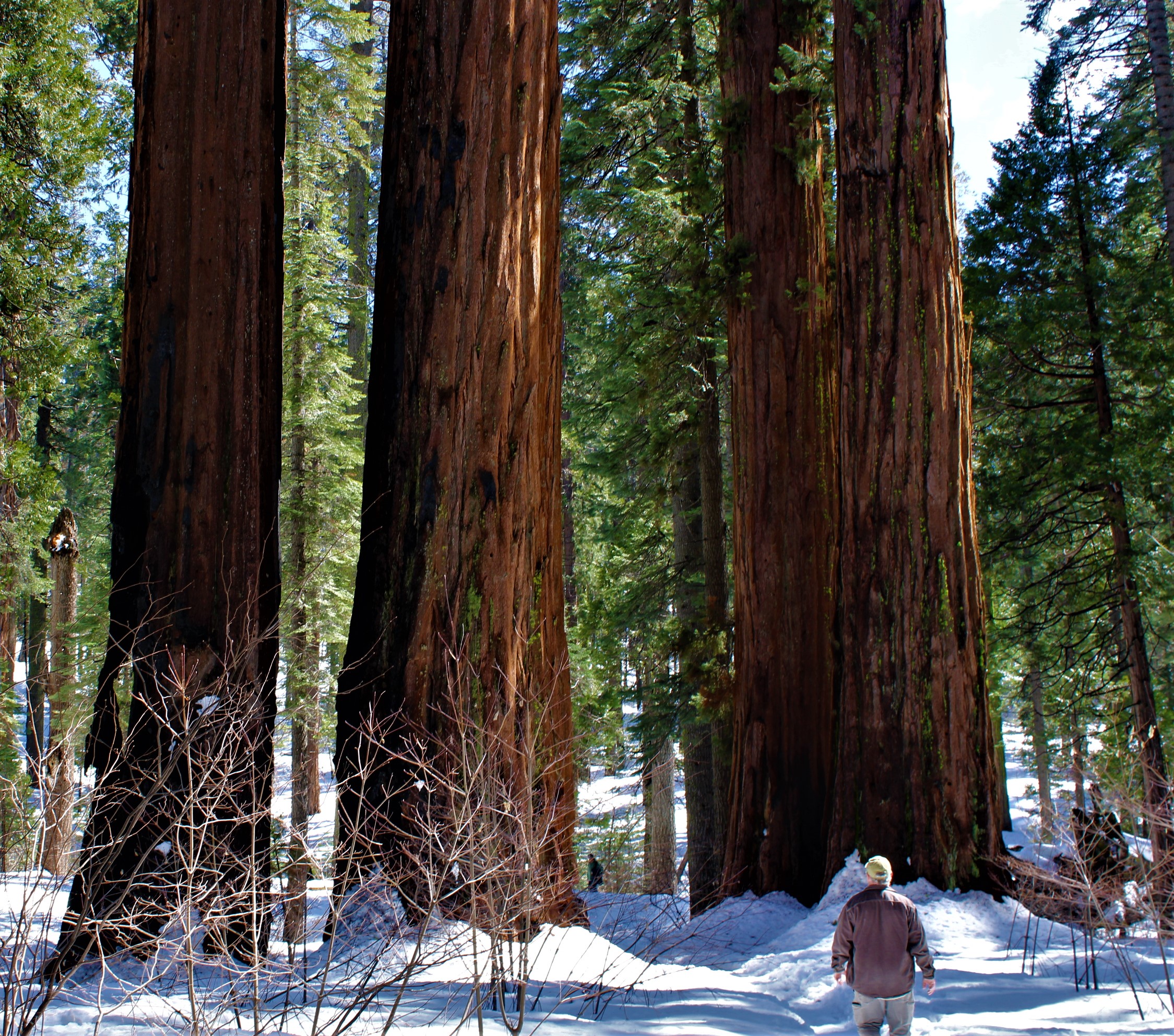
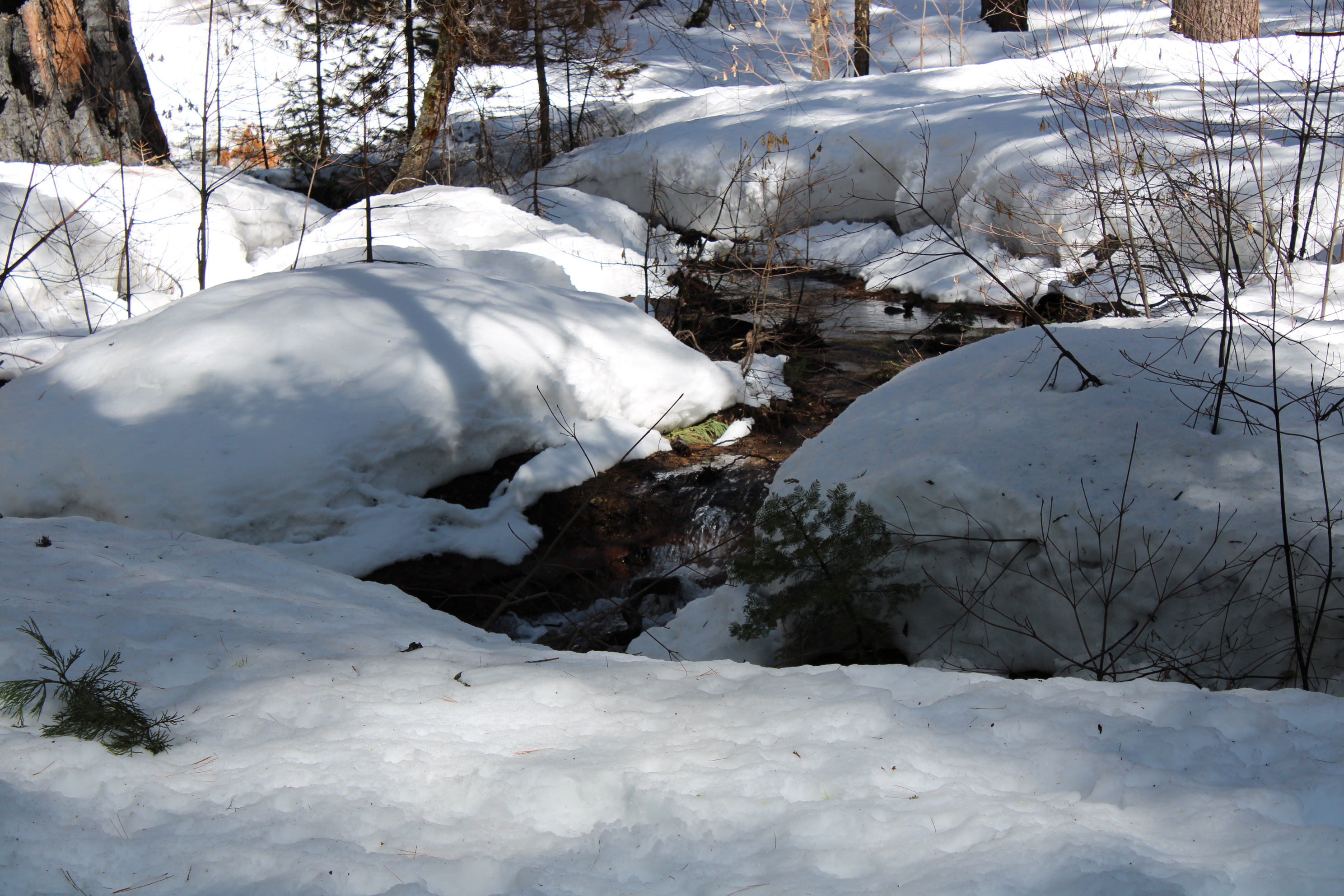
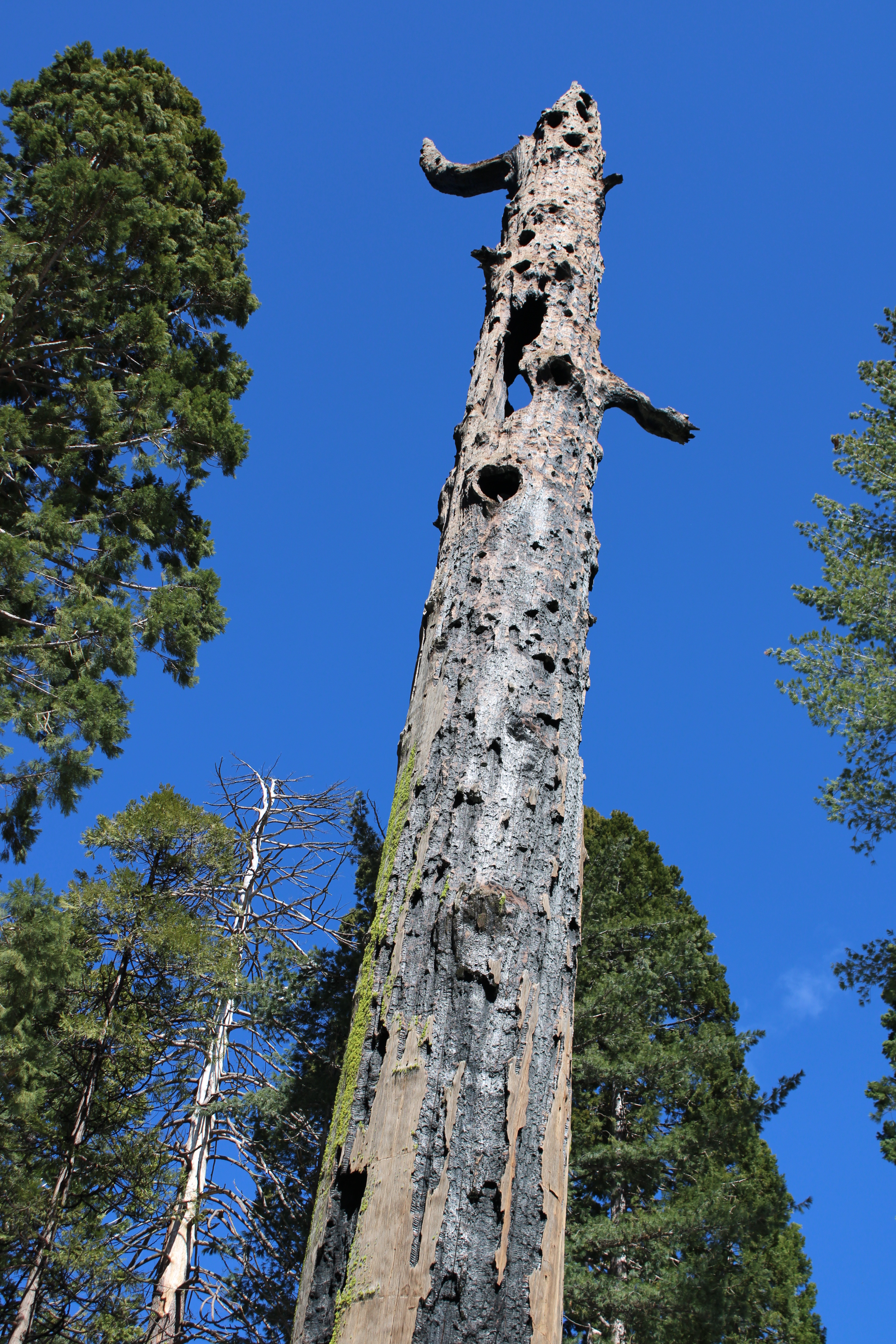
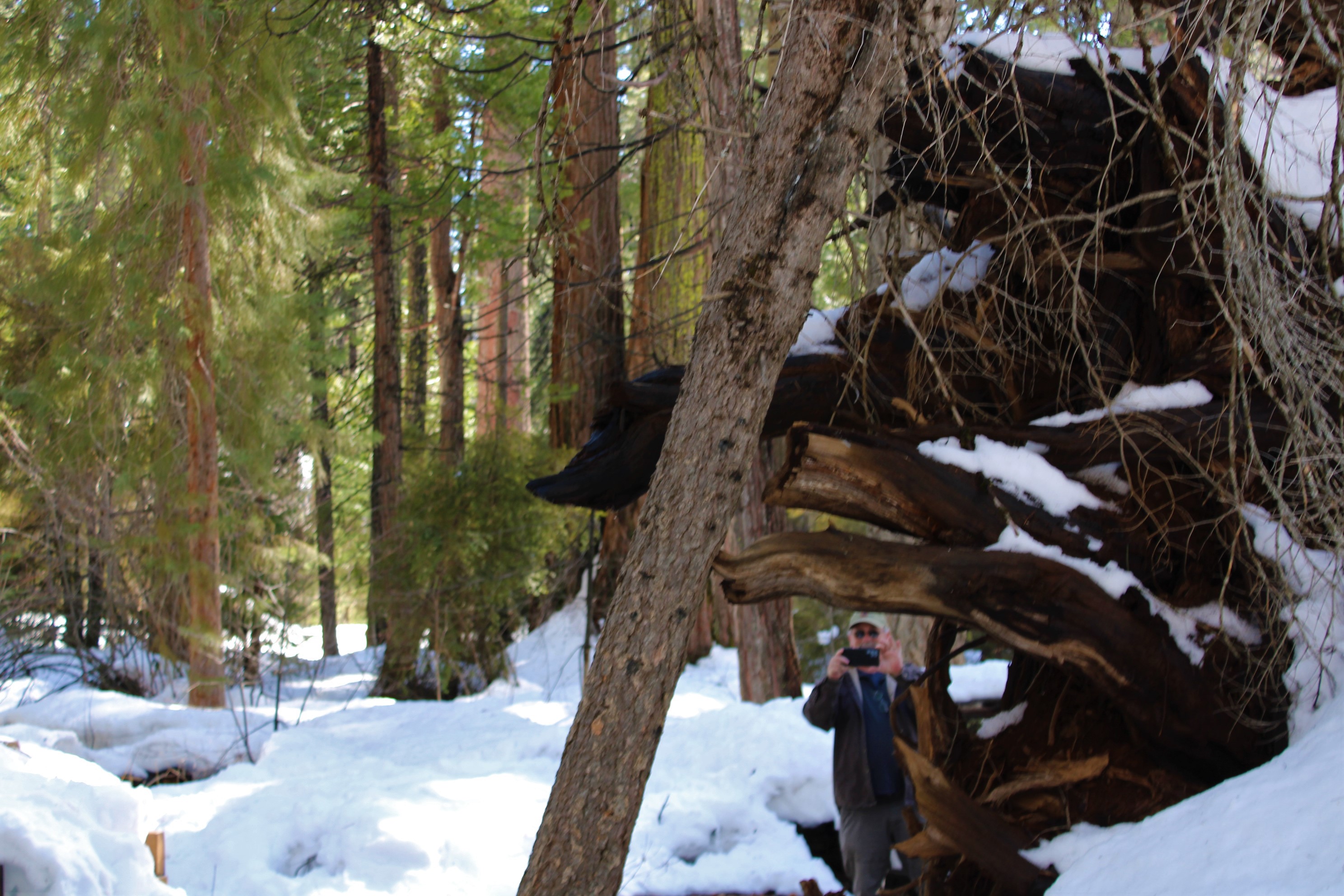
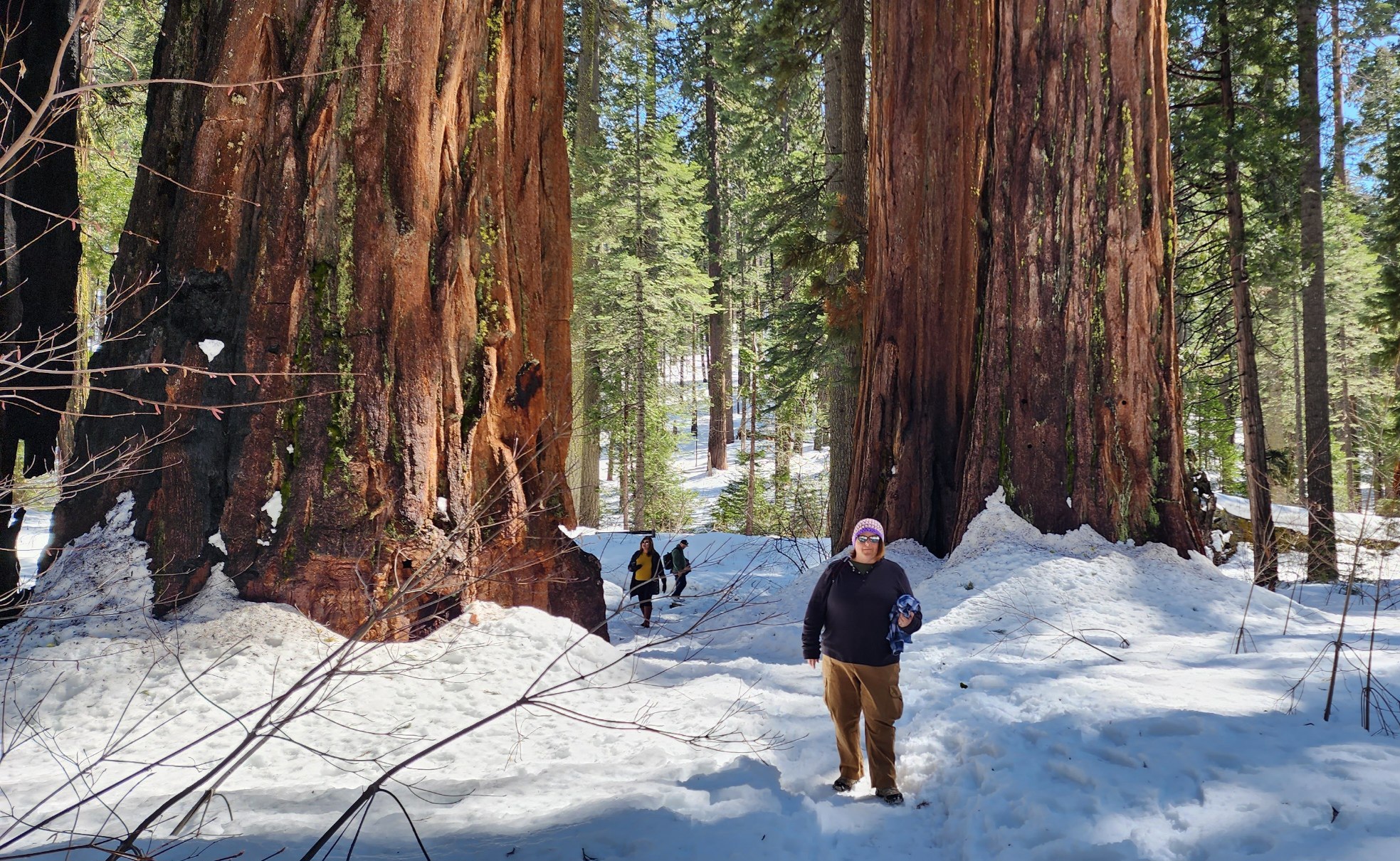
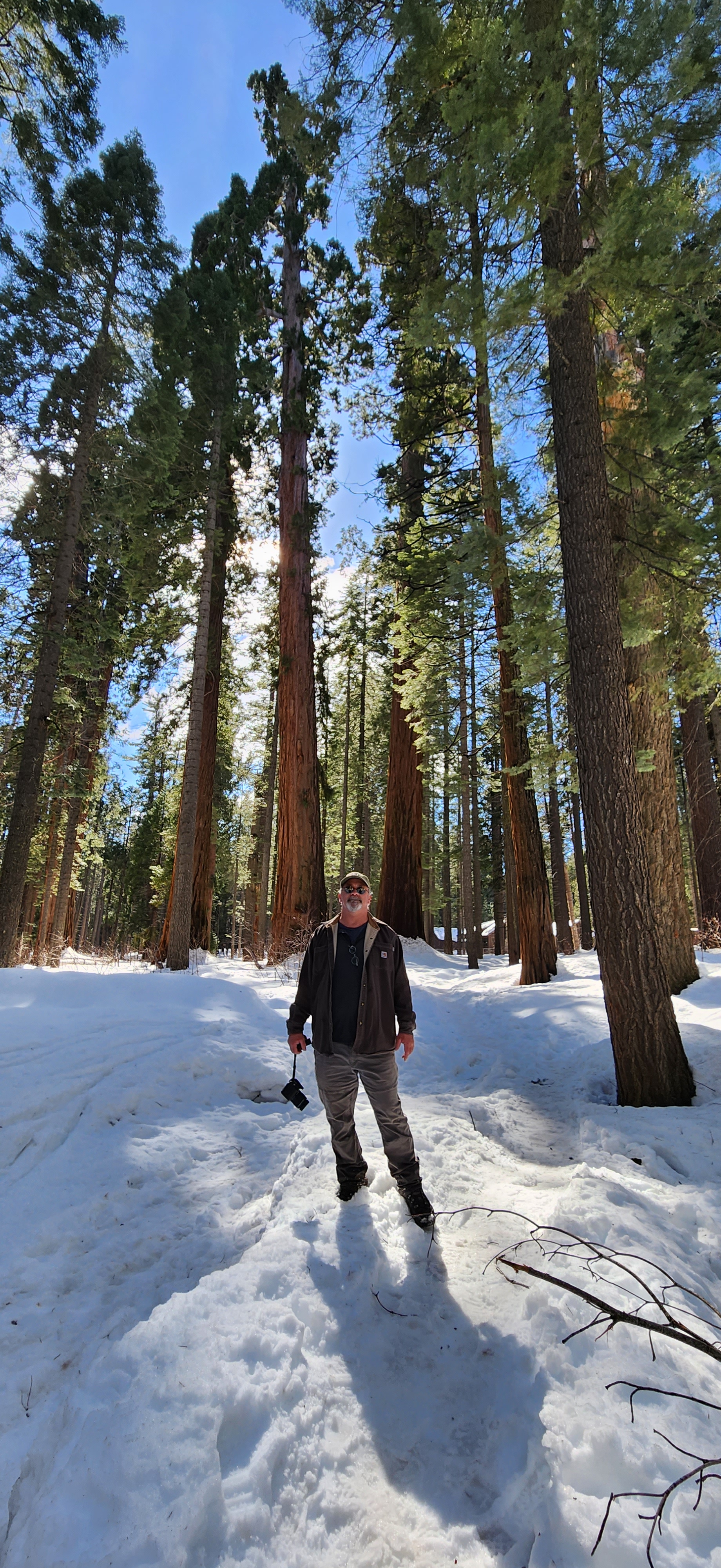
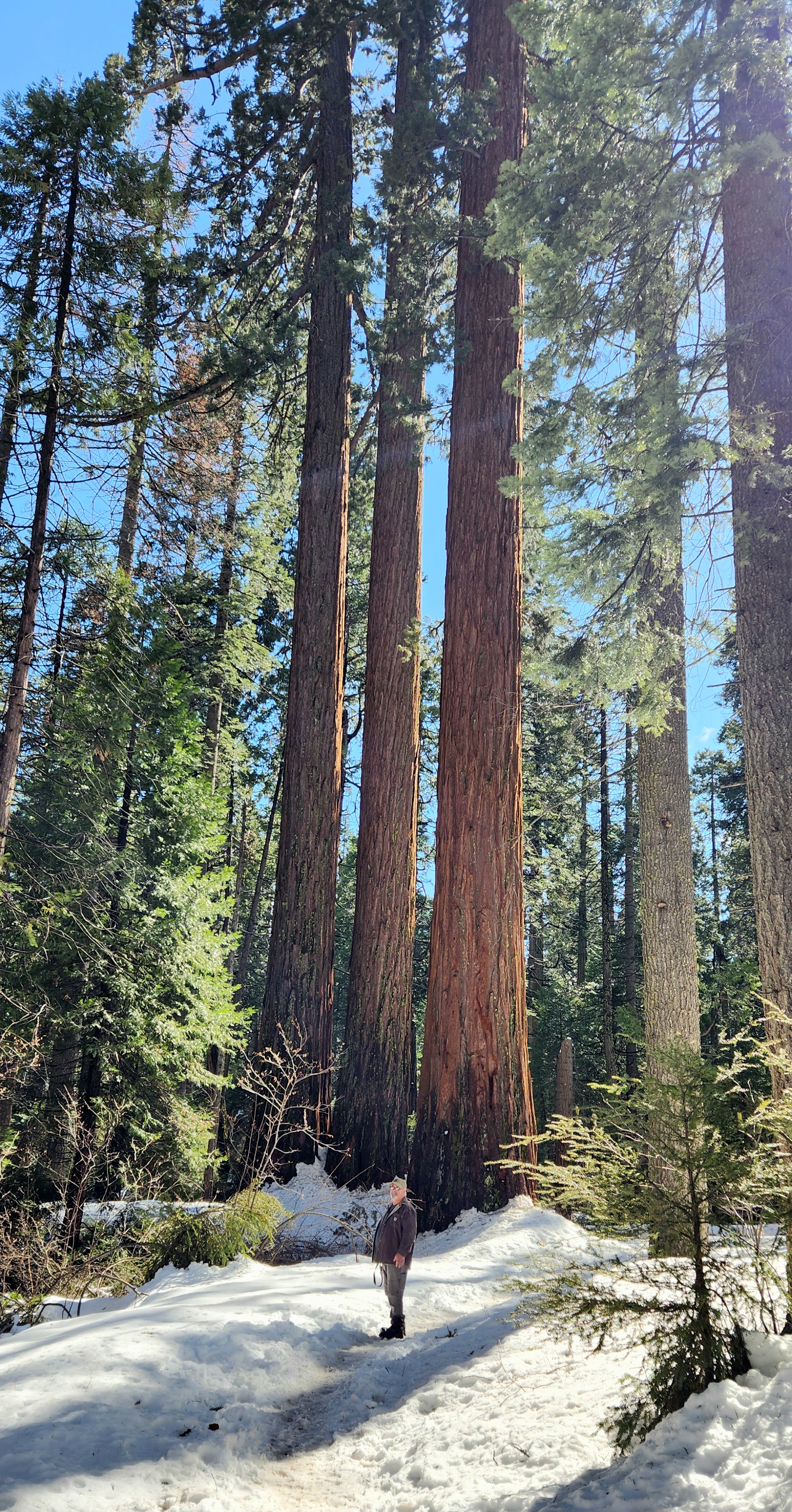
Aaron and I set out to see the majestic sequoia trees. The further north we drove, the snowier the ground around us became. I didn’t (and still don’t) have water proof hiking boots. But, the wet feet were worth it! Hiking with Aaron is always an adventure; this hike was no different. We ended up on a secondary trail which wound around, beside, and through snow melt streams. When I accidentally stepped off the trail, quite a few times, I would sink into snow over my knees. Aaron had to help me up and out more than a few times. We saw so many beautiful trees and so much snow. We cut our own path through the snow and made it back to the main trail. Poor Aaron had to listen to me bitch and fuss when the snow got deep and my feet were wet and cold, but that was expected. I am grateful he is there to push me past what I think I can do, even if I moan and complain the entire time.
After we got back from our hike, we looked at where we wanted to go next. The Russian River further north in California seemed like a beautiful place to explore, so we made reservations and got ready to go. The next day, a phone call from work had us changing our plans…we needed to head to Oregon instead. So, we loaded up and headed north towards Boardman, OR.
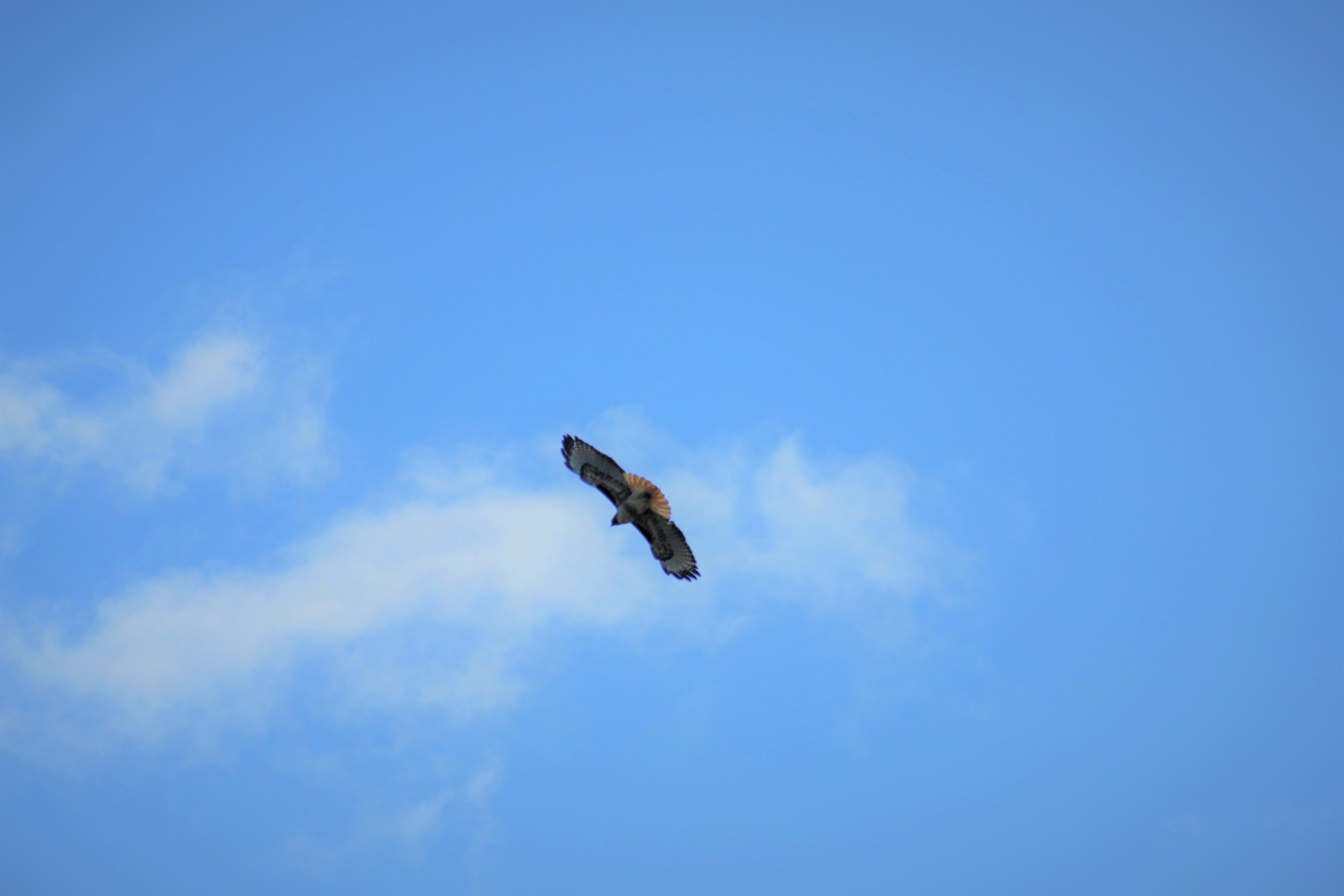
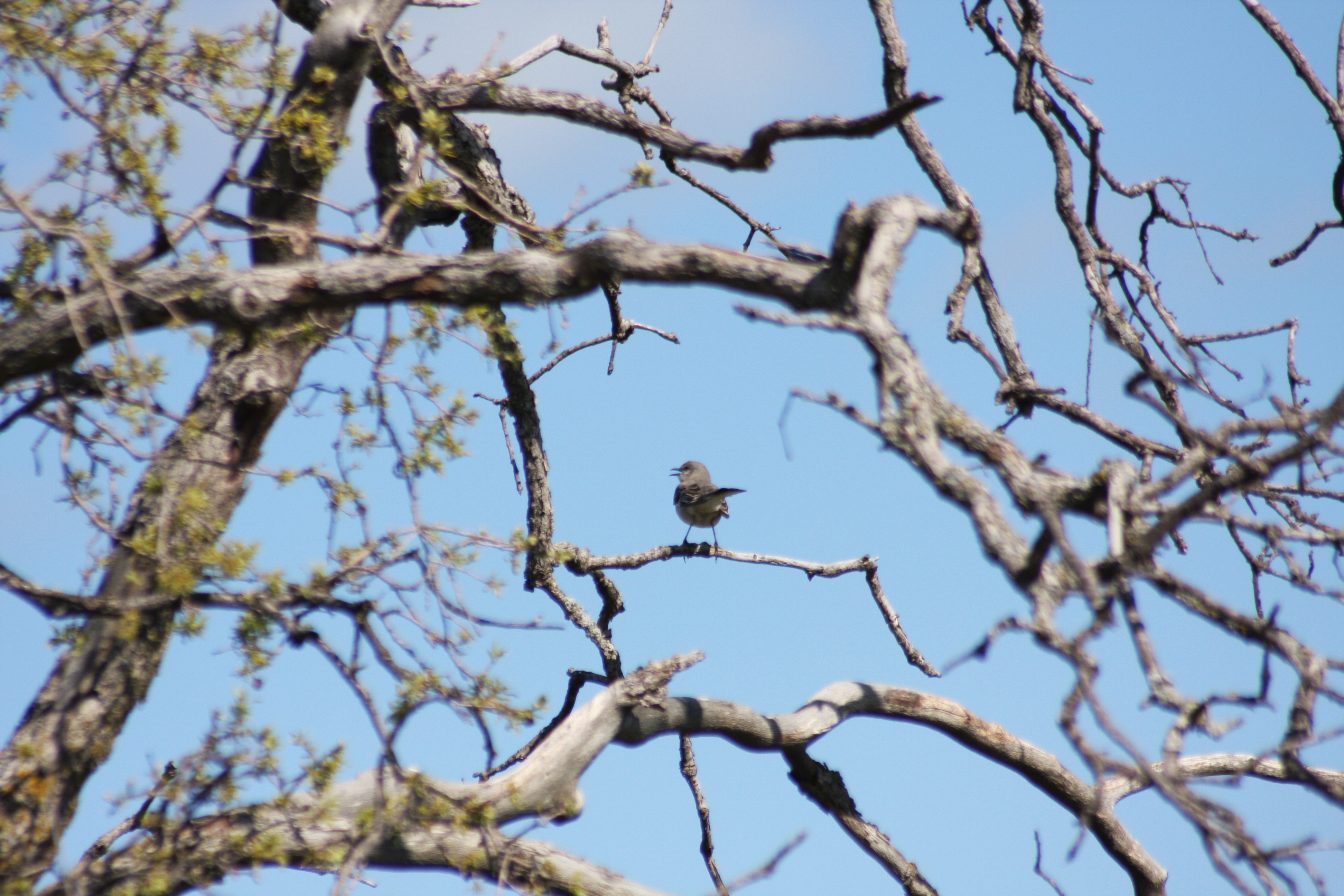
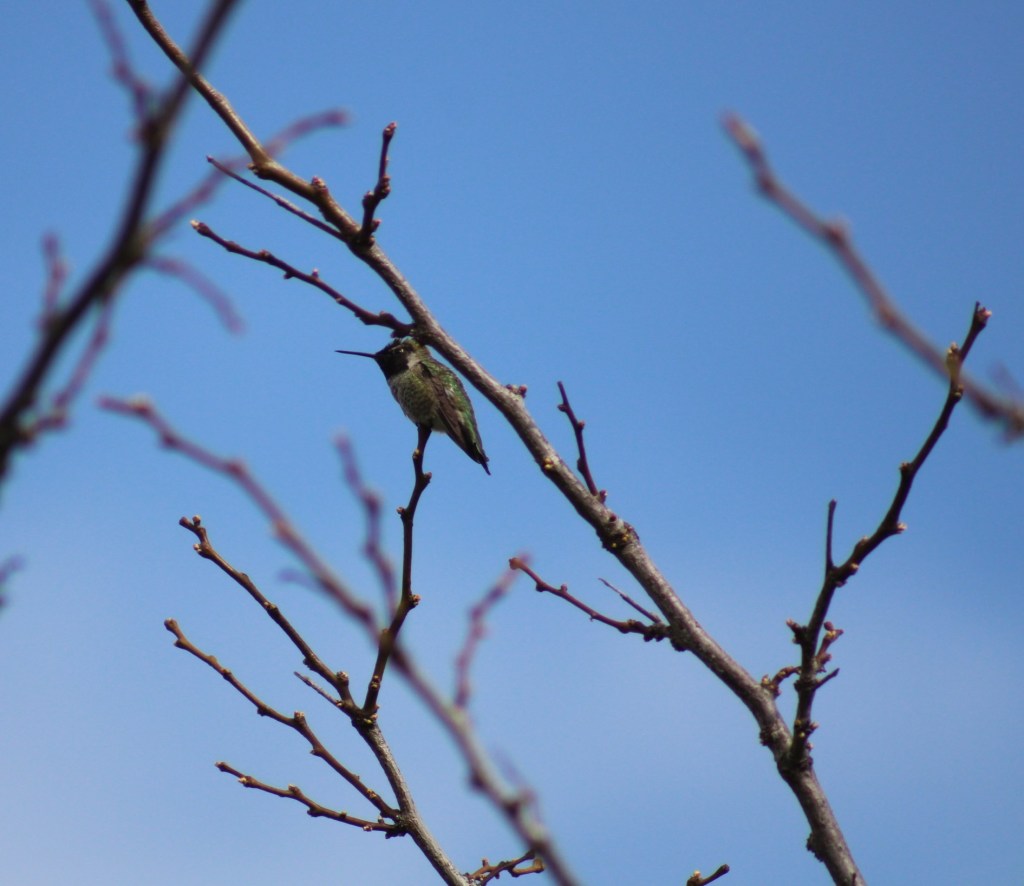
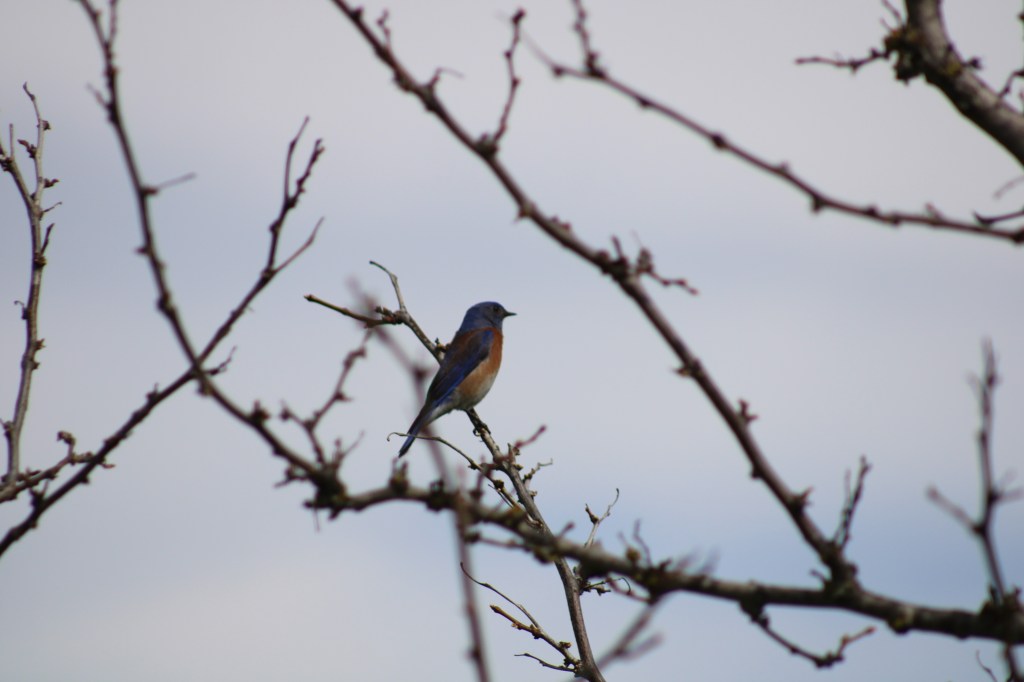
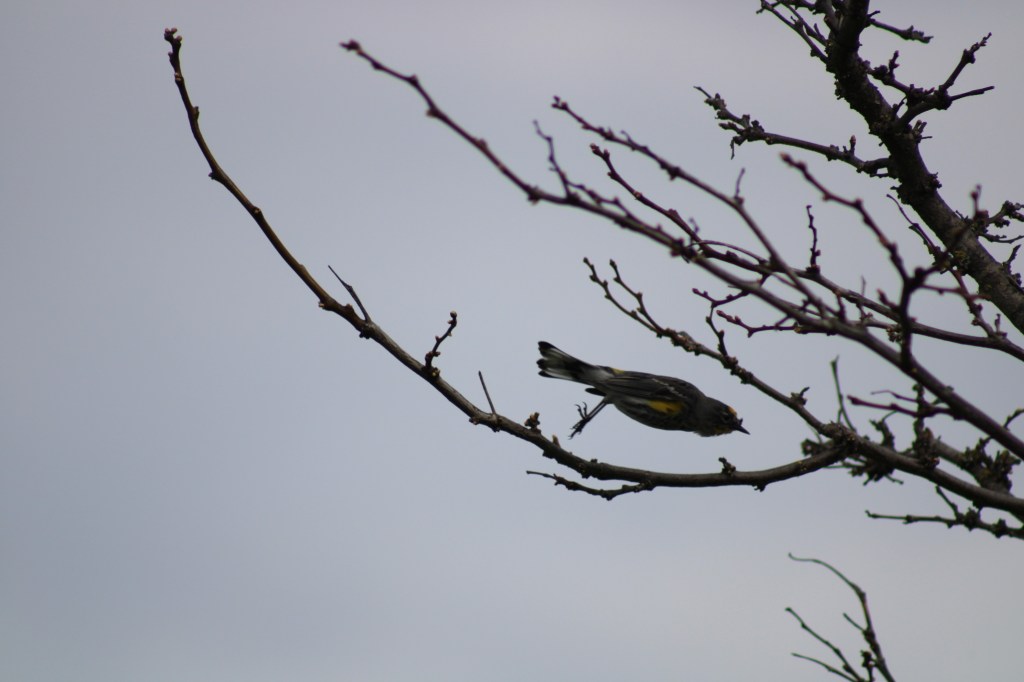
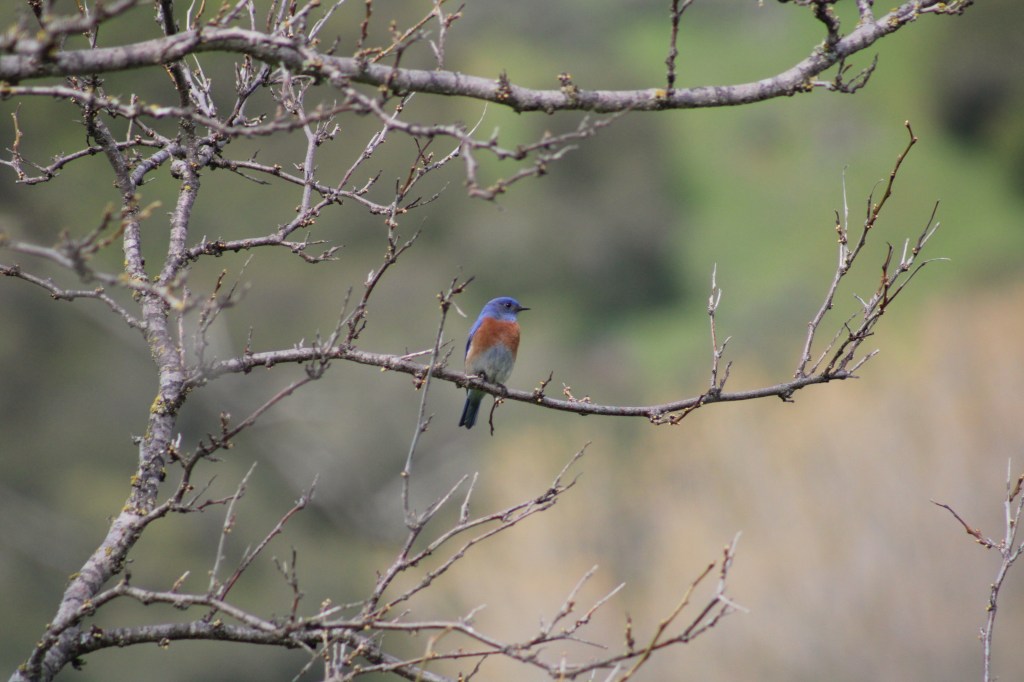
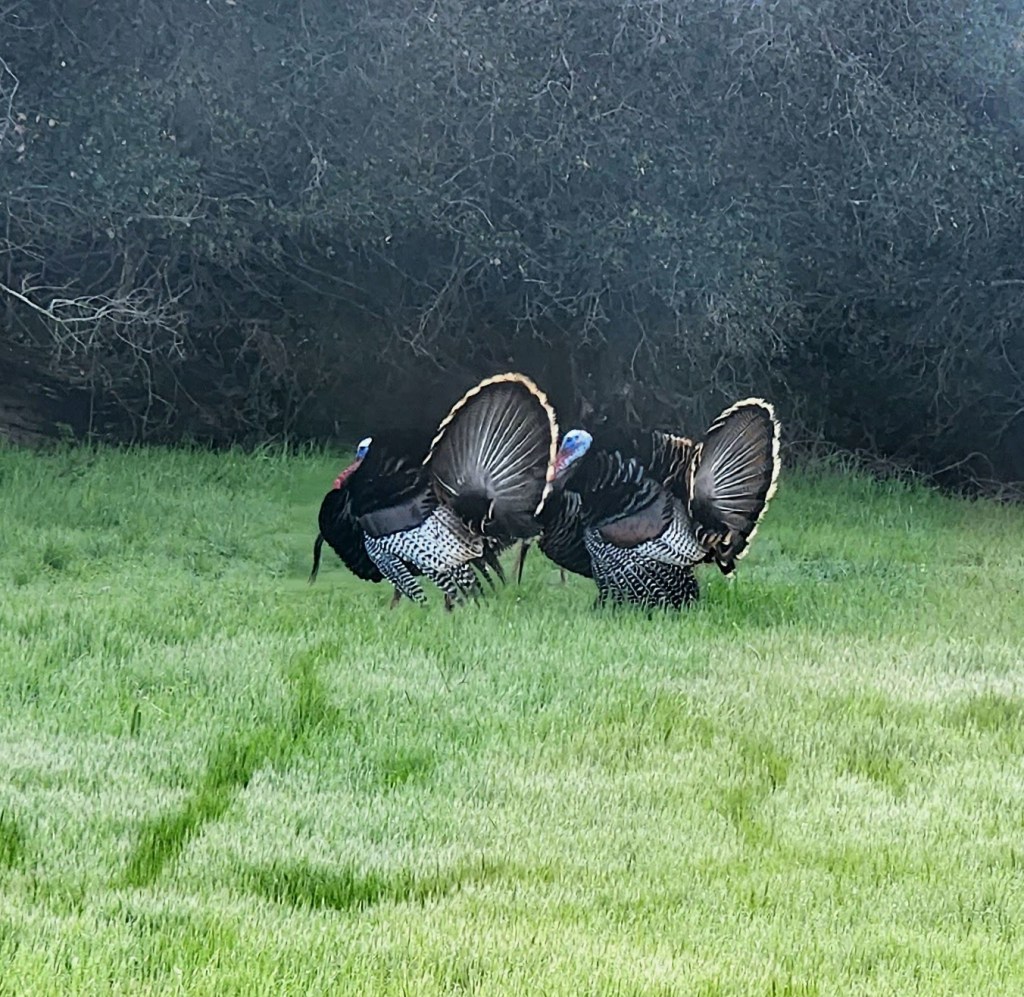
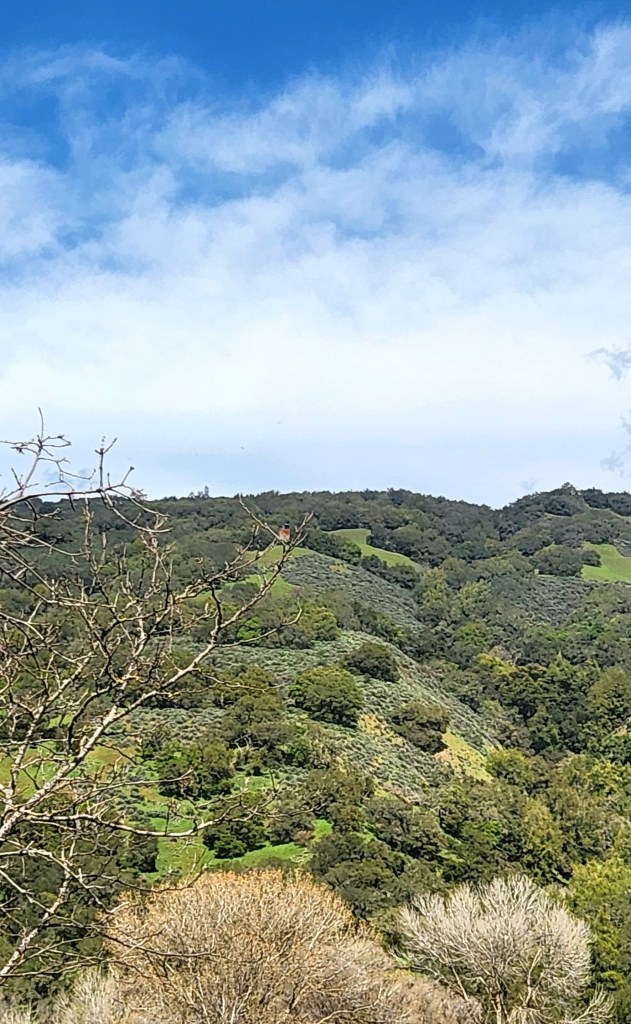
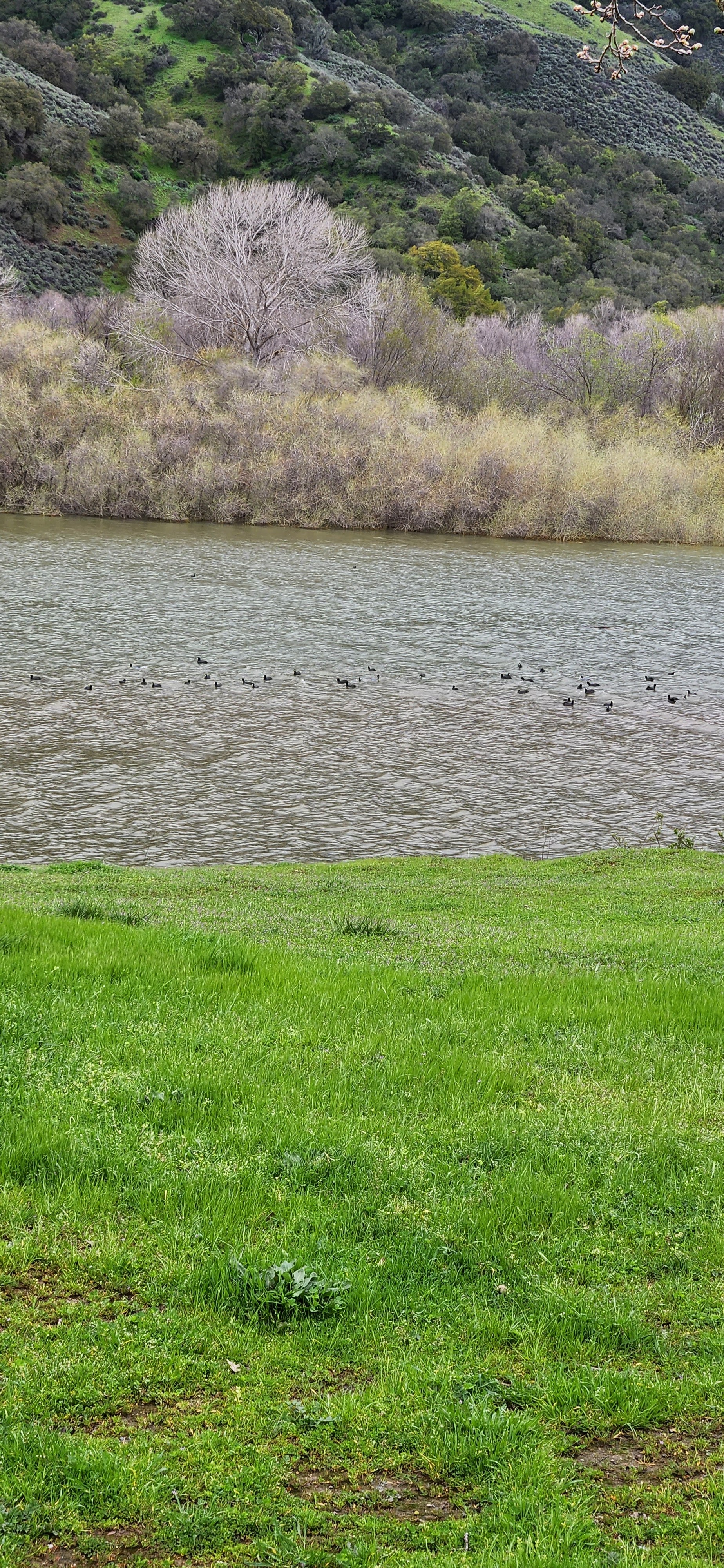
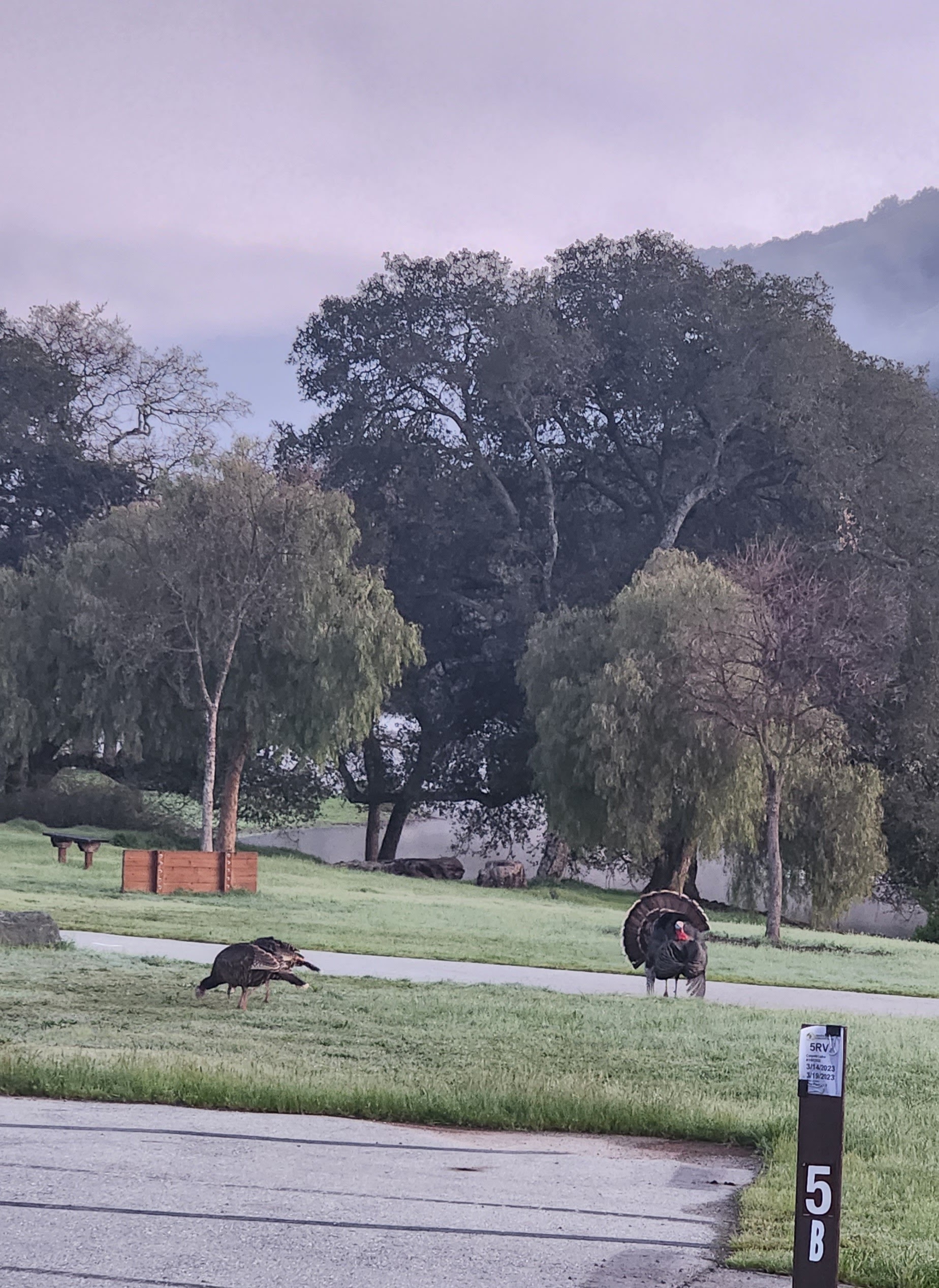
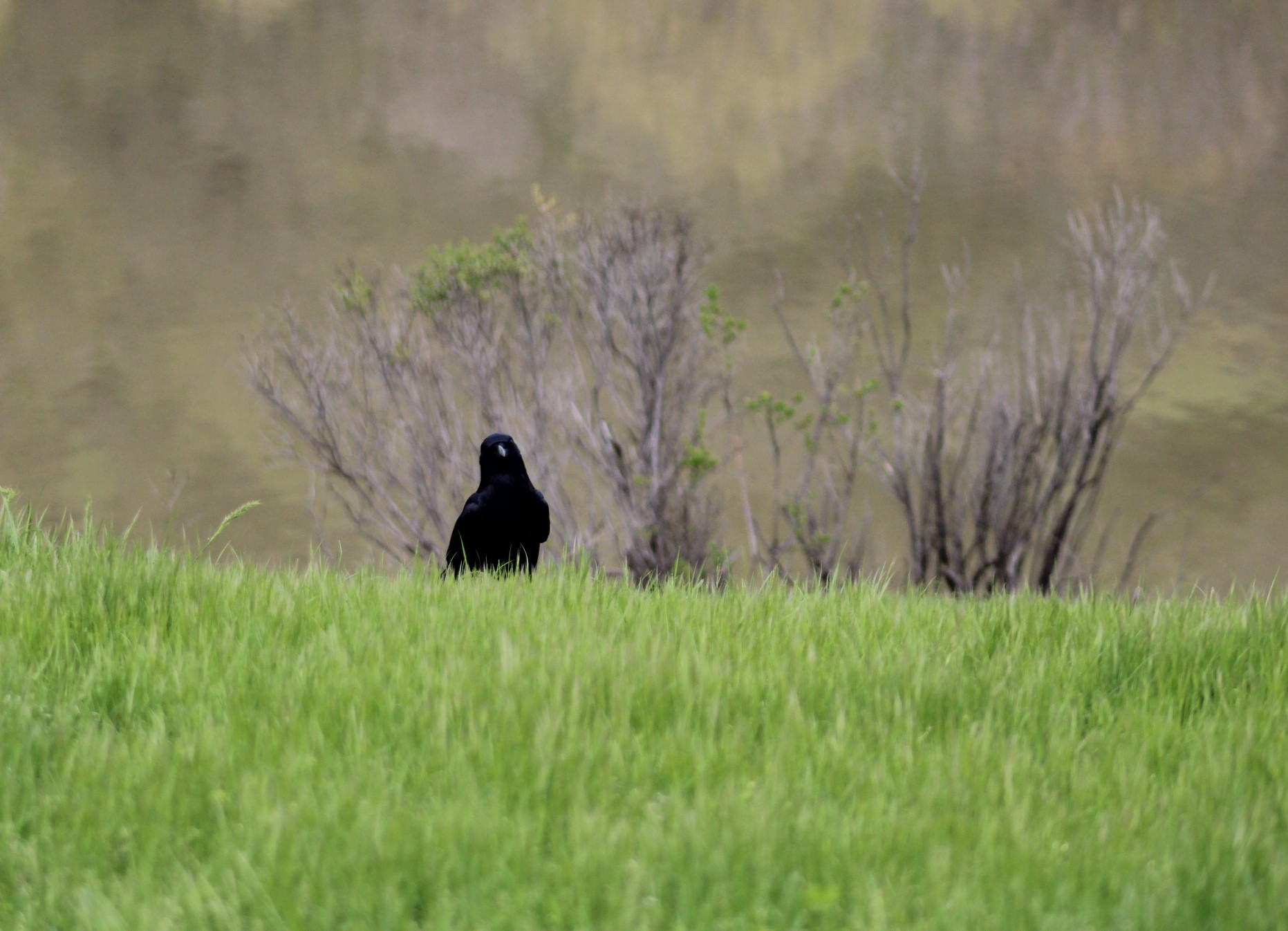
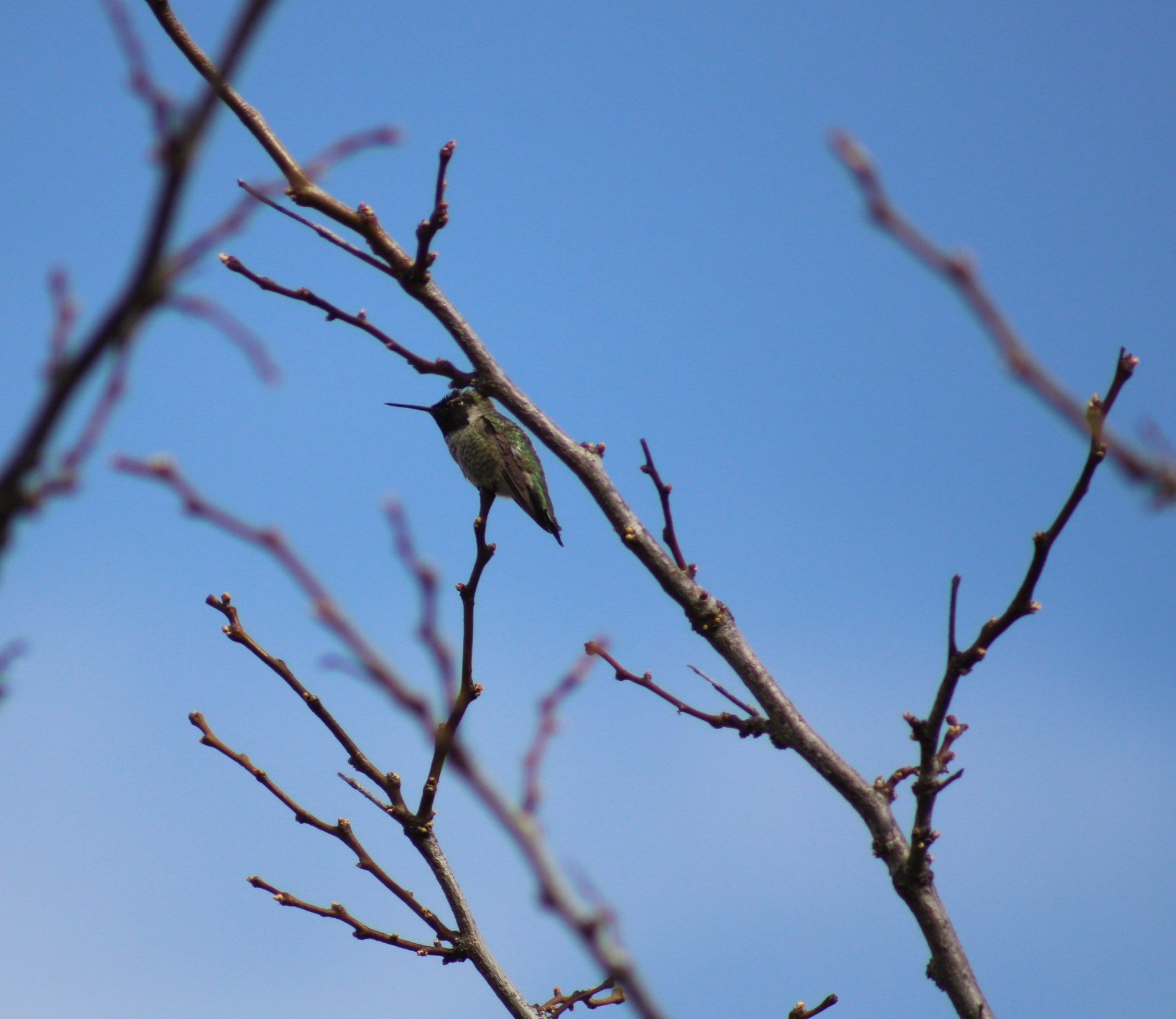
As we settled into our home for the week, we started to get familiar with the local wildlife. The first day or two, there weren’t very many people about, and we saw a couple of deer. I wasn’t fast enough to get a picture of them, though. As the campground gained more people, the deer stopped coming around. But the wild turkeys visited us just about every morning. And there were lots and lots of birds. So I took numerous pictures of birds. Across the water, there were beautiful hills with cattle grazing. It really was a peaceful and relaxing setting.
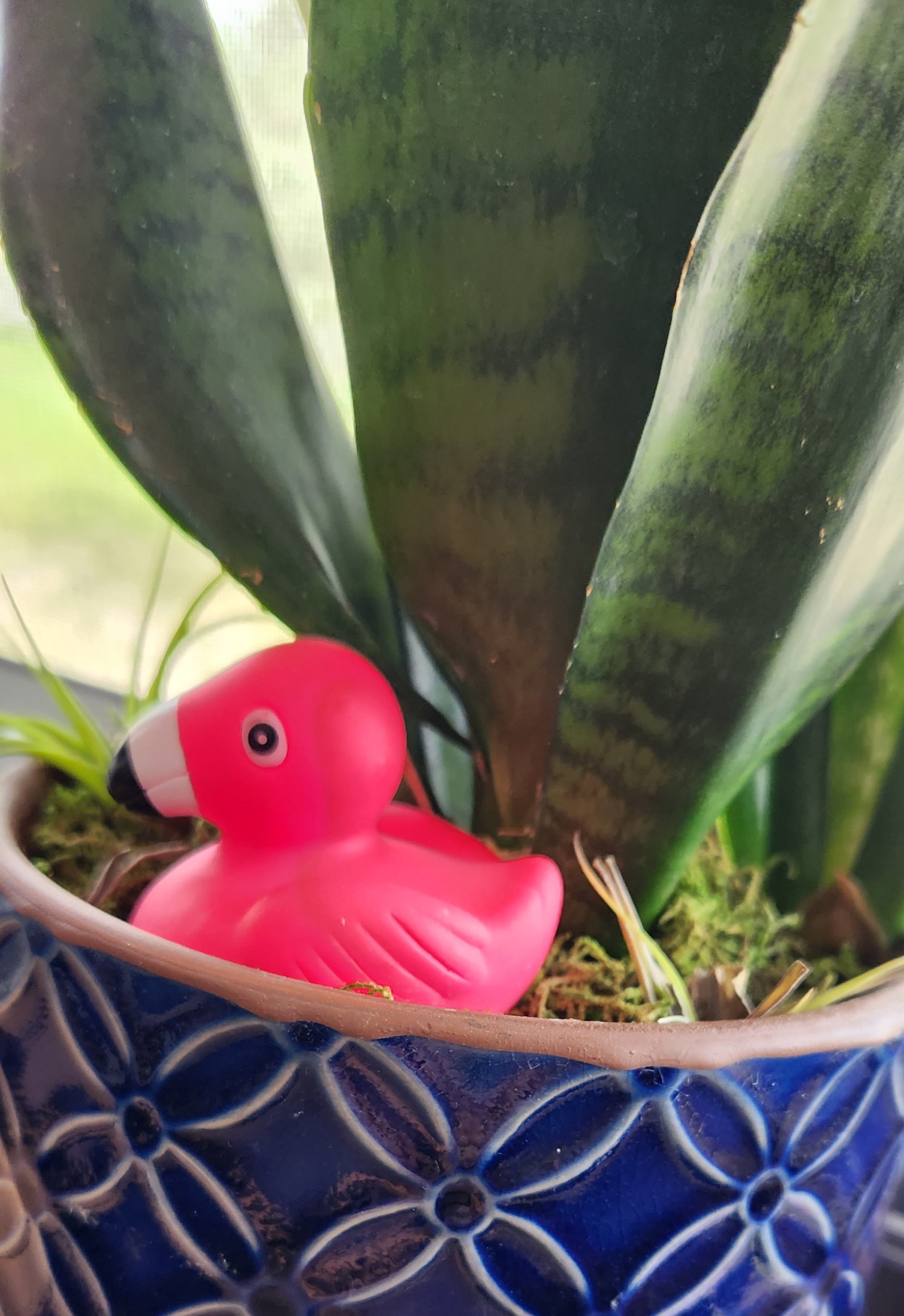
People who have Airstreams are like people who own Jeeps. They kind of have their own club. Jeep people “duck” each other. Which means if they like someone else’s Jeep they leave them a rubber duck. Airstreamers “flock” each other. They will leave each other a flamingo of some sort to say “Hi, I like your camper.” We were given our first flamingo while we were here. I was quite excited! It lights up! Aaron, not as much, but he is warming up to it 😉.
We really enjoyed our stay here for the week. Aaron was done with his work in Fremont and we decided to move on.
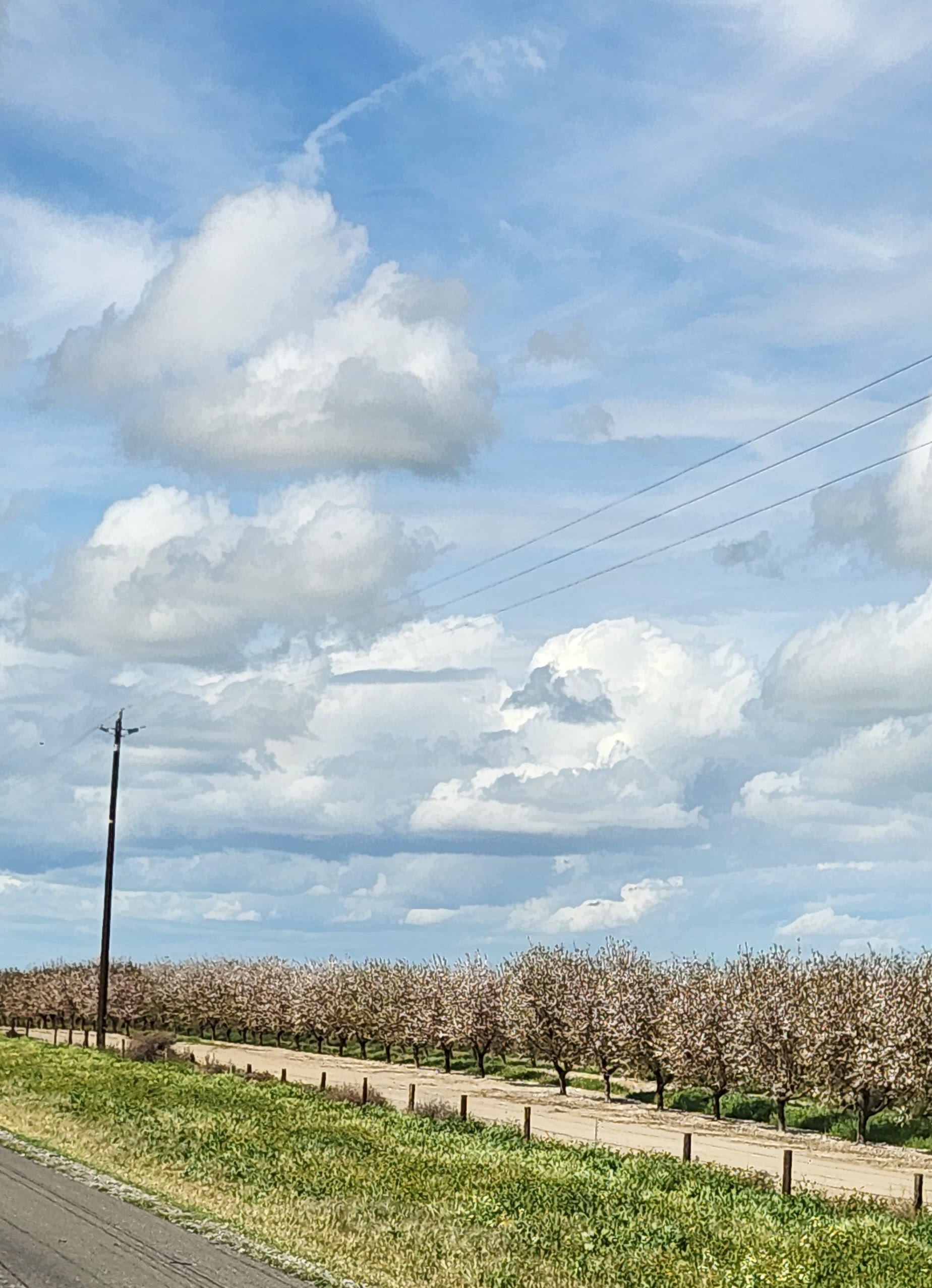
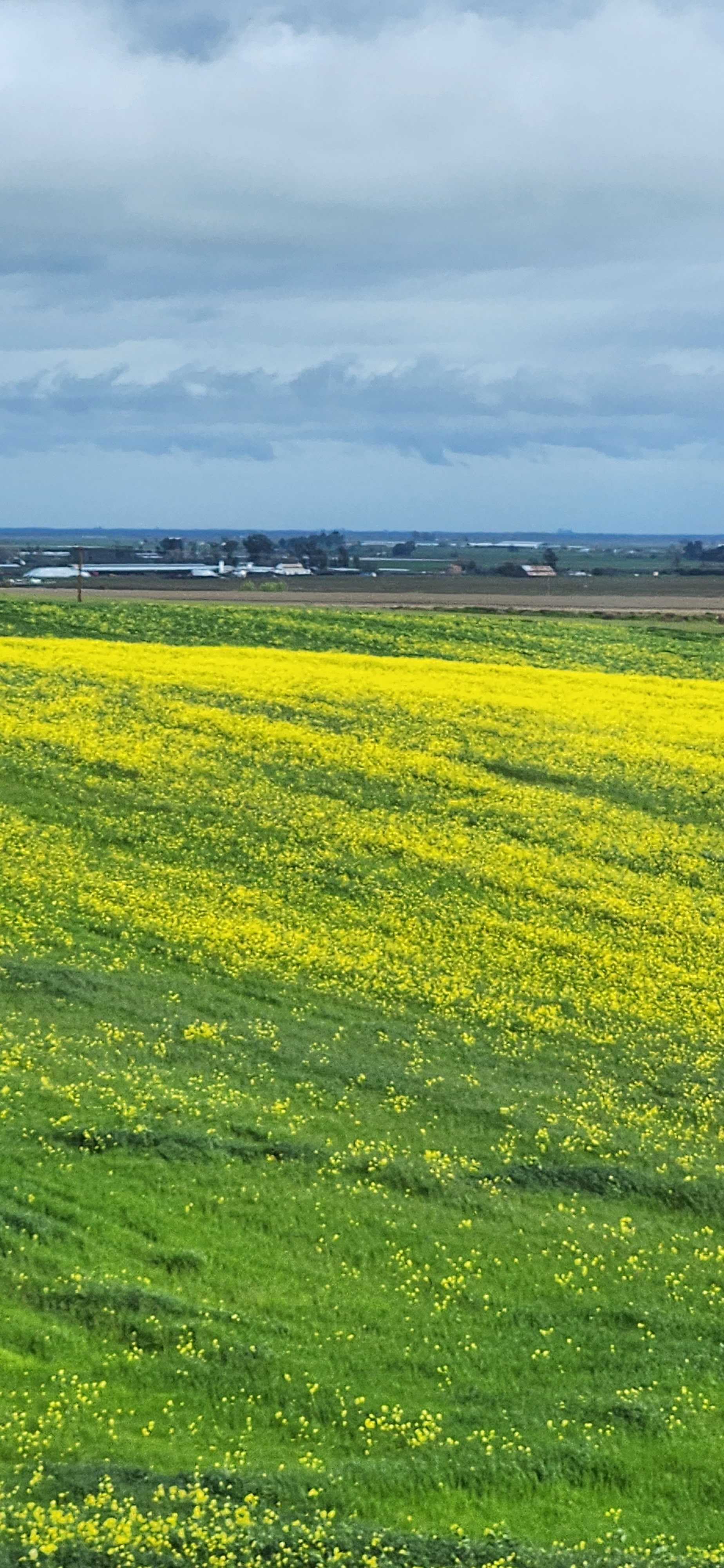
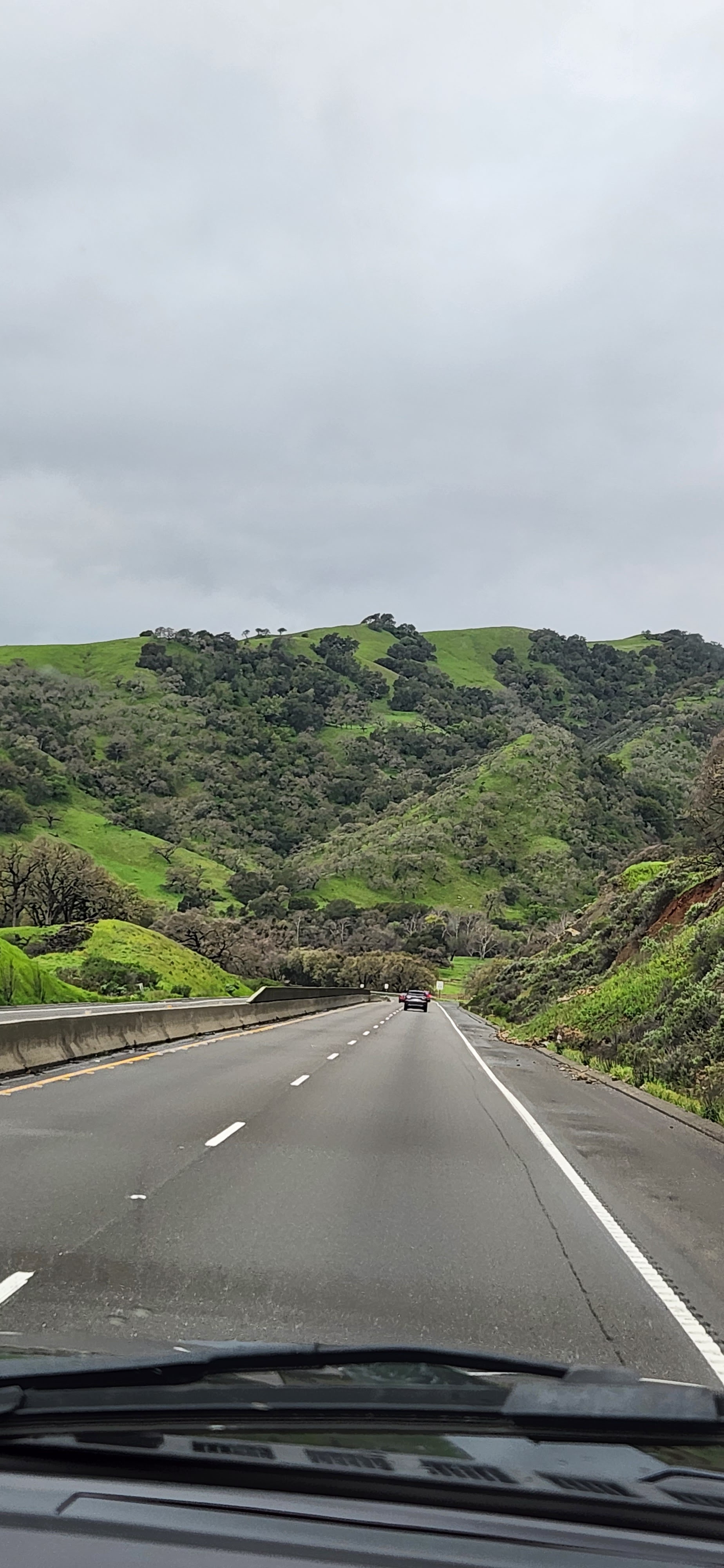
The drive to Freemont was beautiful. The crazy winter in California was melting, the hills and mountains were turning green, the wild flowers and almond trees were in bloom and I was soaking it all in. There were beautiful green rolling hills that Aaron said were normally barron and brown. I am so glad I was able to see them covered in green. We could see that the lakes, rivers, and reservoirs were filling more than they had in years. It was fantastic to witness.
We made it to Freemont, home to Tesla, part of Silicon Valley and the location of Aaron’s company’s west coast home office. We stayed at Coyote Lake just outside of Freemont. Poor Aaron had to commute to work…he hasn’t had to do that very often in a very long time. We were close to San Francisco, the Golden Gate Bridge and lots of beautiful scenery. We parked our home and settled in.
Aaron and I hadn’t done laundry since Louisiana so, it was time. The next morning we grabbed our laundry bags, I dropped Aaron off at the office and headed to the laundromat. It felt good to be driving without the house behind me. The advantage of using a laundromat is that what would have taken all day at a house only took an hour. Multiple washers and dryers make things go a lot faster. After that lovely hour I had the rest of the day to explore.
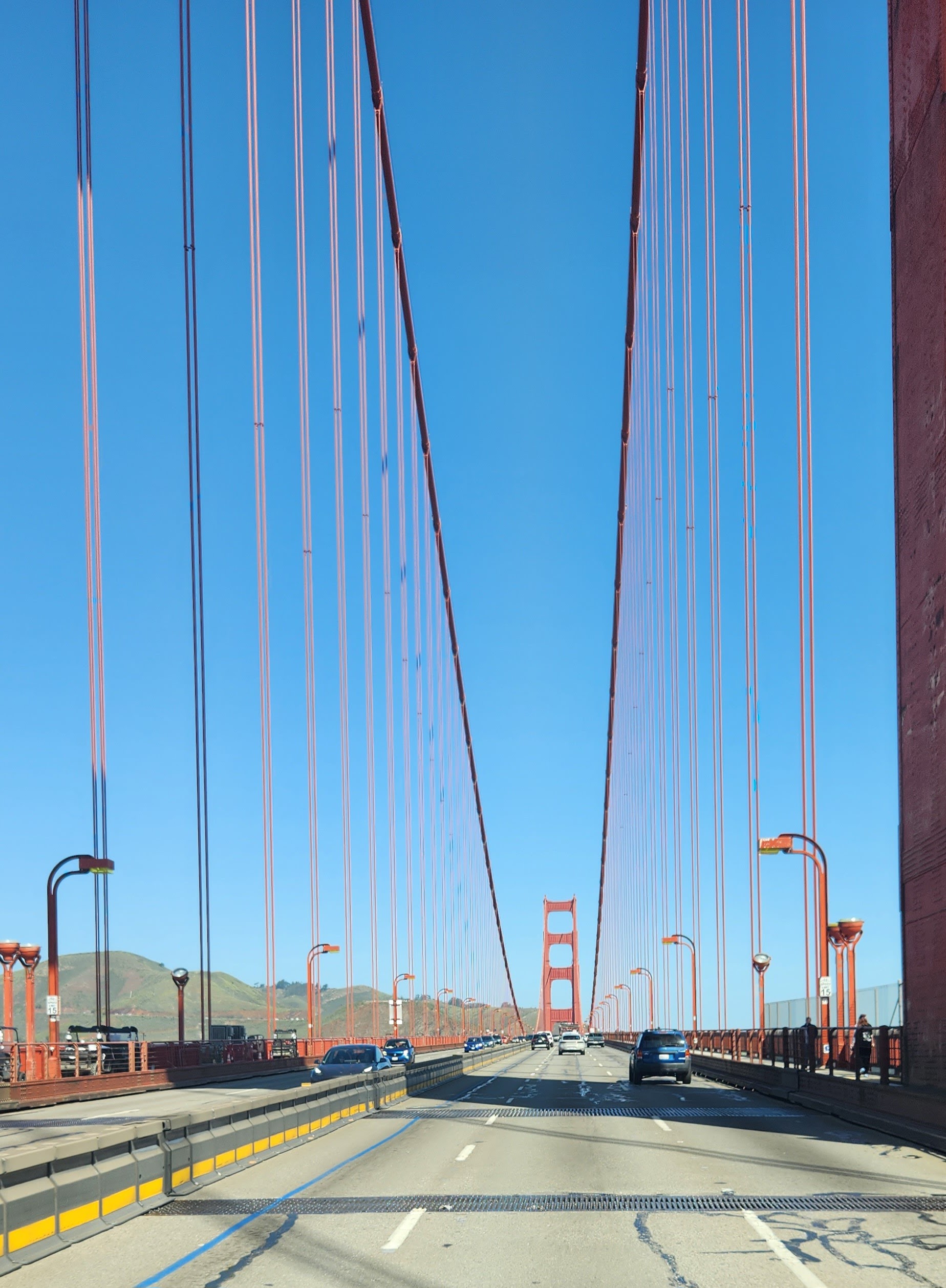
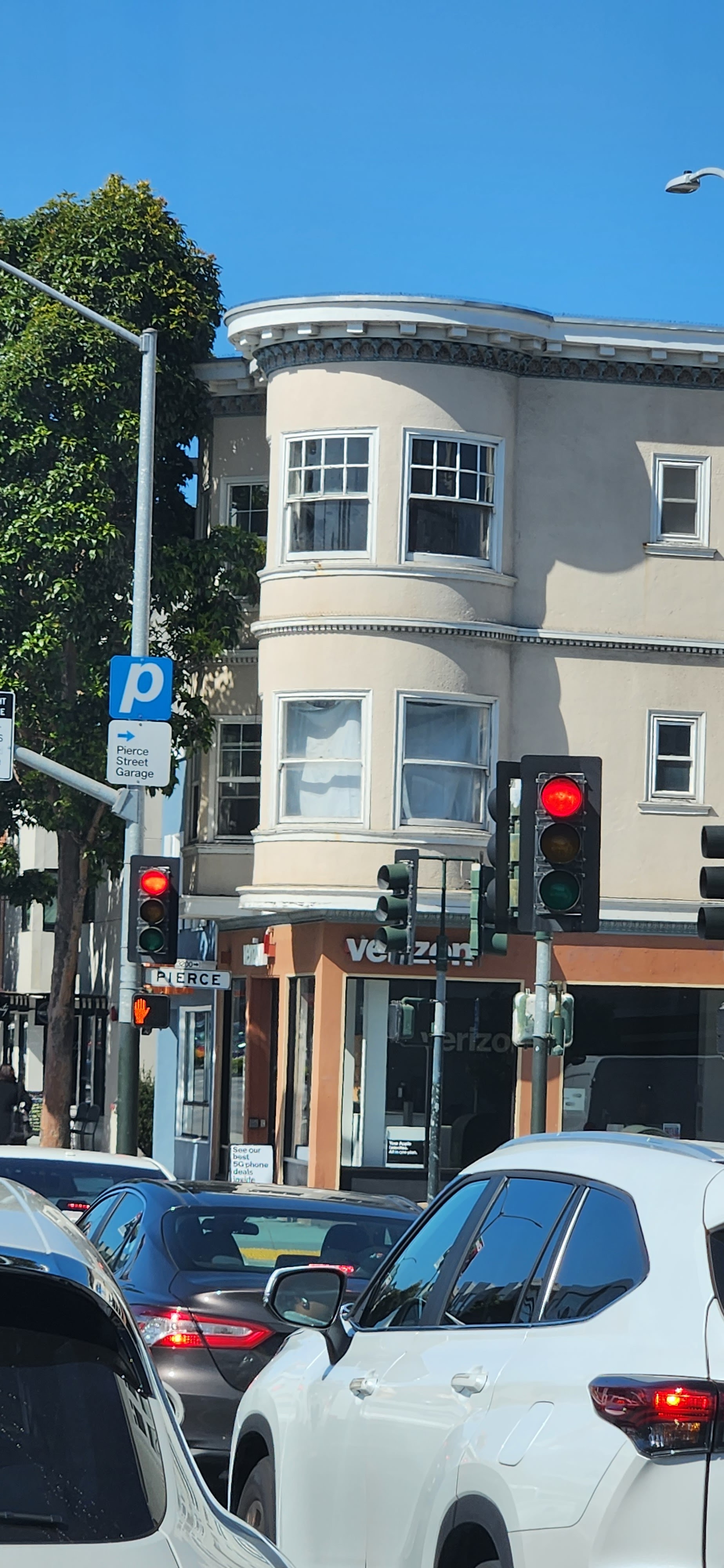
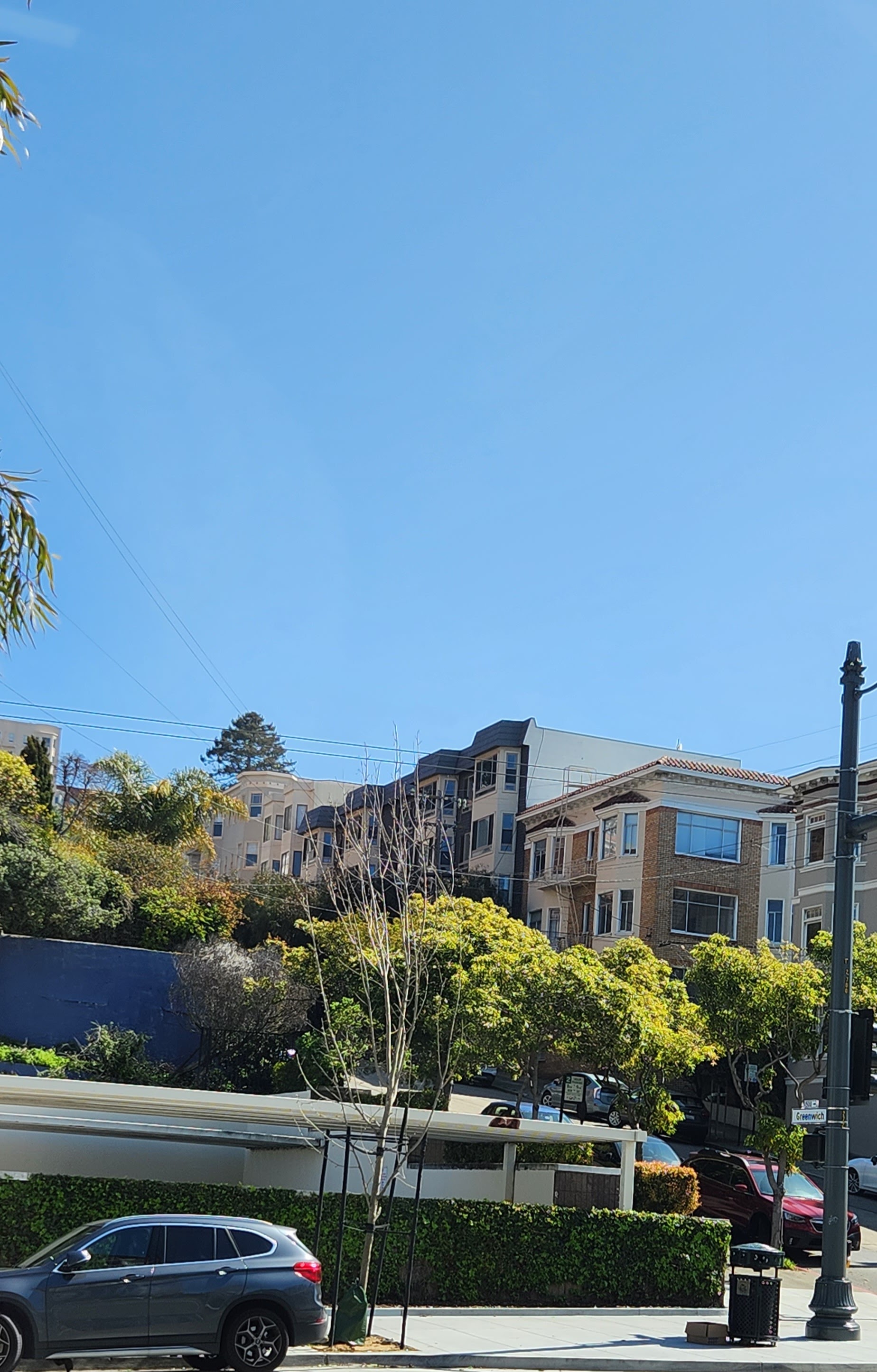
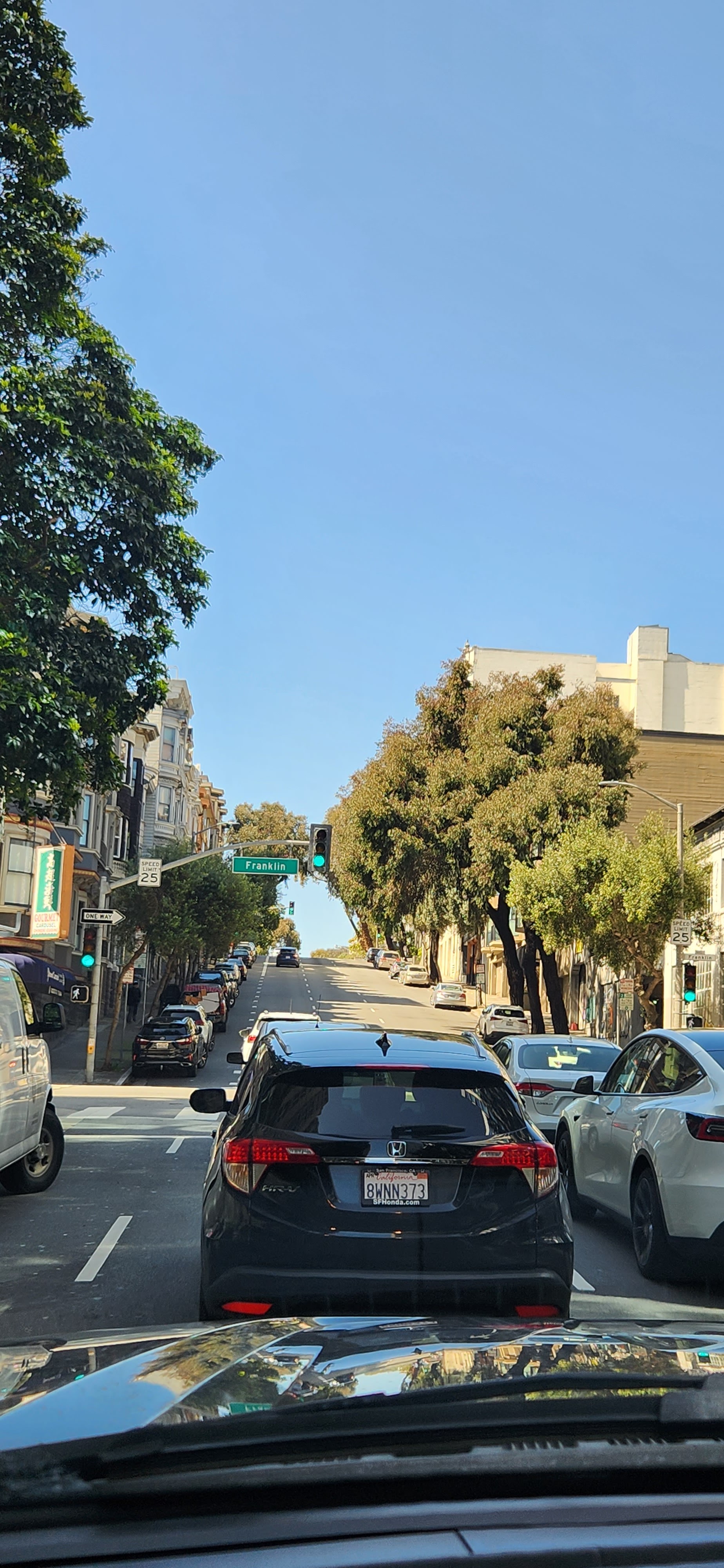
My goal was to drive over the Golden Gate Bridge. My route took me right through downtown San Francisco, which was challenging in the F-250, but I did it like a champ. The city is beautiful, artistic, and full of money and homelessness. I drove the Golden Gate and once across the bridge I decided to check out the town of Sausalito. I thought driving the truck in San Francisco was challenging. It was nothing compared Sausalito. It was a charming town with small, windy roads and an incredible view of the San Francisco Bay. I got myself into a few tight spots, but was able to get out of them with no harm to the truck (or so I thought). I made it back over the bridge and decided it was time for lunch.
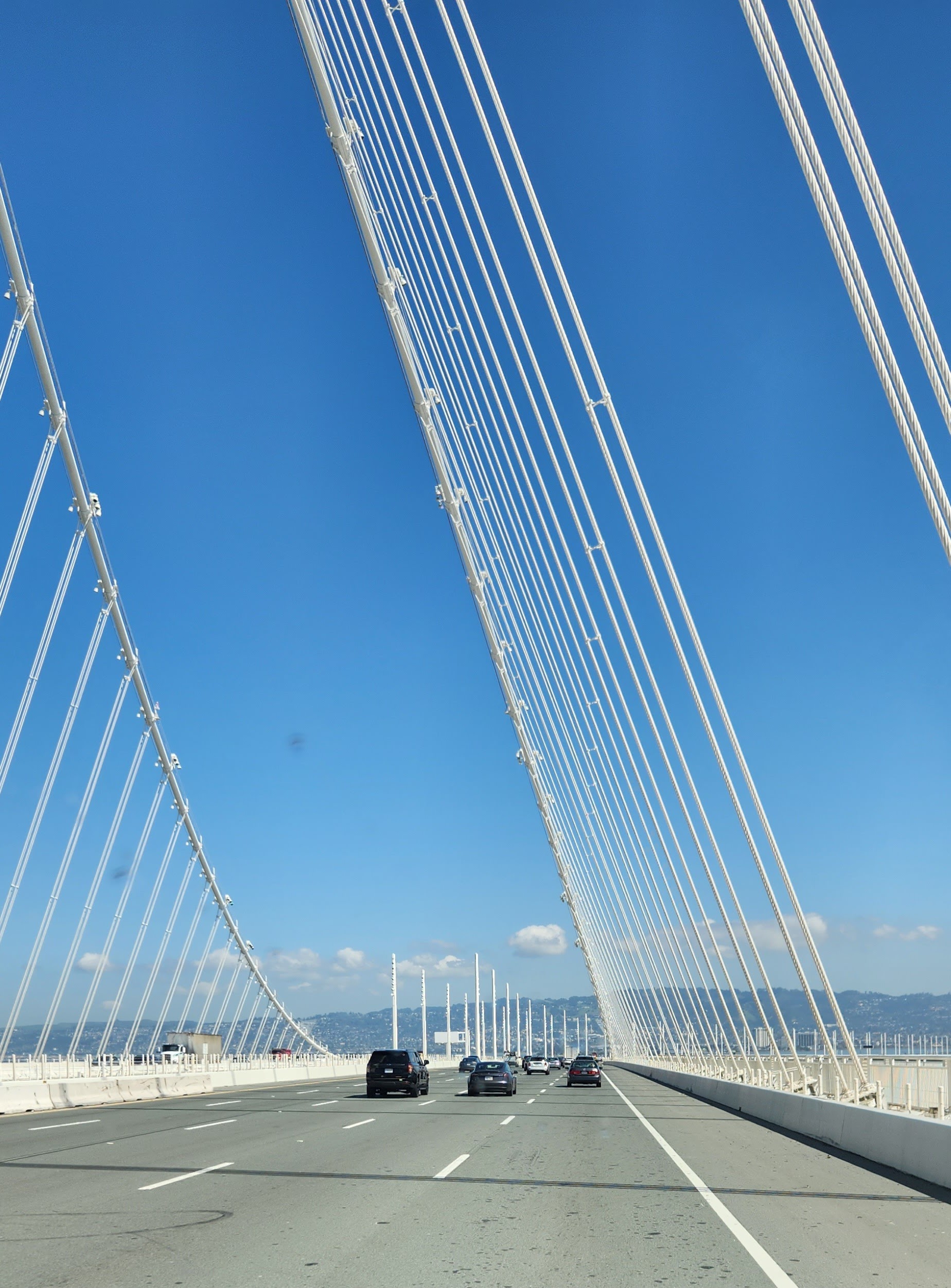
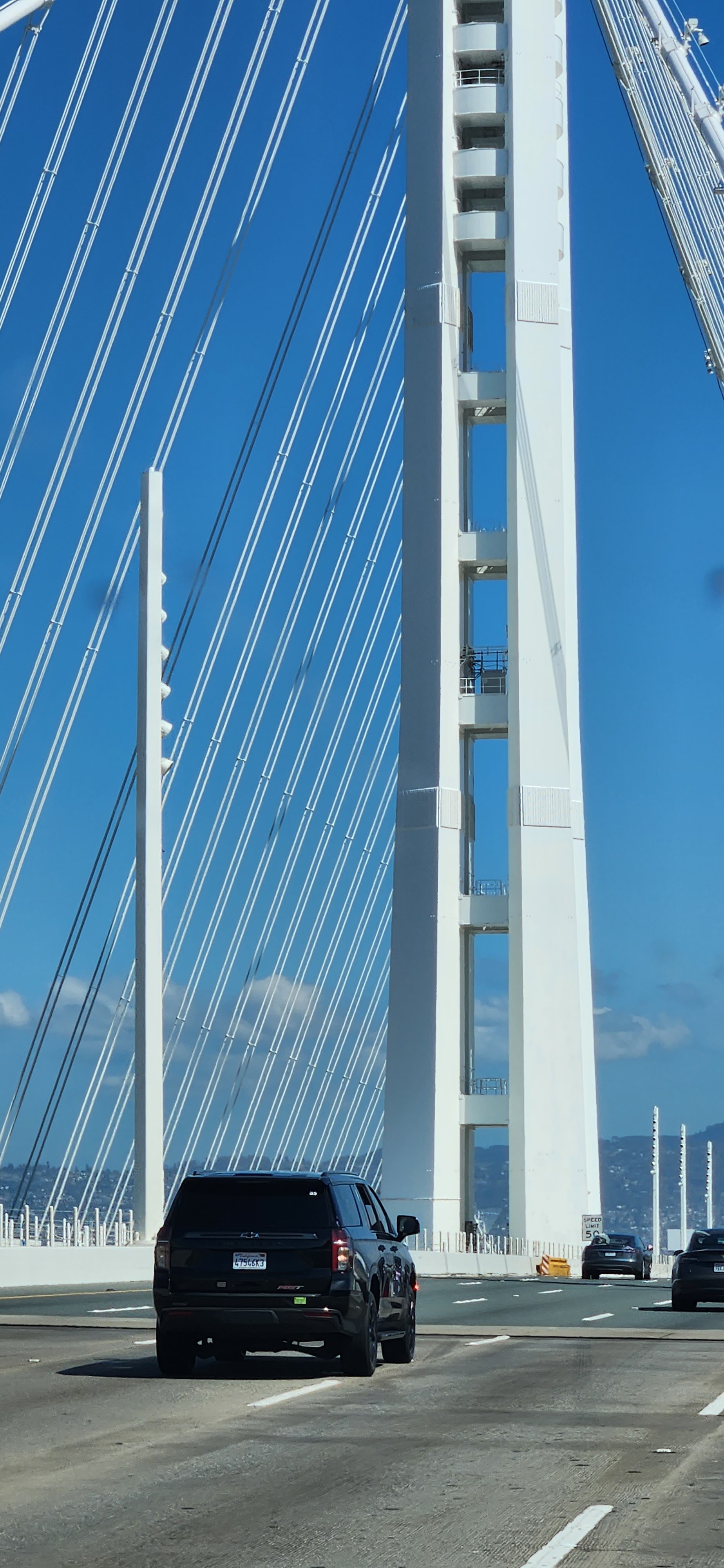
I went to my first In-N-Out. It was really good for fast food. Then I decided I wanted to drive the Bay Bridge. I crossed the bay again, drove through Oakland, and headed back to Freemont to pick Aaron up from work. On our way back to the house on wheels, we both heard a weird noise from the tires. We thought that maybe there was a rock stuck in one of them. Boy, were we wrong. During my day of driving all over, I picked up a really big bolt.
Luckily, Aaron was able to get the tire repaired and we didn’t have to buy a replacement. But, that was a reminder that things can and will happen. We were fortunate that the damage wasn’t much, there was no blowout, and we were safe.
We put away our laundry, fixed dinner, and settled in for the night. I had birds to watch, walks to take, and cameras to learn how to use. It felt good to know we were going to be here for a little while.
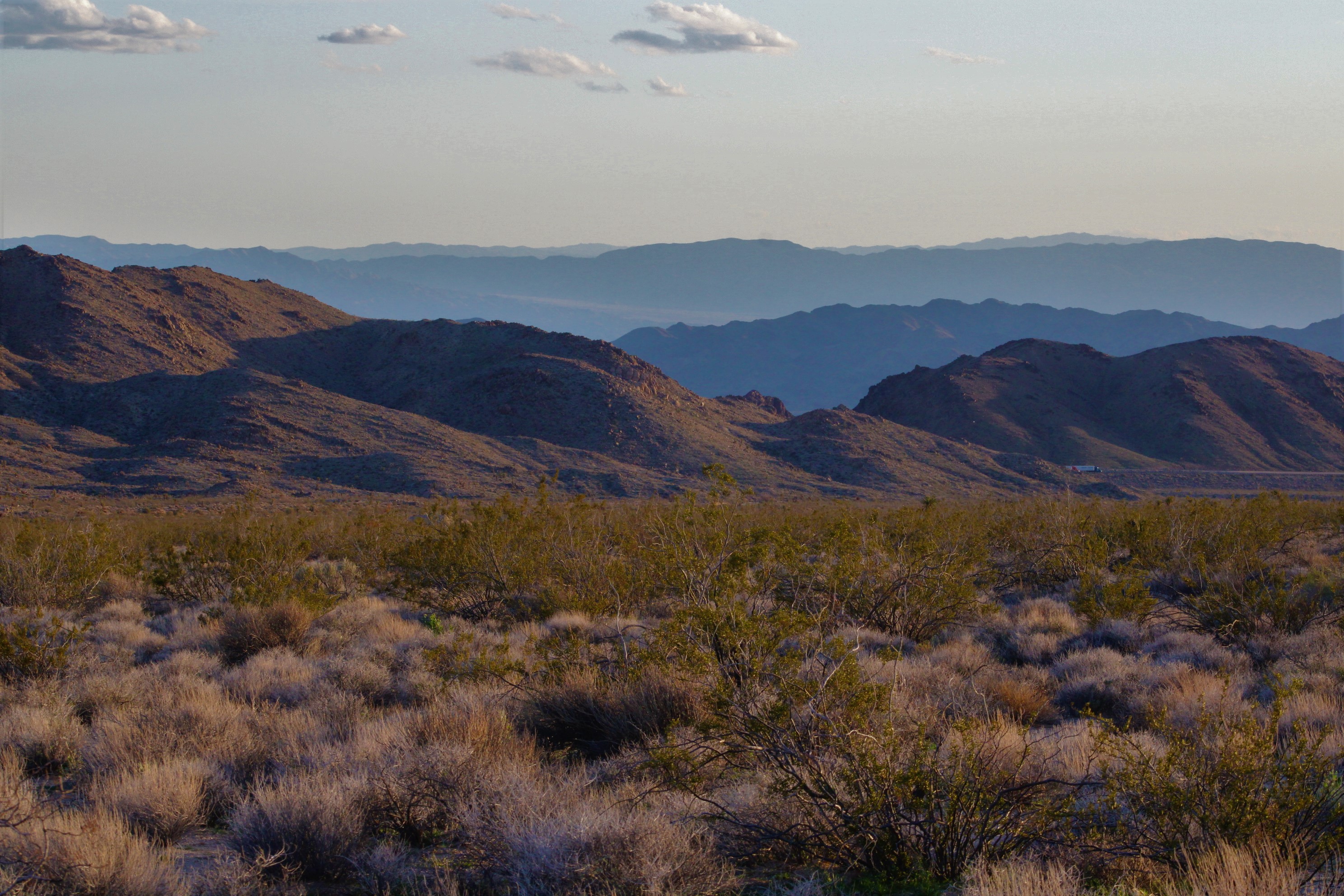
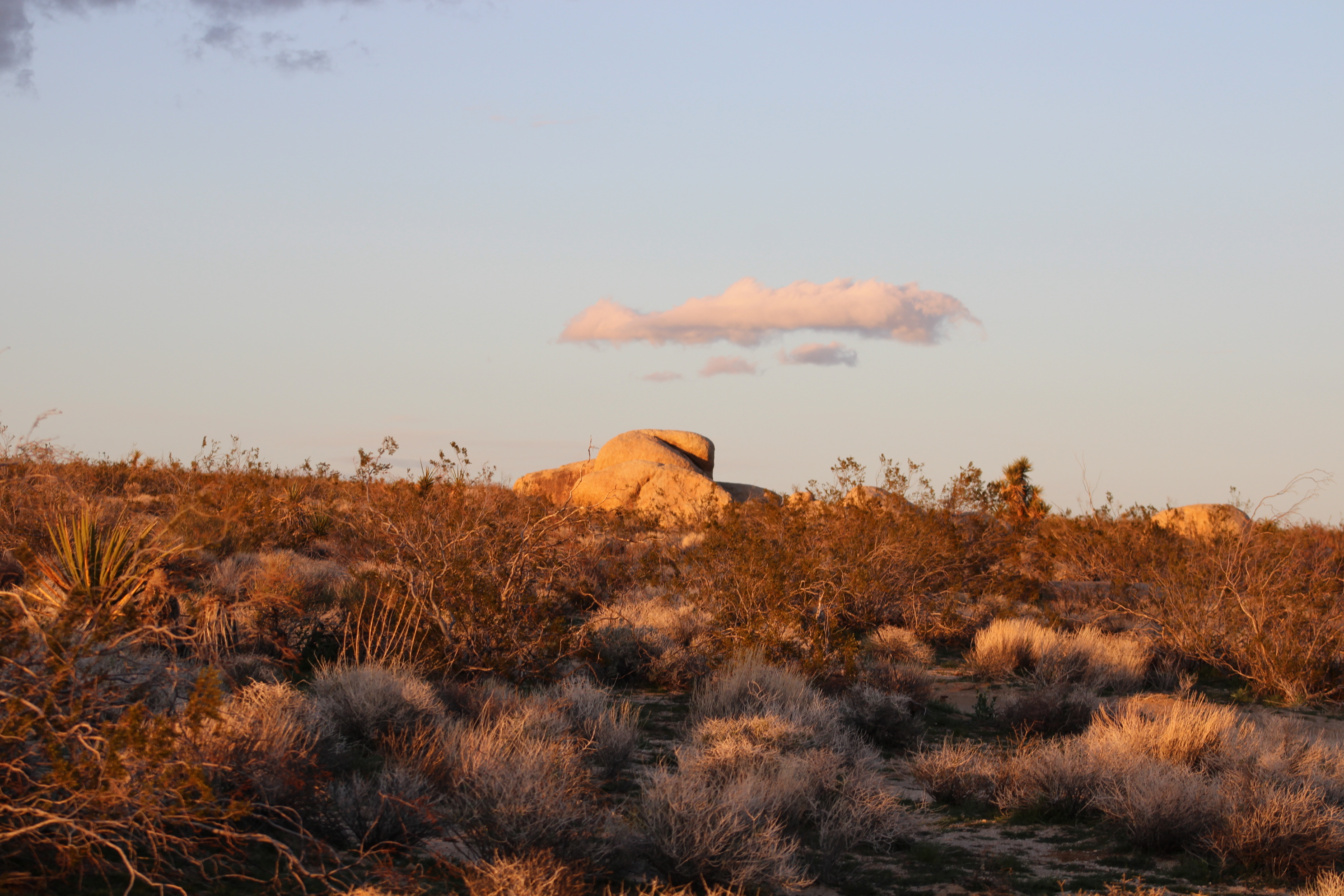
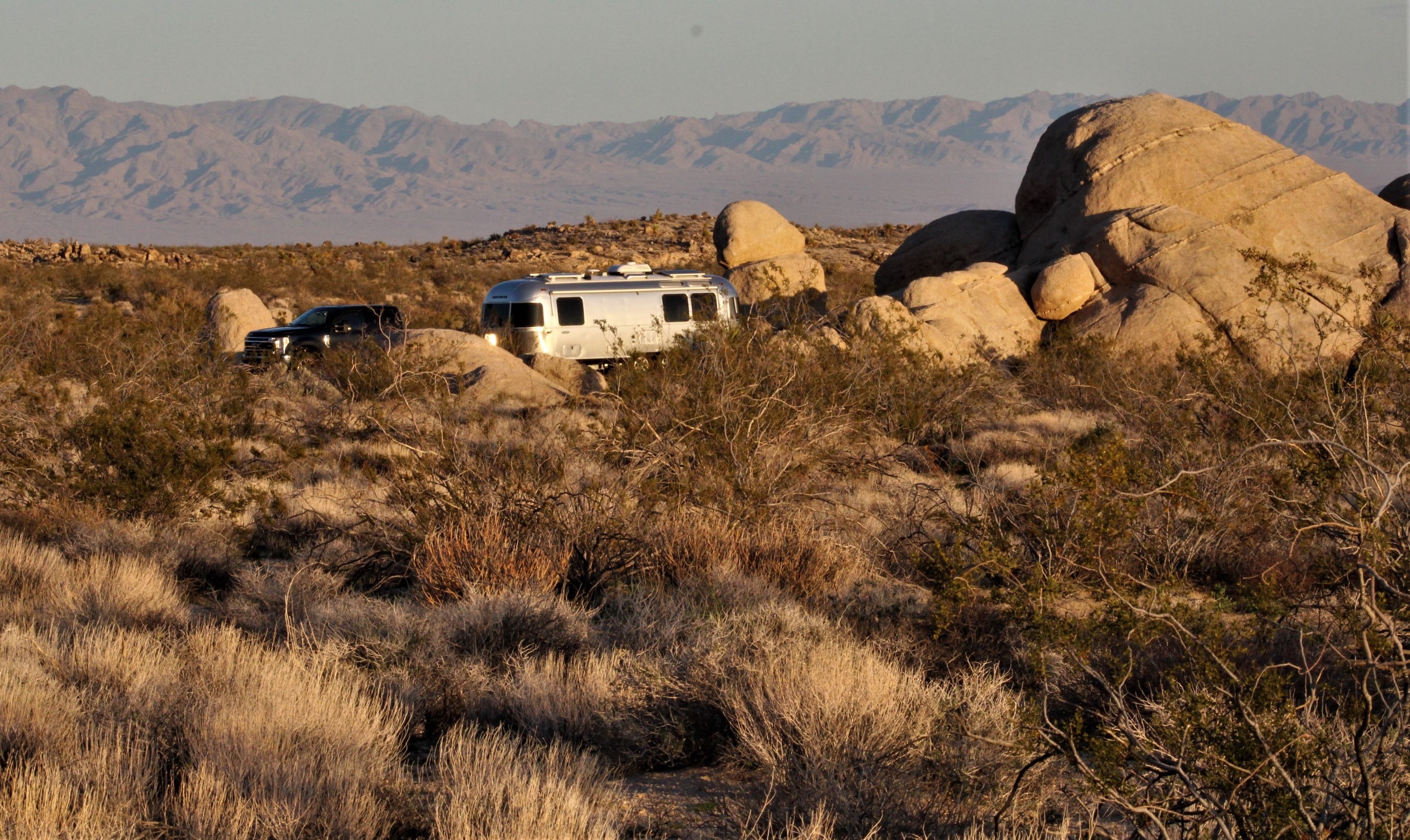
Our plan was to stay at a boondocking site on some BLM (Bureau of Land Management) land just on the Arizona/California border. Boondocking means to camp without hookups (no electric or water provided) and usually free. There are other places to do this such as national forests and national preserves. There is also Harvest Hosts, which you can join for a minimal fee. Our camper is equipped with solar panels, it also has a fresh water tank. We also have a generator for backup to the solar. The benefits of this type of camping are more privacy, no reservations needed, beautiful landscapes, far from cities, and usually free or at least super low cost (compared to RV parks, private campgrounds and even less than state parks). The spot we had picked looked promising on Google Maps. It was in Arizona. When we pulled in, it seemed a nice spot, but there were other people there, and it was very close to the interstate, so there was a lot of noise from trucks and cars. We decided to keep going; the Mojave National Preserve was not far away, and looked more like what we wanted. Finally, we made it to California!
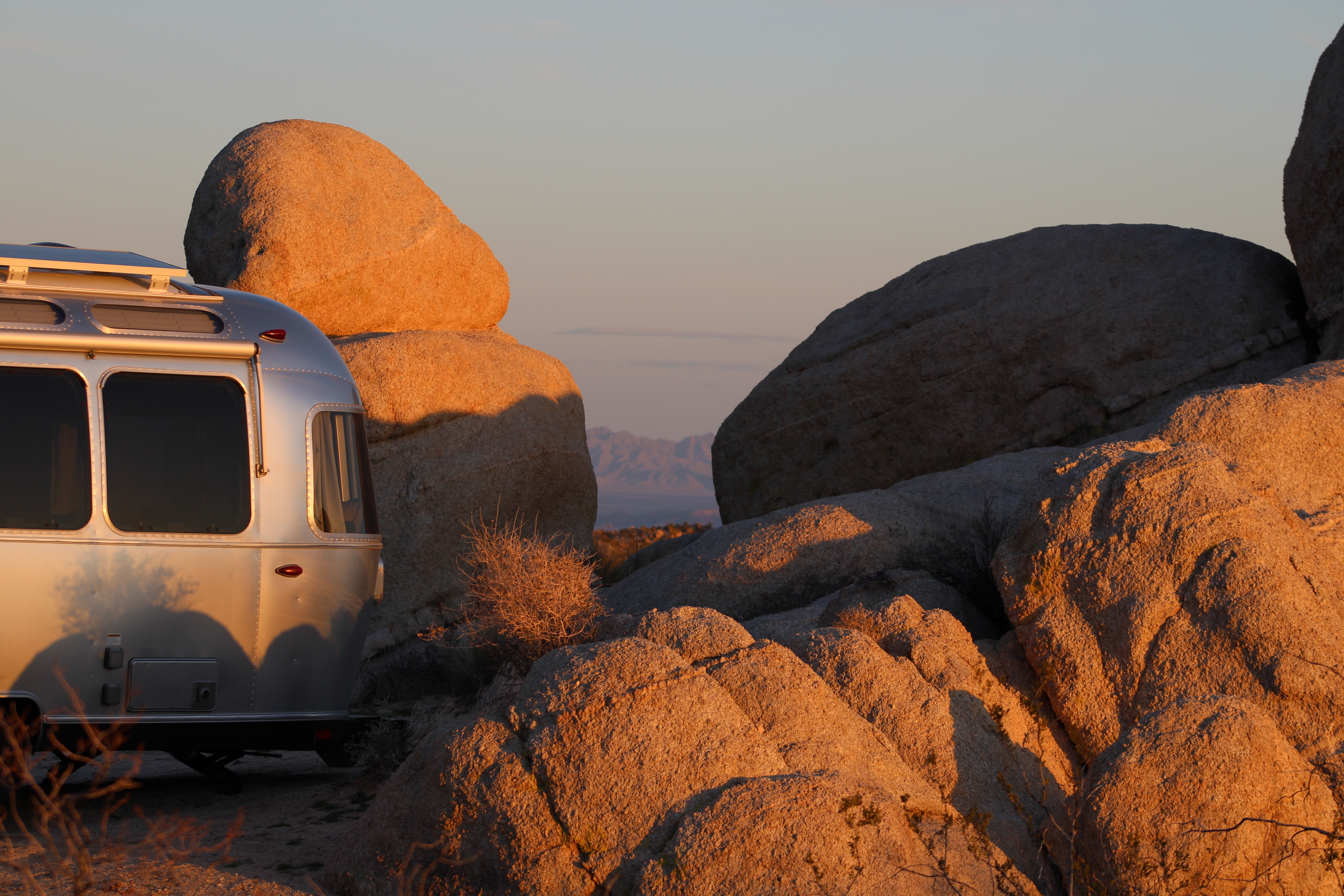
We made the right decision. It was beautiful! It was peaceful, quiet, and picturesque. This was also our first boondocking site. We did really well with how we used our stored solar power and our water. We were probably a little obsessive with checking tank and battery levels, and we were probably a little conservative on our usage. Better to conserve the water and power than use too much and run out. Our plan was to use a Harvest Host the following night, which is a business or person who offers to let people camp/park overnight at their place of business/property at no charge. It is recommended that you purchase something from them, but not required.
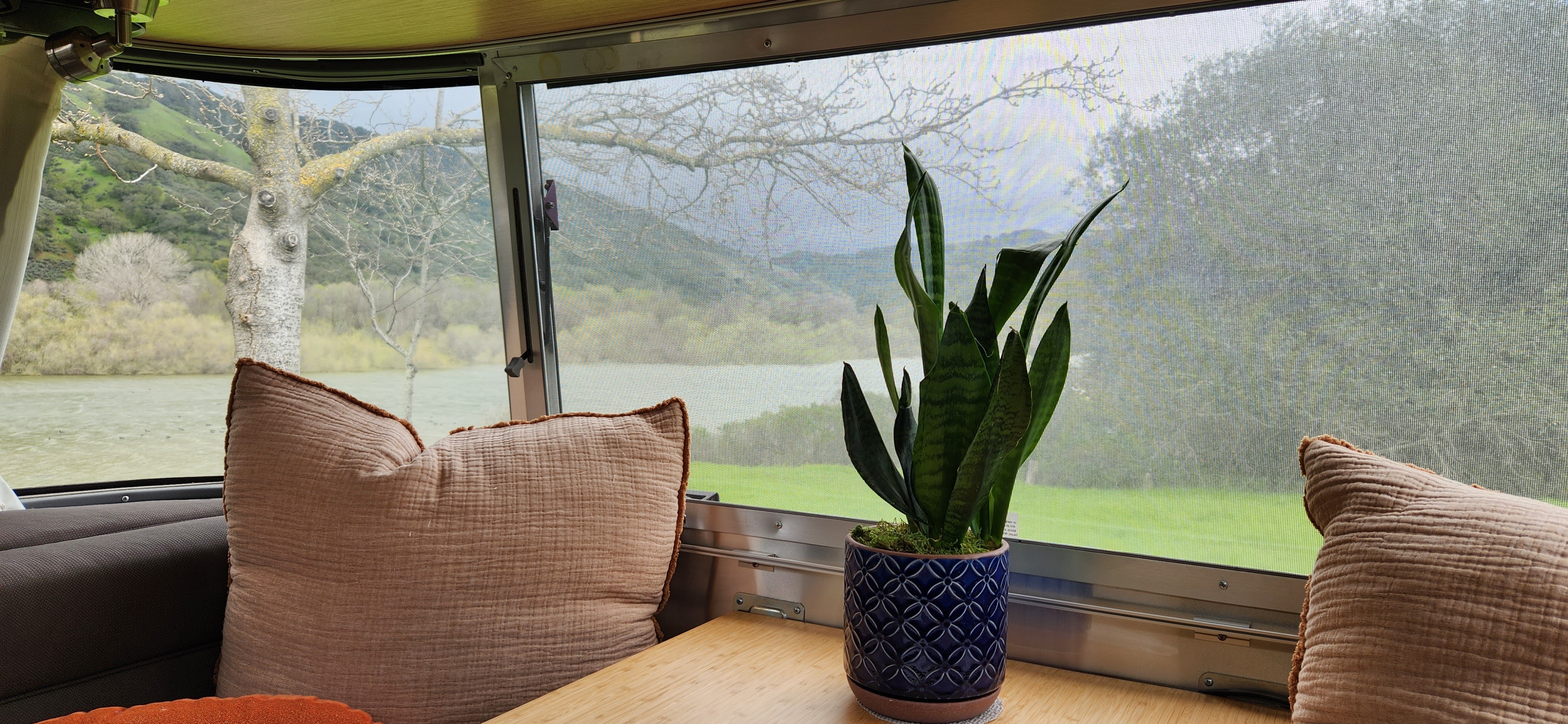
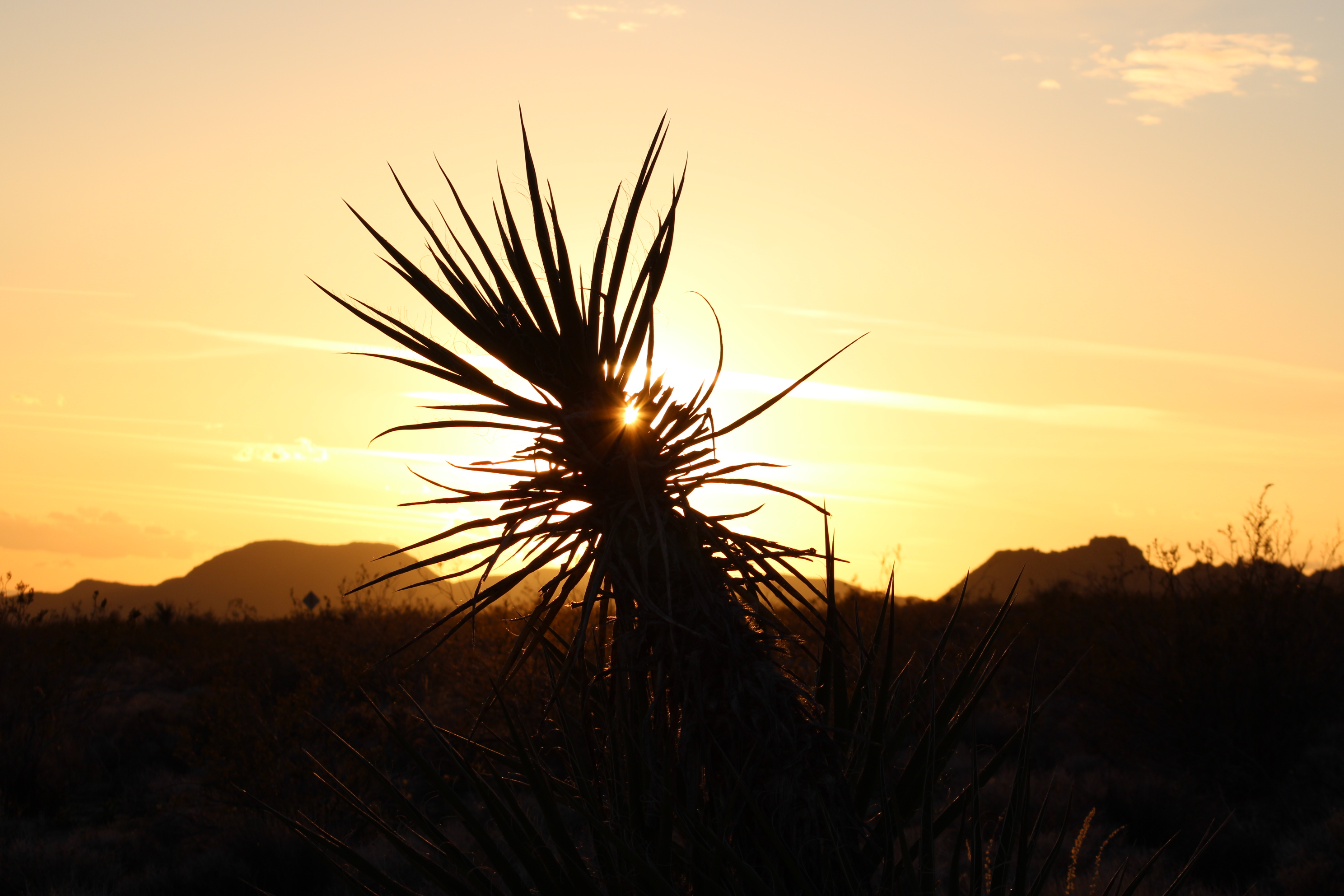
We set up camp, I played with my cameras, we had a few adult beverages and watched the stars come out. One of the perks of an airstream is that it has panoramic windows in the front and the back, and very big windows on the side. Since we were all alone, we could leave the curtains and blinds open and enjoy the desert sunrise the next morning.
After we had our coffee and watched the sun come up, it was time to get back on the road. Our next stop was at a museum in Coalinga, CA. This cool place is a museum about the local community and their history, especially in the oil industry. It was a great place to park for the night. As our first Harvest Host experience, we were very pleased. Our next stop was near Freemont, CA, which is outside of San Francisco and right in Silicon Valley. It was time to stop for a while and Aaron needed to work in the office for a few days. It was also time to do some laundry and give the rolling house a good cleaning. After a little over a week of driving every day and staying somewhere new each night, it was time to park it.
After saying goodbye to our loved ones in Tulsa, we headed out. We did need to get to California by a certain date so Aaron could work in an actual office for a few days. This part of our trip was a bit of a challenge for him. We planned to drive about 4-5 hours a day, he would work in the morning, then we would drive, stop for lunch, he would work a bit more, drive some more, set up camp for the night, he would catch up on more work and start it all over again the next day. I would plan out where we were to stop, locate truck stops for gas, and make sure he actually listened to what Google Maps told him to do. I think I had the much easier job on this leg of the trip.
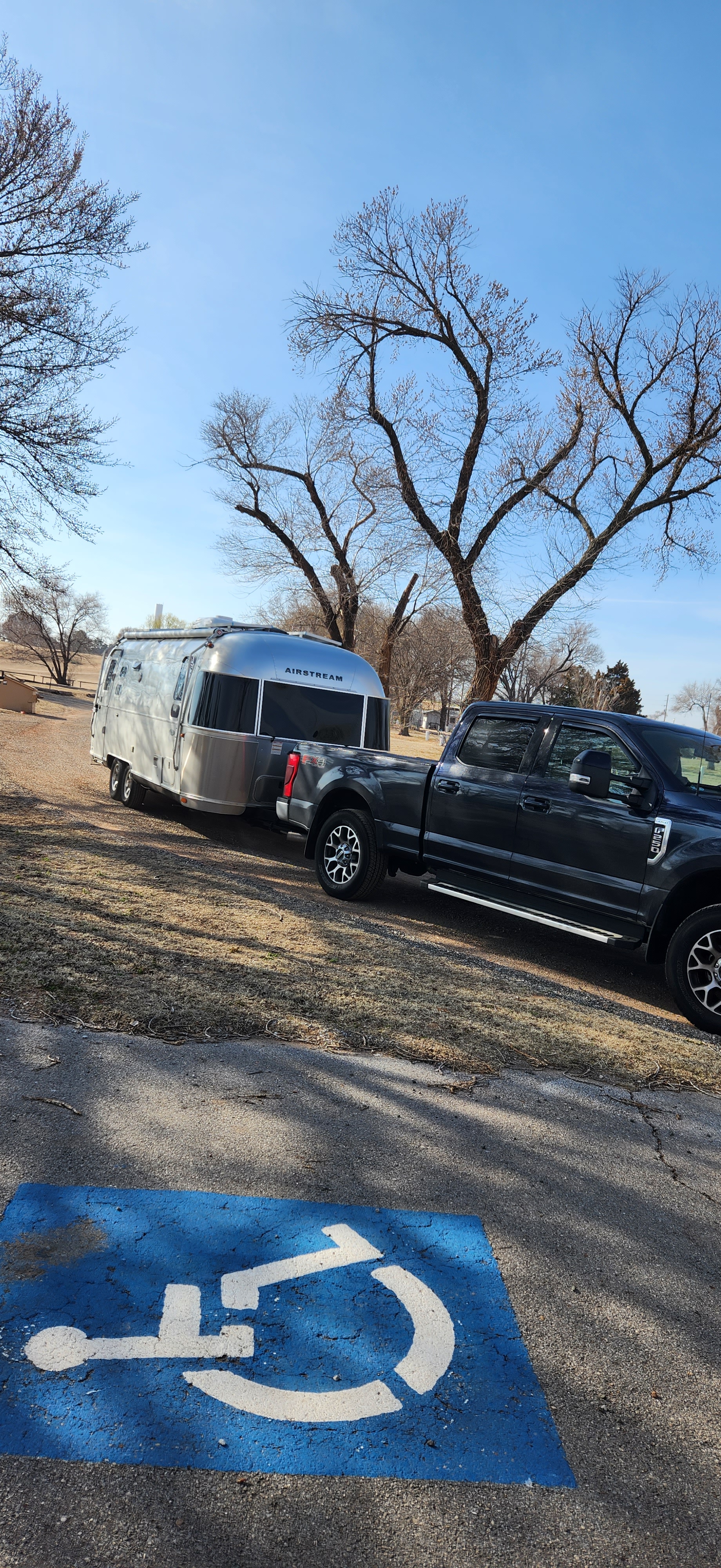
We spent a second night in Sayre, OK at a local town owned park. Considering it was only $12 for the site, it was the perfect place for a 1 night pit stop.
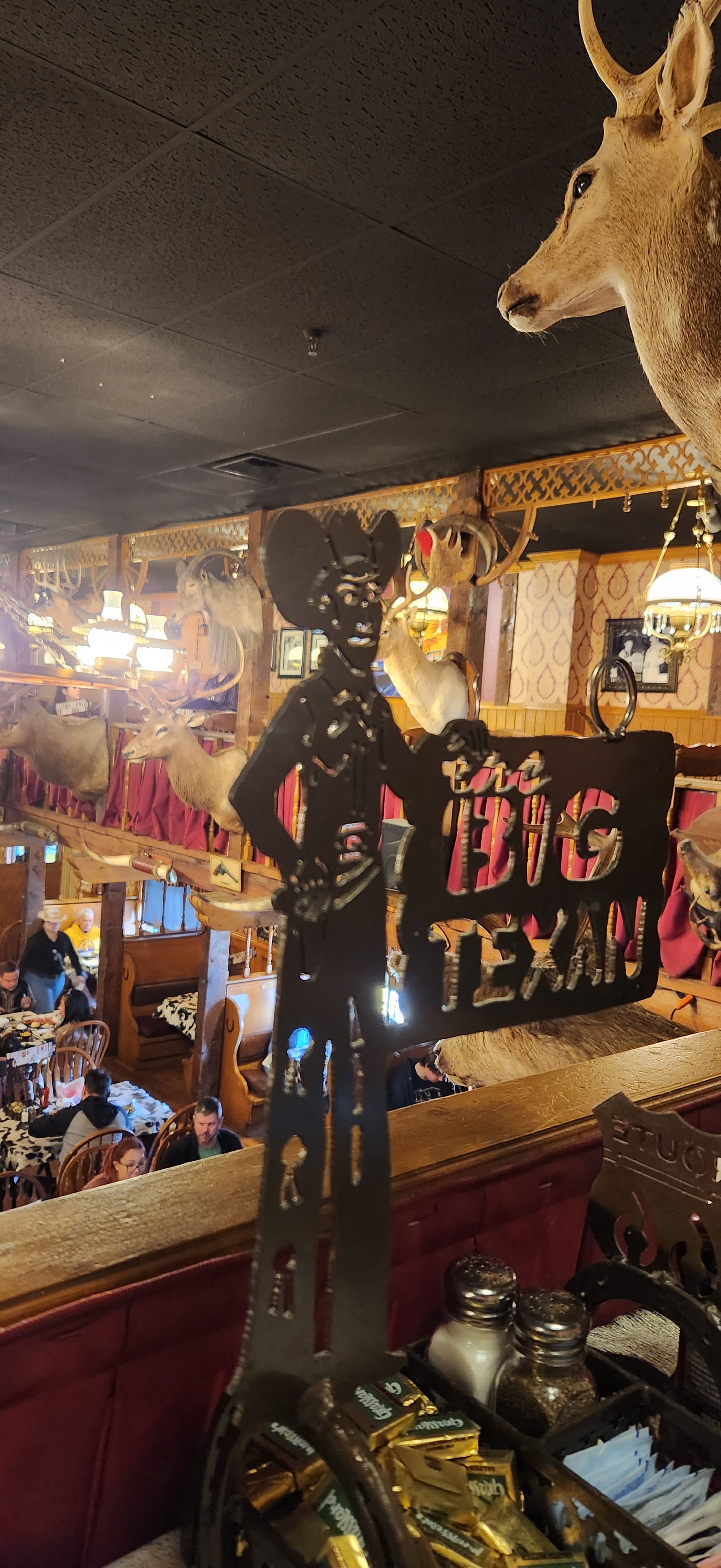
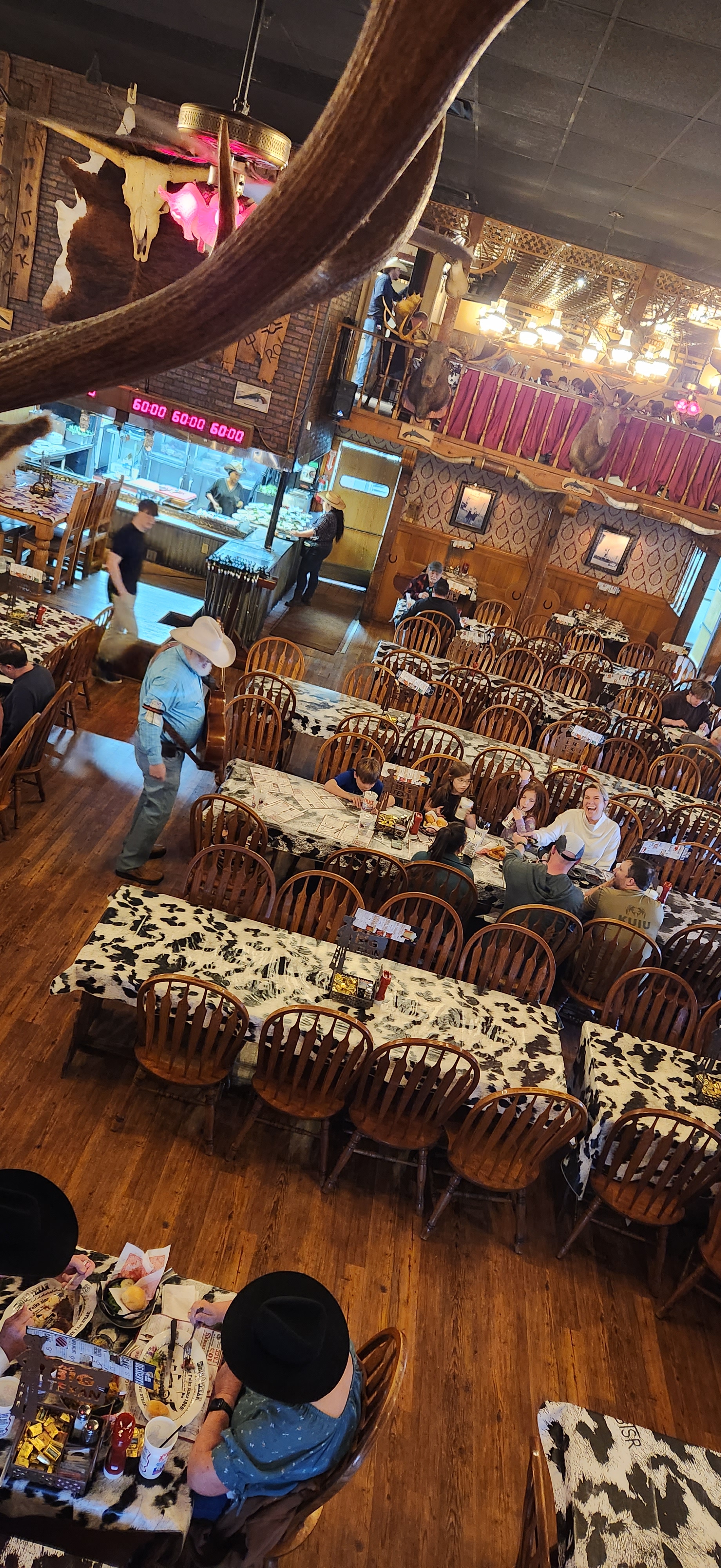
Then, it was time to travel the top, short part of Texas. We were very close to Route 66 and spent some time on and off of 66. When it was time for lunch we stopped at The Big Texan. A Route 66 legendary steakhouse, The Big Texan is home of the free 72 oz steak challenge. We decided not to accept that challenge a cowboy who wandered the restaurant with his guitar and sang for the diners. The food was great, and probably not the best idea for lunch. We each chose a ribeye, baked potato and maybe a vegetable. it felt more like nap time after that than travel time. We cowboyed up and got back on the highway.
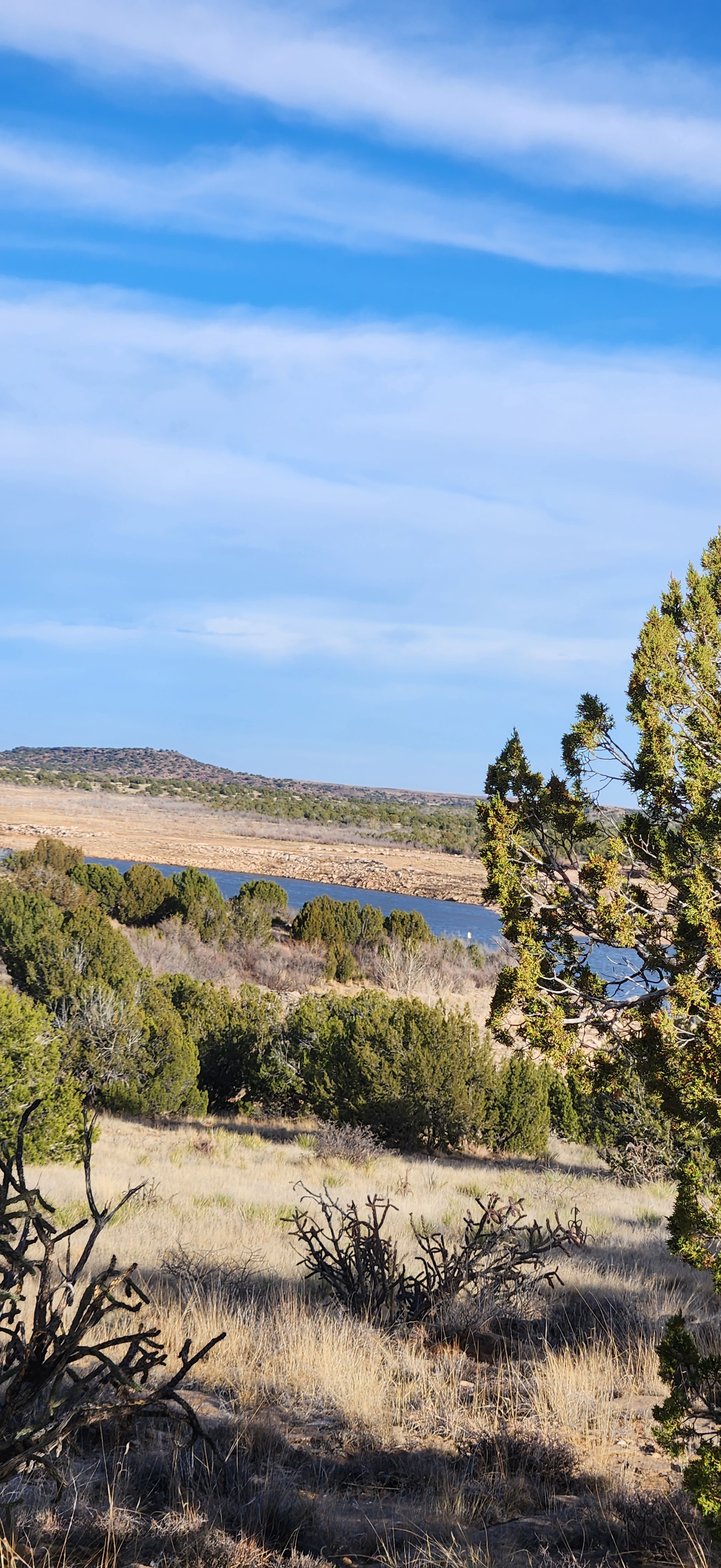
We made it through Texas and on into New Mexico. Finally, a state I had never been to before!! It felt like the adventure was really getting under way. New Mexico was a beautiful drive and we plan on going back to explore as much of it as we can in the winter months when we do not want to be in the northern parts of the USA. We spent the night at Santa Rosa Lake State Park for the night. The campground was set above the Santa Rosa Lake, which is a reservoir in a desert like setting. Aaron loves the desert, I love the water, so this was an ideal spot for us both to recharge for the night. And I learned another valuable lesson, do more research when booking a campsite. Some of the spots had water and electric hookups, some of them did not. Of course, ours did not. But, we had our batteries fully charged, our propane tanks full and fresh water in the water tank. So not a big deal, but it could have been if we did not travel prepared for such a situation. The solar panels that Aaron added have given us more freedom in the destinations we can choose.
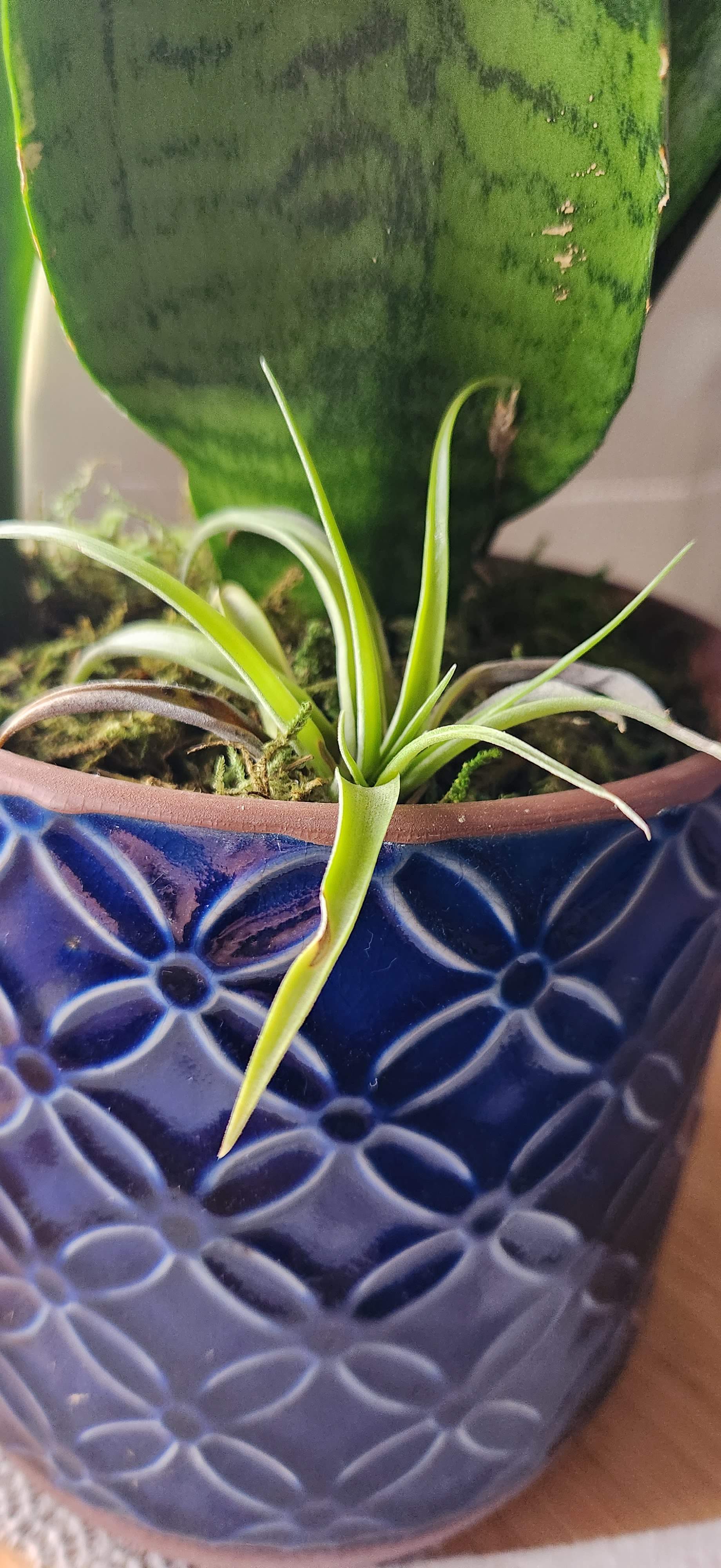
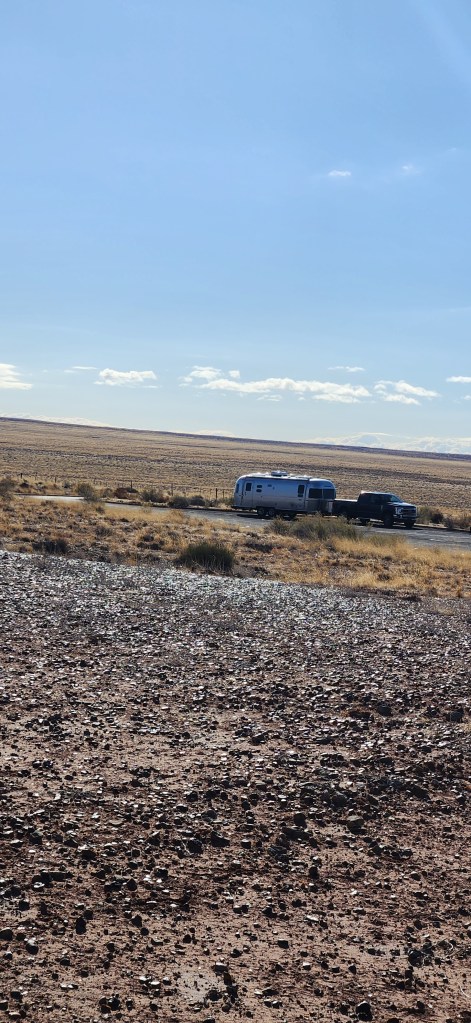
On to and through Arizona. Now, Arizona’s roads are not for the faint of heart. There were potholes big enough to swallow our truck and camper. Interstate 40 shook, shimmied, and bounced our poor Airstream across the entire state. Once again, I did not follow my checklist completely before we departed that morning, and the other cute dog shaped planter was not taken down from its shelf. He lost 3 legs, and left a sizeable dent on our dining table. I was so mad at myself for doing it AGAIN! Hopefully I learned my lesson this time around. And poor Aaron is all out of cute little dog plant holders. He was able to save on of the air plants, and now lives with the only surviving (so far) plant. I still love Arizona, even with the camper rattling roads, and can not wait until we go spend quality time wandering the state.
I had to find a photo online since I didn’t take one before they were both destroyed. The second photo is the survivor.
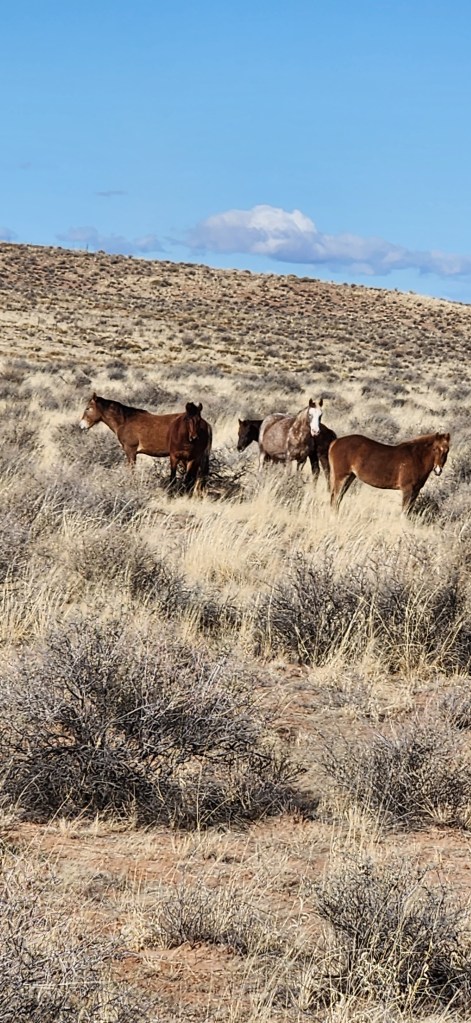
We spent the night at Homolovi State Park, which has an archeological site with ancient pueblos. It was another beautiful state park with the added bonus of horses (not sure if they were wild or rescues) some donkeys ( I wasn’t able to get a photo of those jackasses) and beautiful views. Seeing the ancestral Hopi village ruins from the 1200s to late 1300s was a humbling experience.
The next morning, Aaron did some work and I went thoroughly through my checklist. He went through his checklist and then it was time to get back on the road. The Mojave Desert was calling to us and it was time to head further west into California.












 Wandering Cindi