
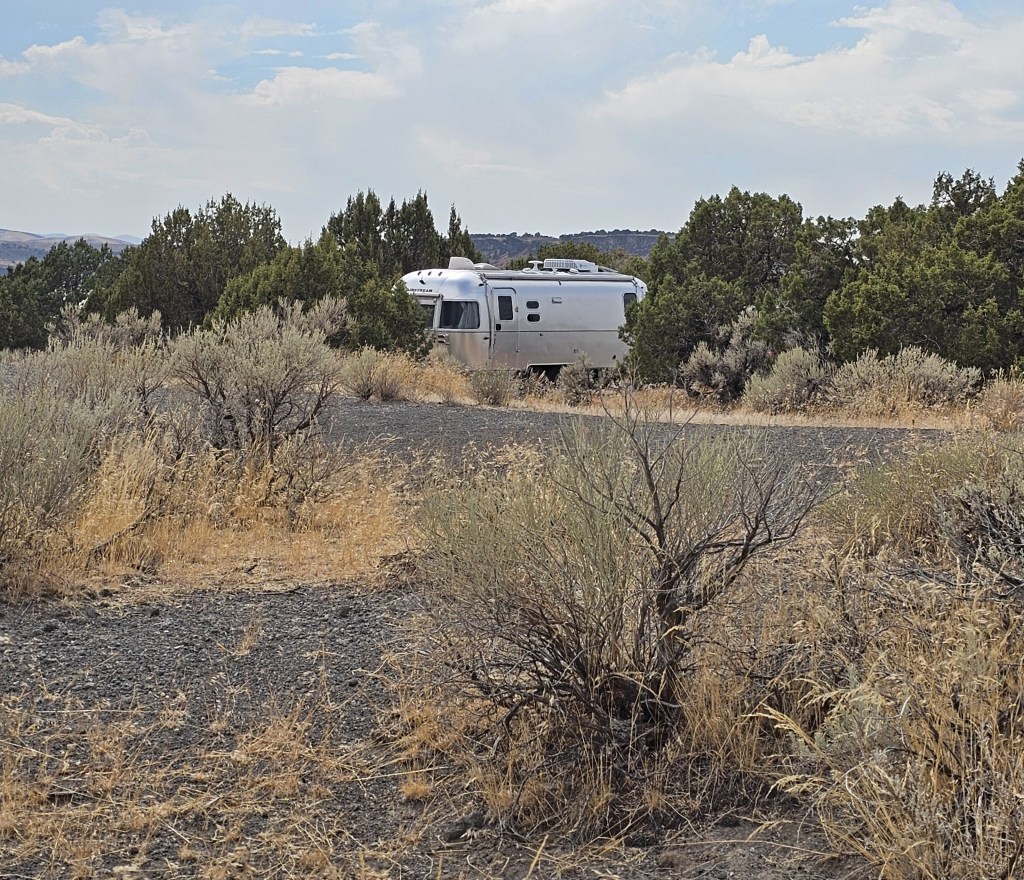
Plans change. A big part of our travels is our ability to adapt to Aaron’s job’s changing needs. We had planned to head east into Wyoming and then south, but he needed to spend time in his company’s office in Fremont, California. So, we headed west out of Montana for one more trip through Idaho, leading us west to California. We decided to check out Massacre Rocks State Park in American Falls, Idaho. That was a really good decision.
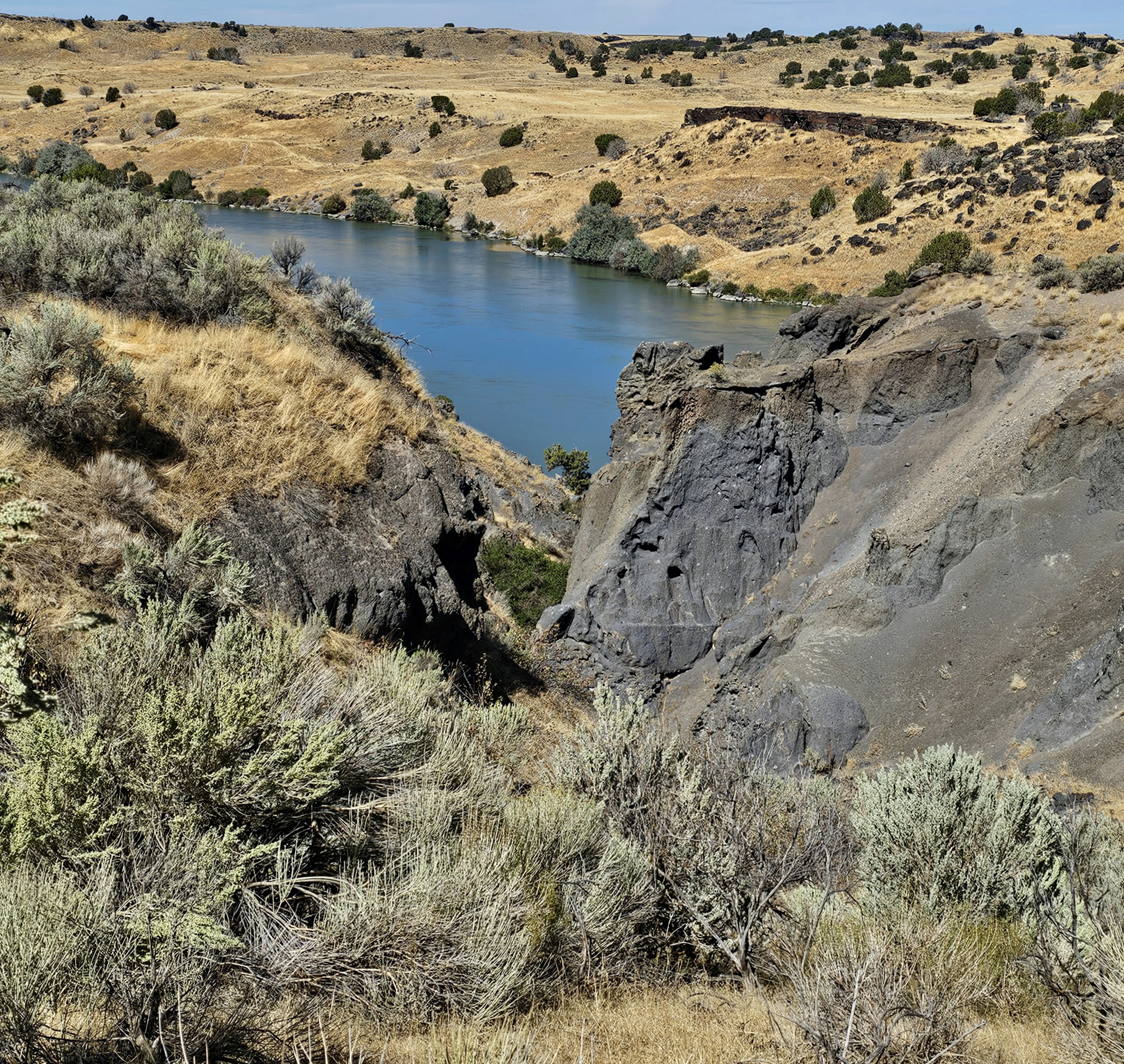
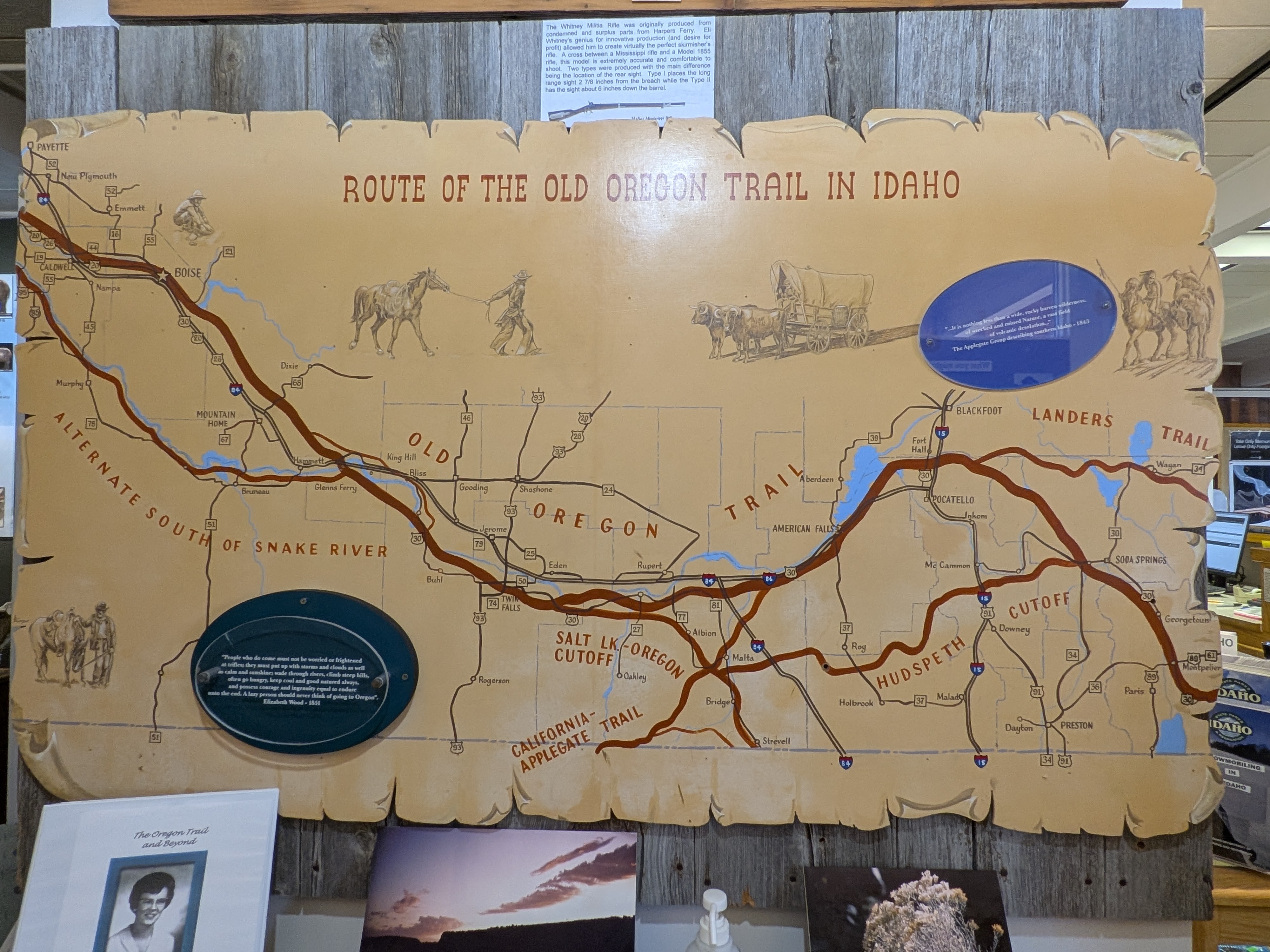
Massacre Rocks State Park is situated on part of the Oregon and California Trail, which pioneers used in the 1800’s and early 1900’s to emigrate west to Oregon and California in their covered wagons. This park was named for a fight between the Native American tribe, the Shoshone, and settlers in 1862. The Shoshone lost at least 20 people, and at least 8 people from wagon trains were also killed in this fight. Regardless of its bloody history, the park is beautiful. It sits above the Snake River with hiking trails, a museum, large boulders, and a hilly campground.
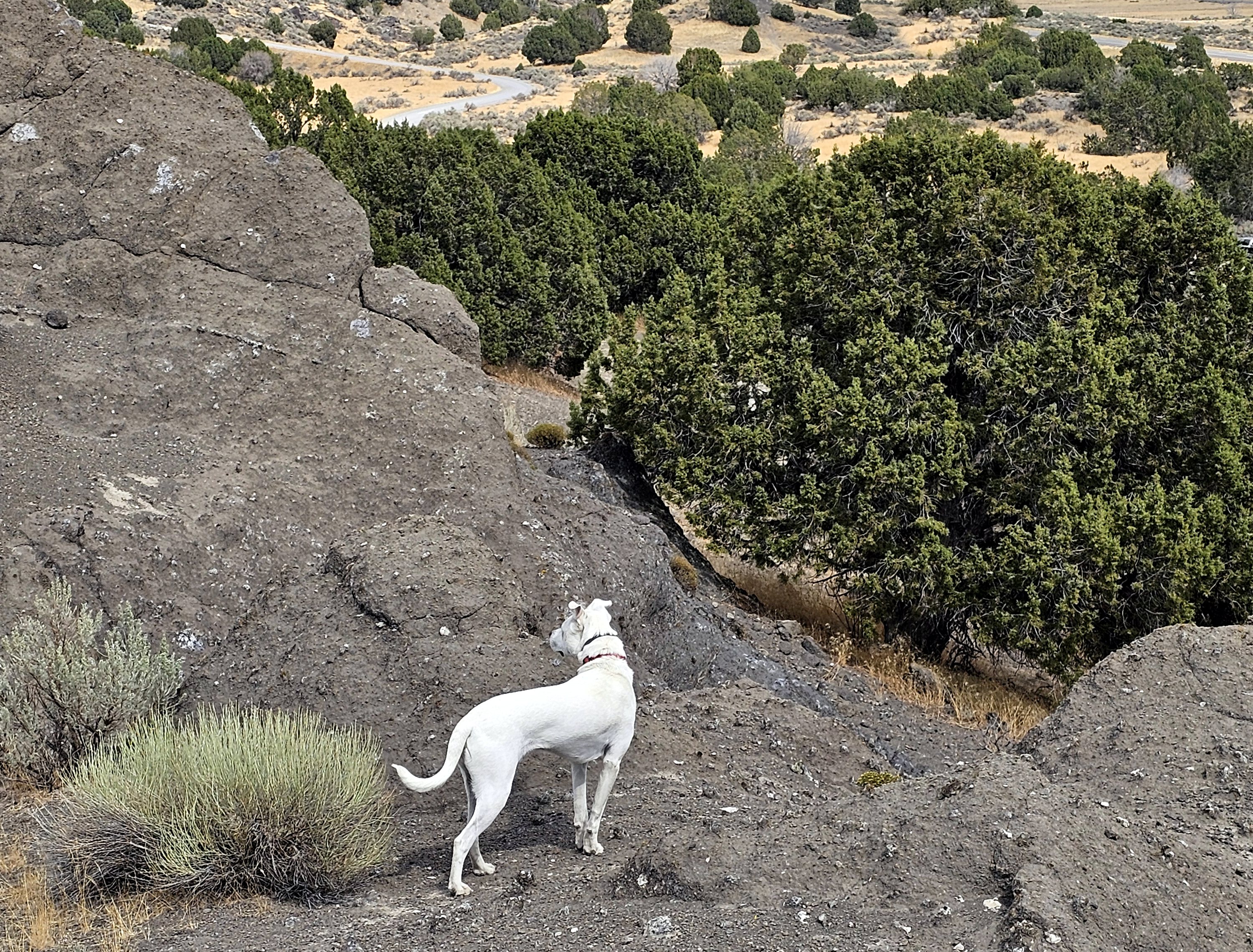
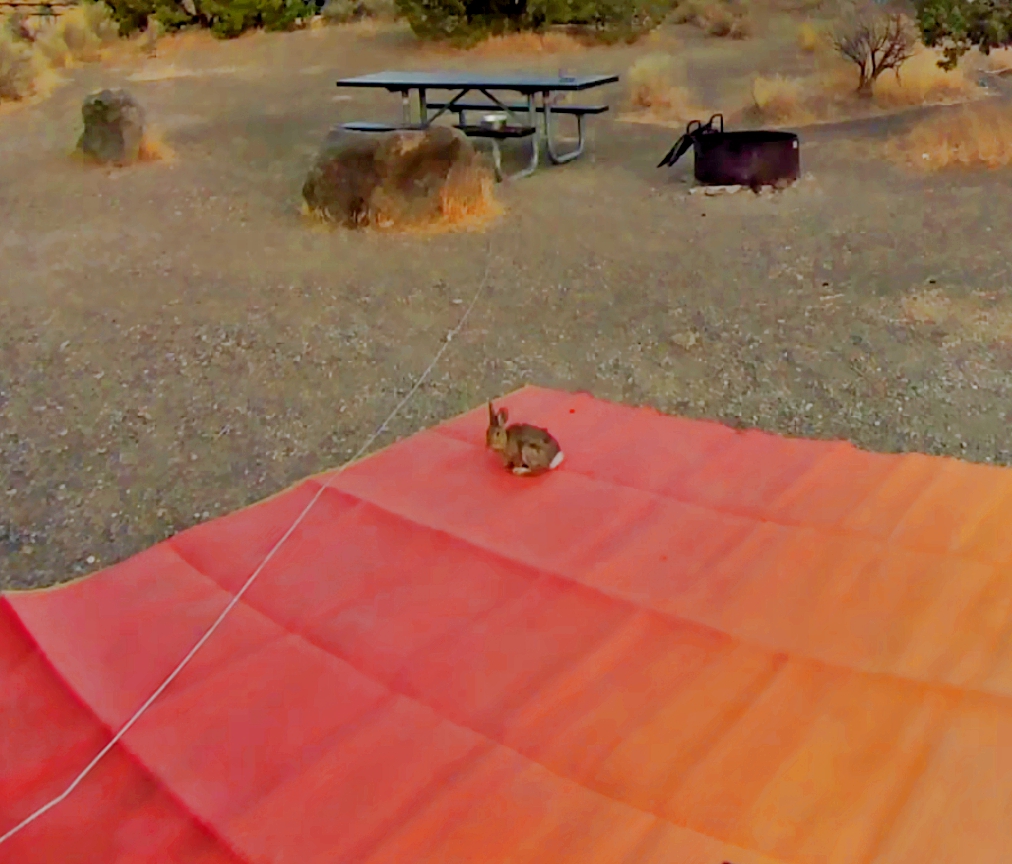
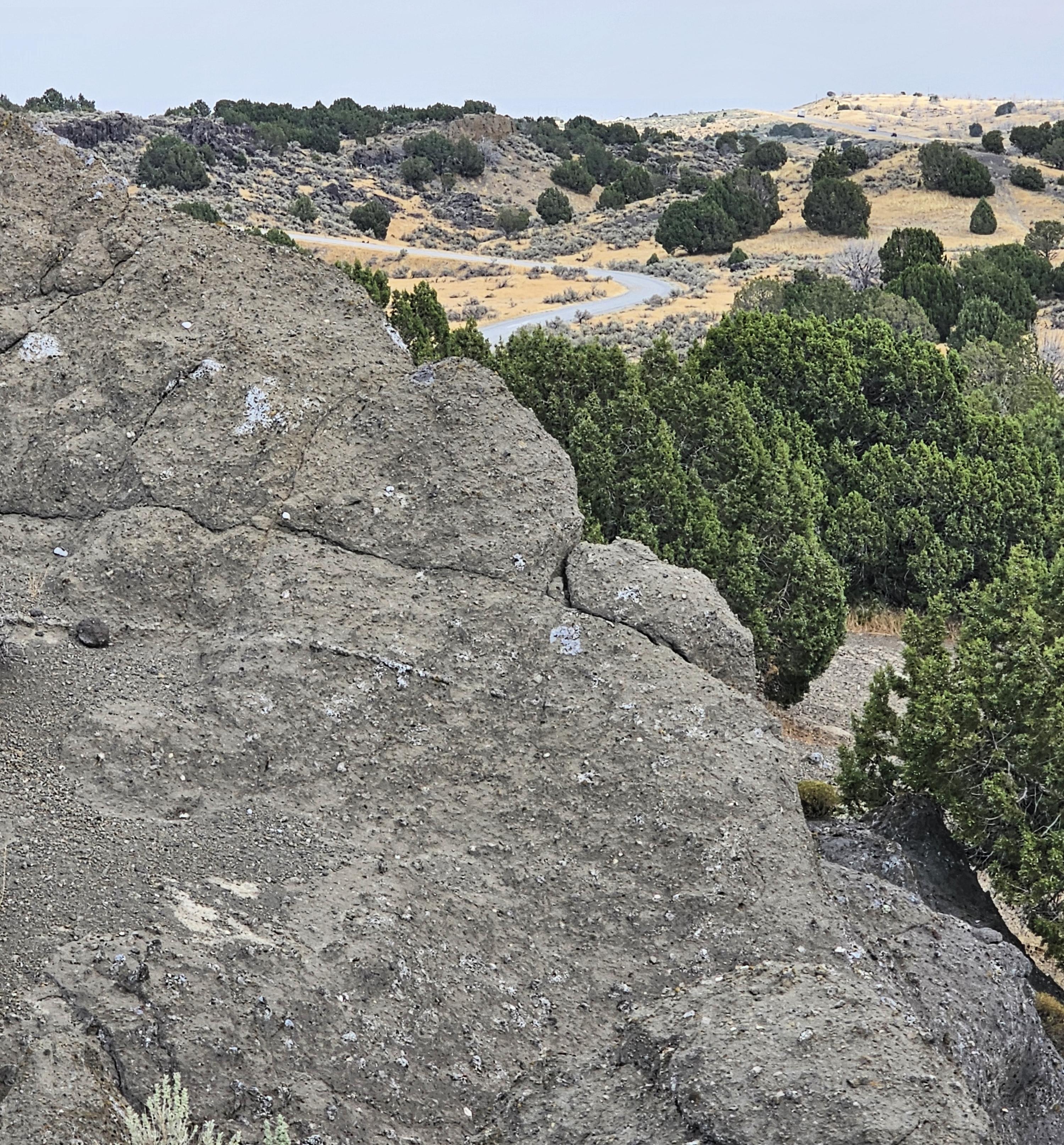
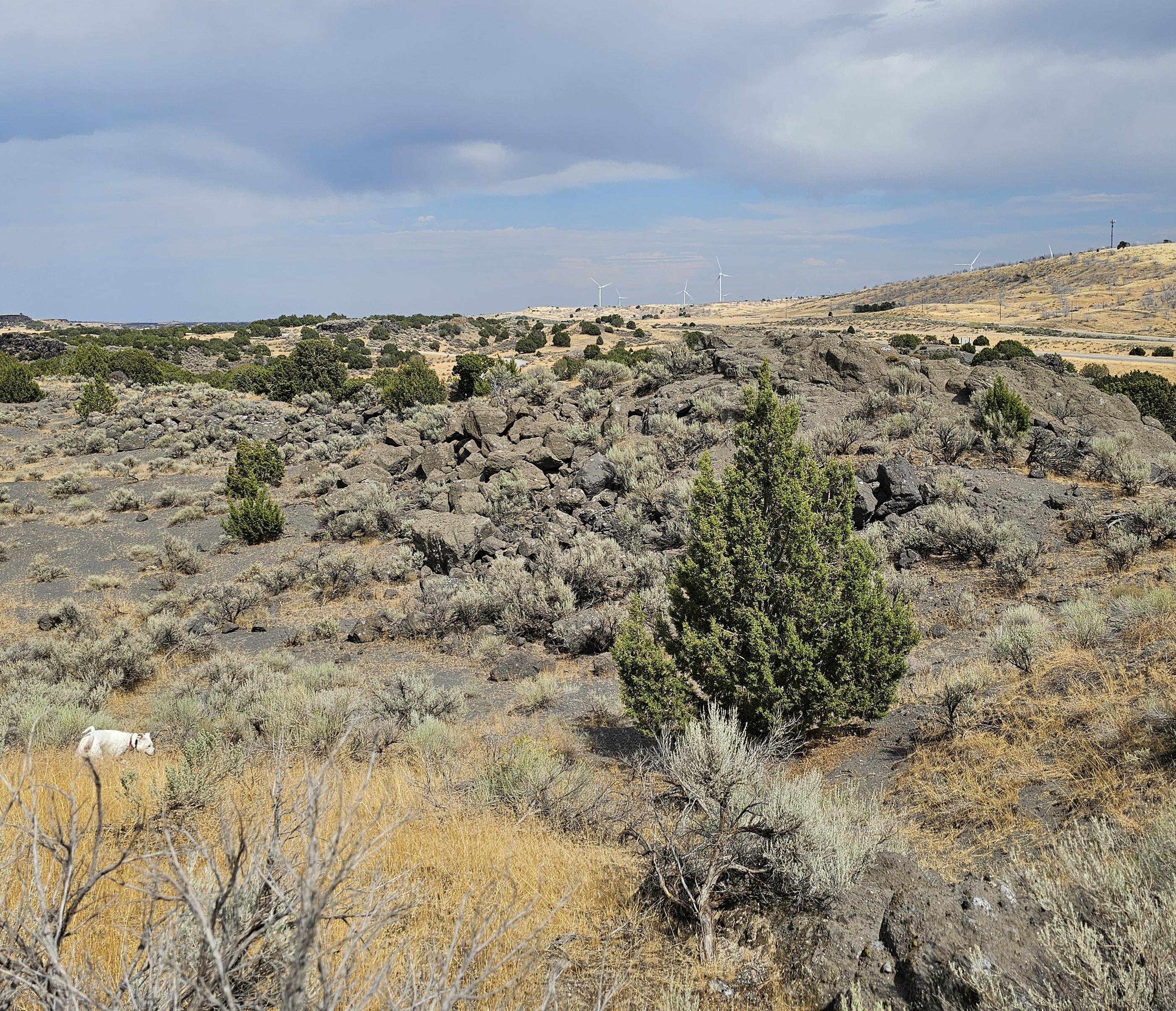
There were a lot of rabbits for Murphy to chase. All the boulders and rocks were formed from volcanic eruptions about 14,500 years ago.
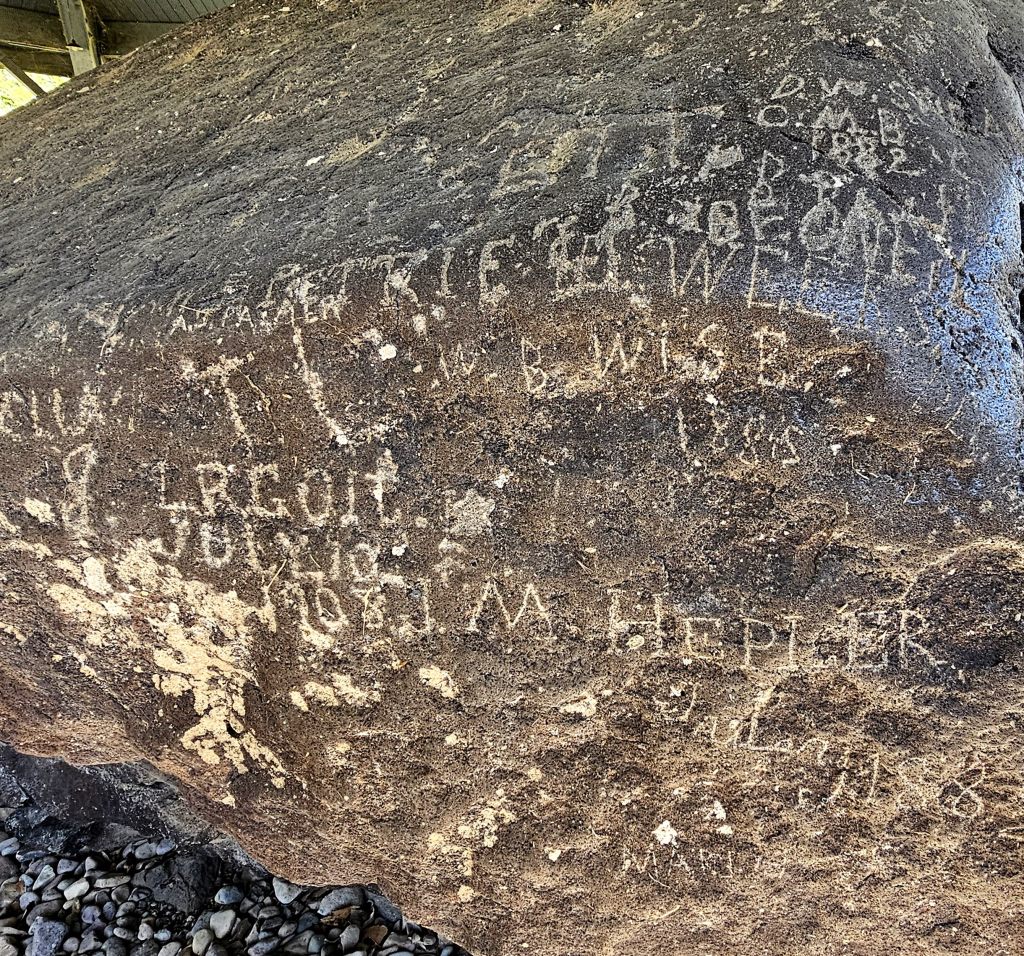
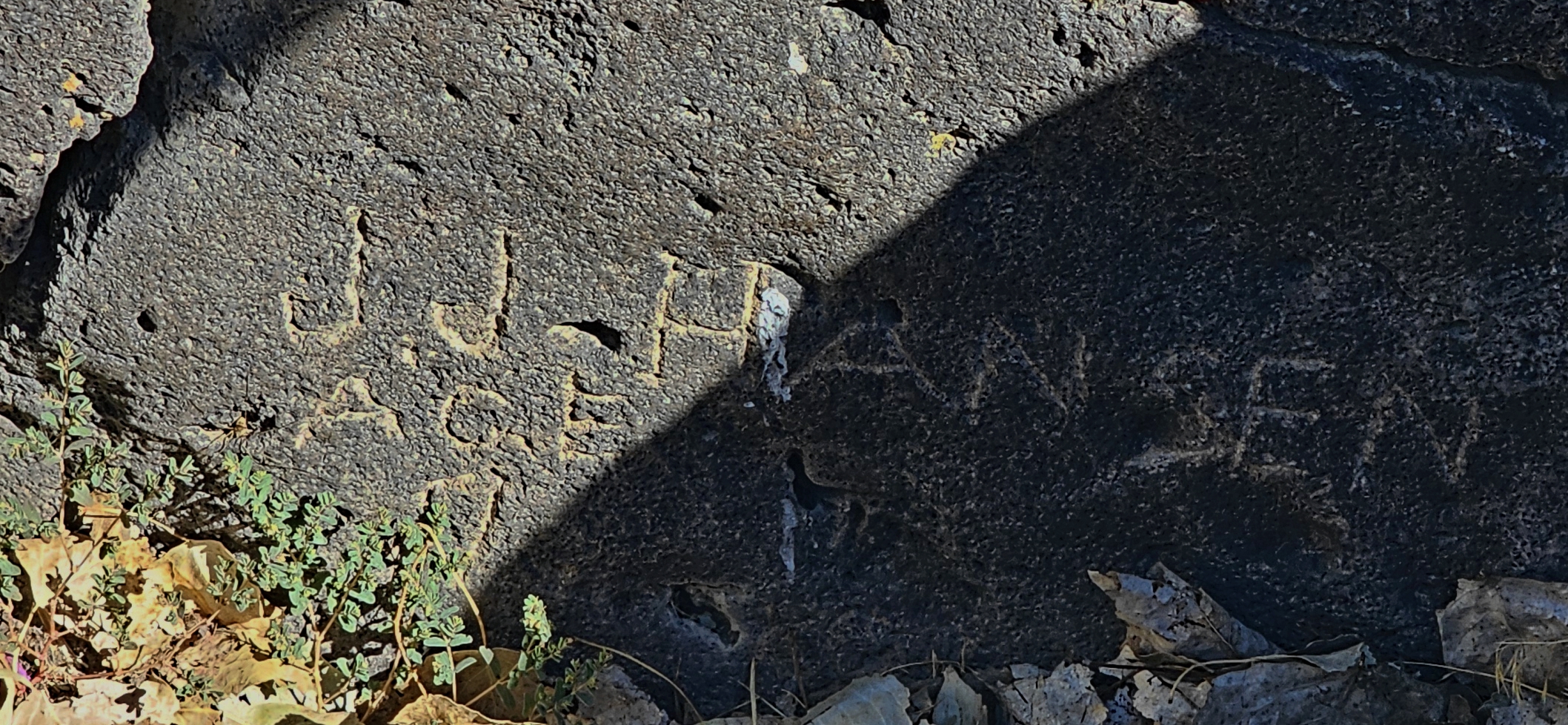
Register Rock is part of the state park and is a few miles from the campground and the rest of the park. This spot was a regular stopping point for a night’s or a few days’ rest. Quite a few of the emigrants that stopped here carved their names into a large boulder and other rocks in the area. The rock has a protective shelter built over it and is fenced in so that people do not deface or destroy this piece of American history. I find it amusing that even back then, people were putting graffiti on rocks. It makes me wonder what future generations will think of the graffiti that will be left behind from our age.
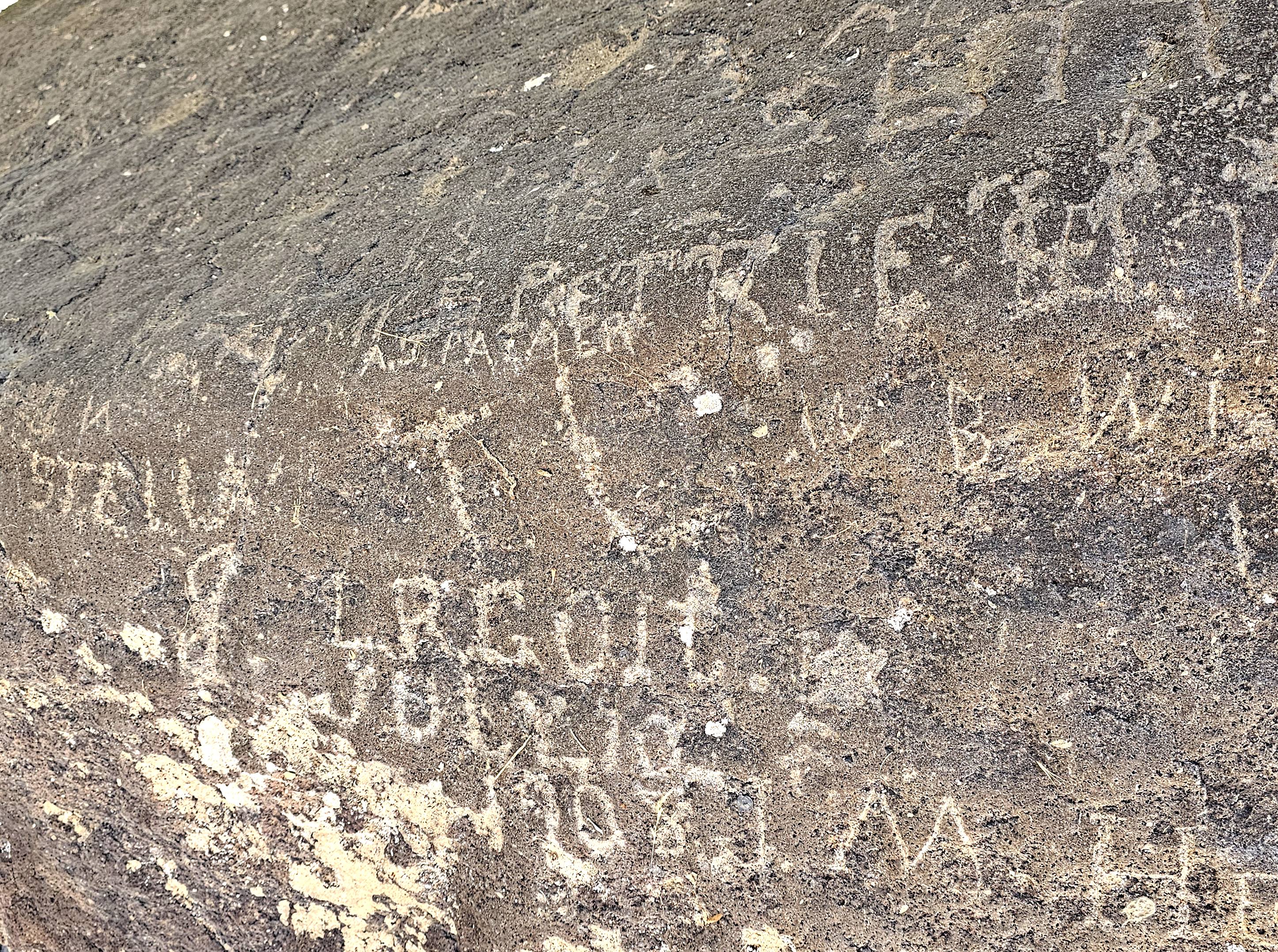
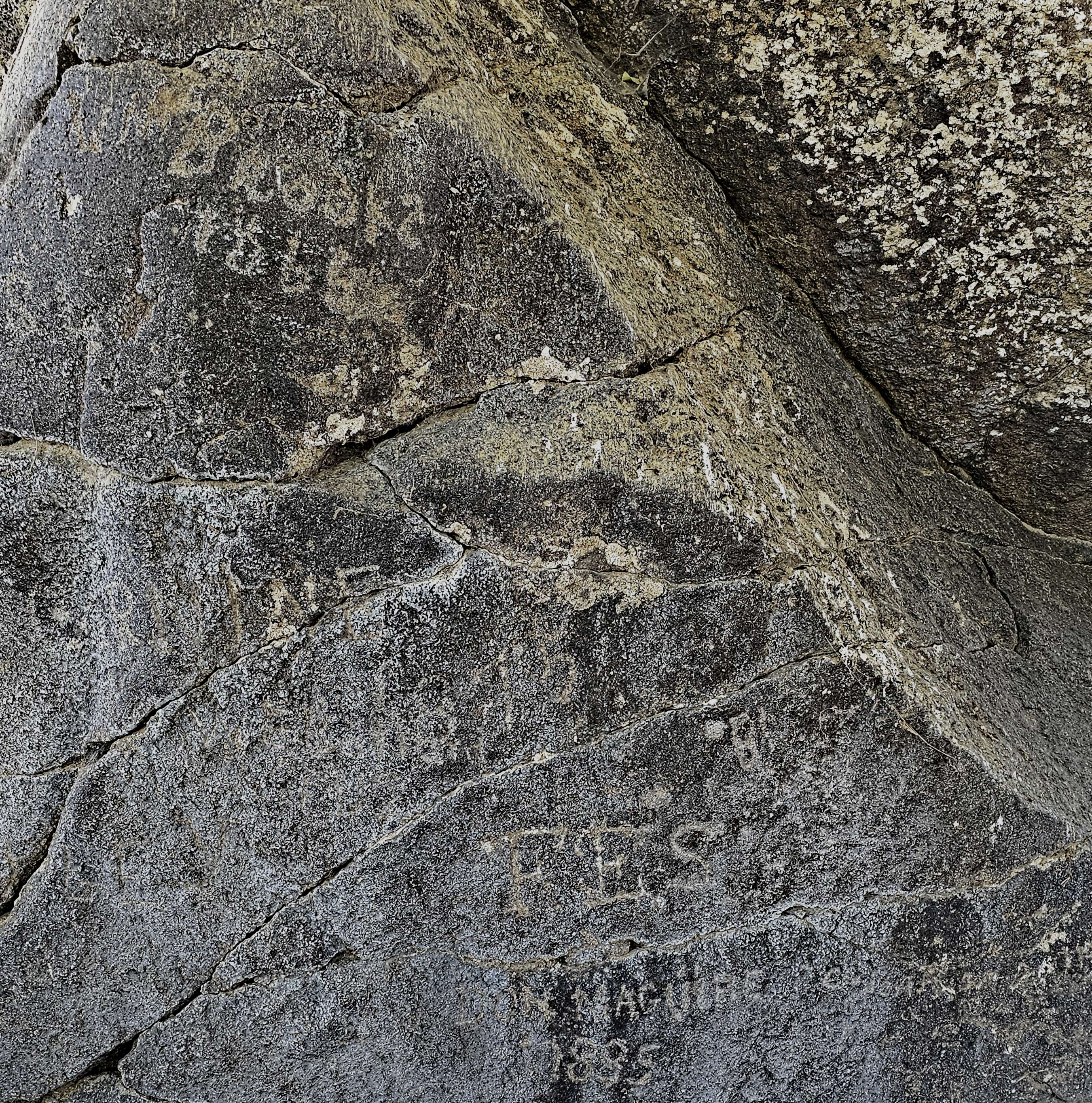
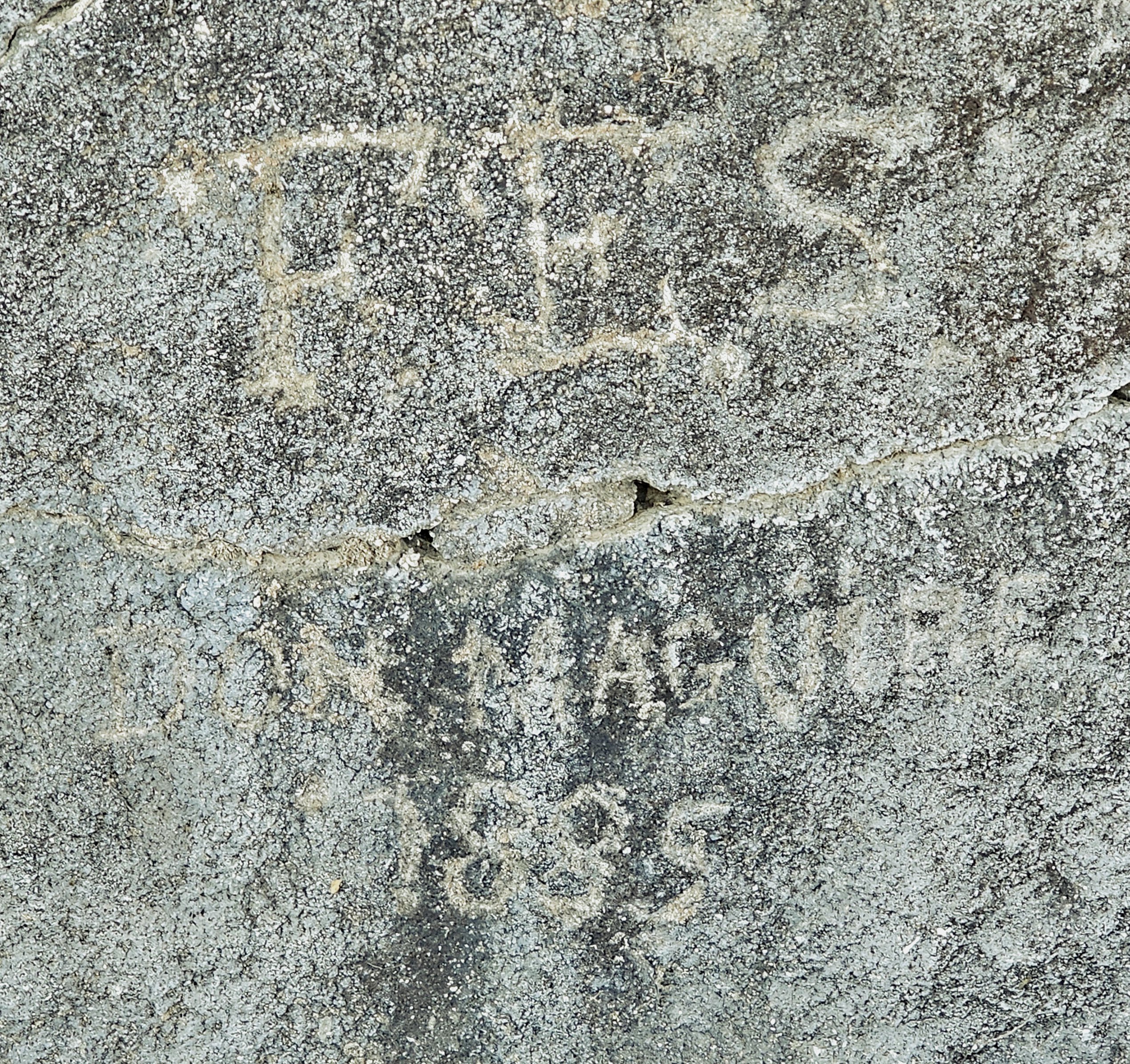
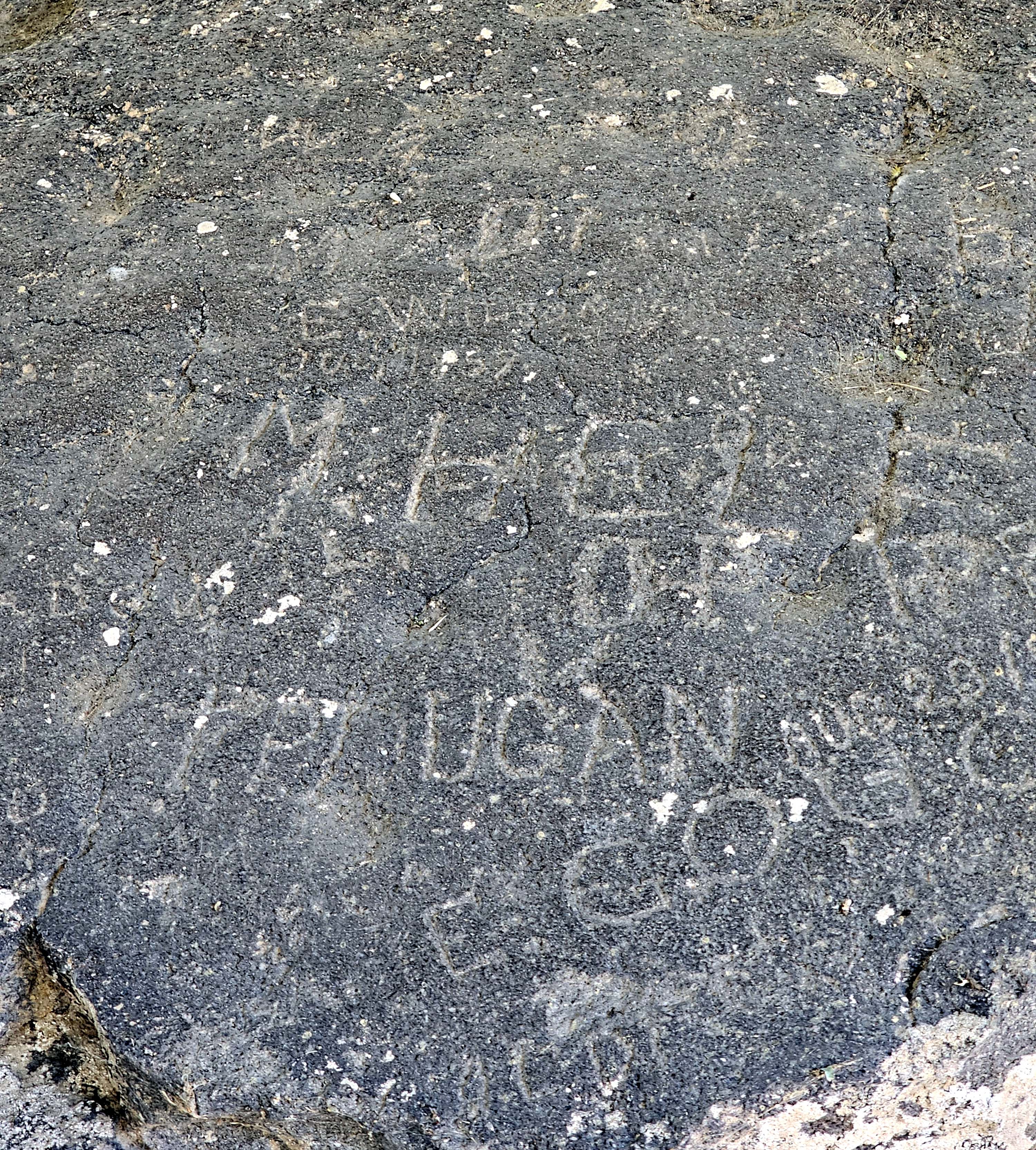
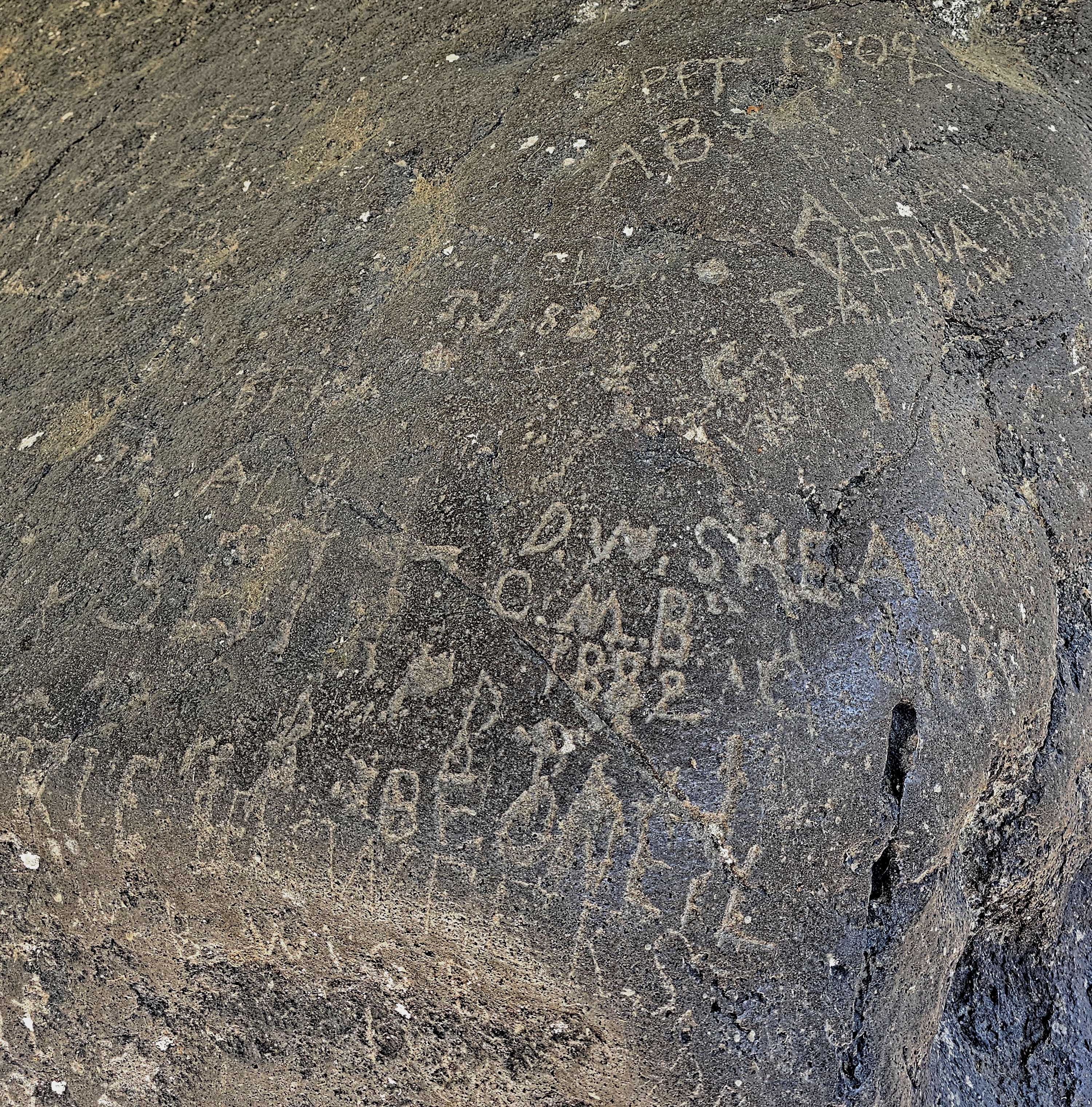

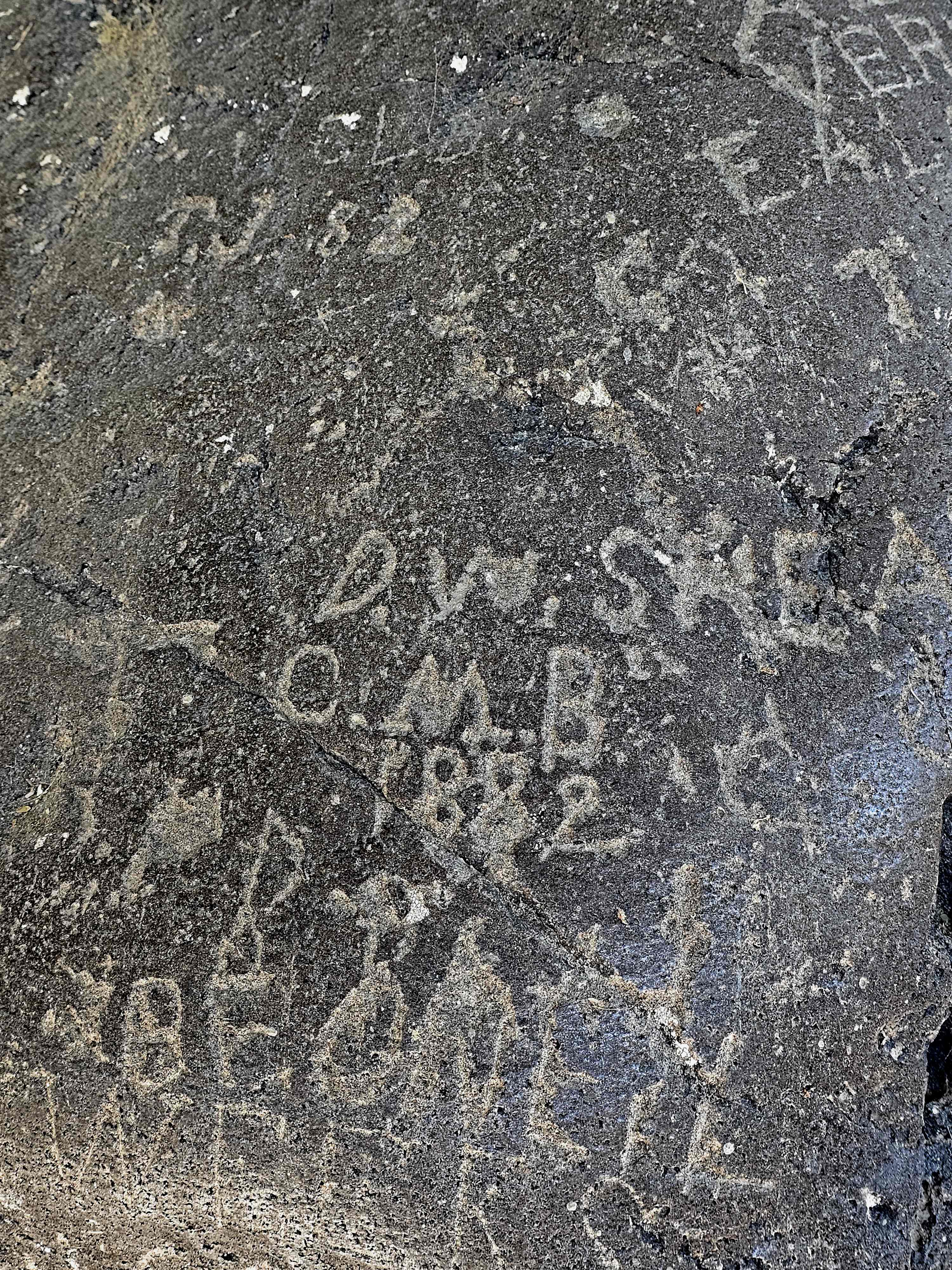
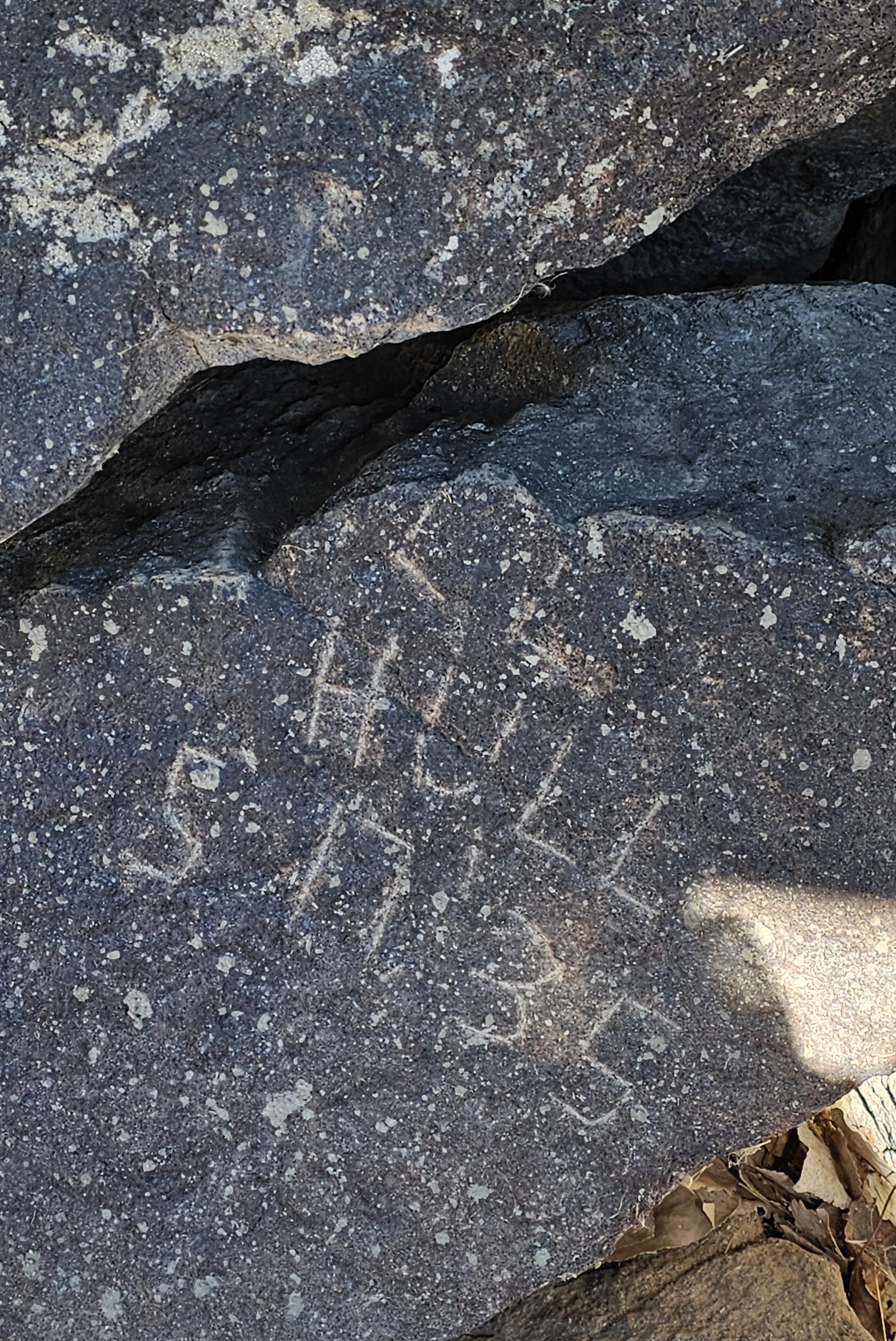
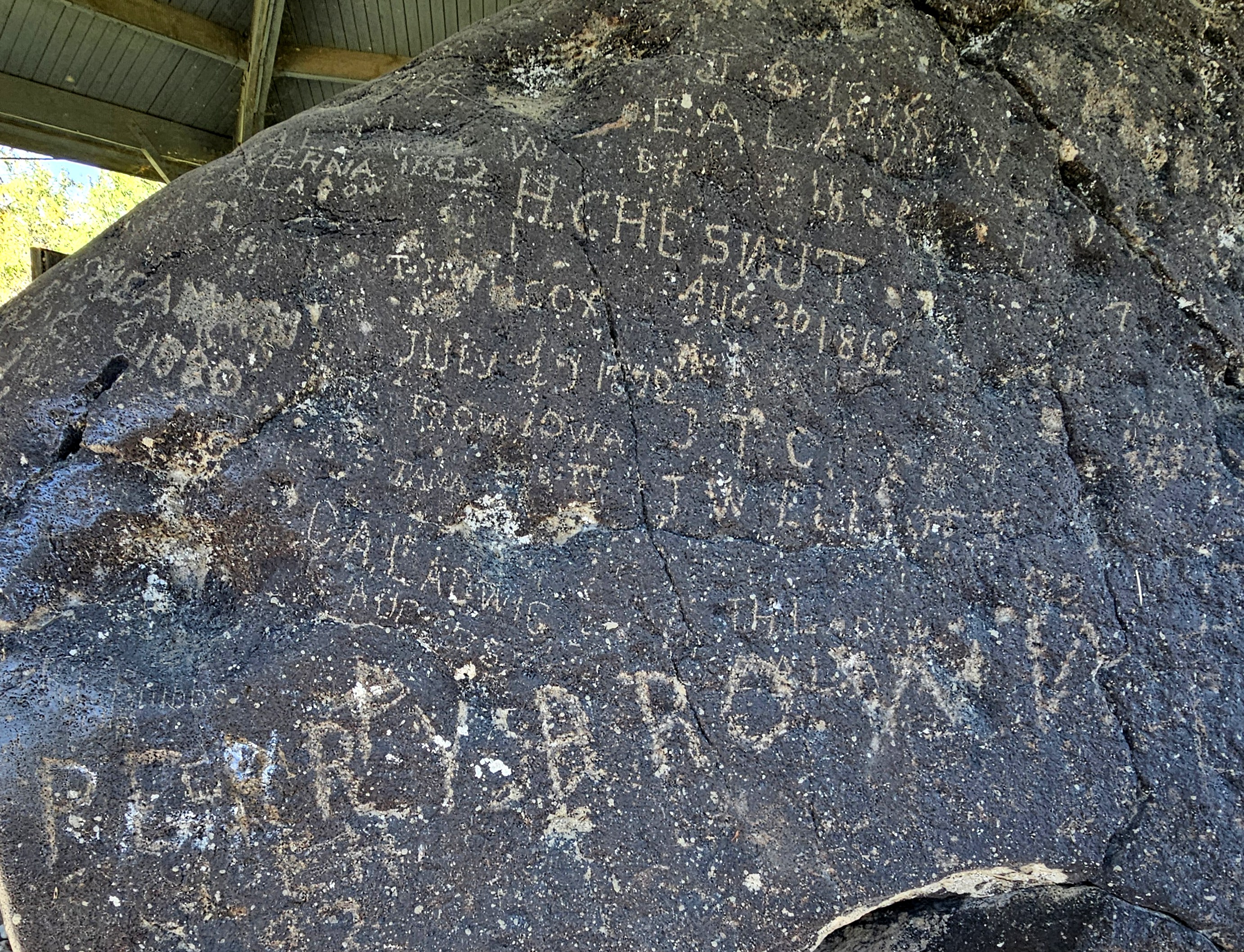
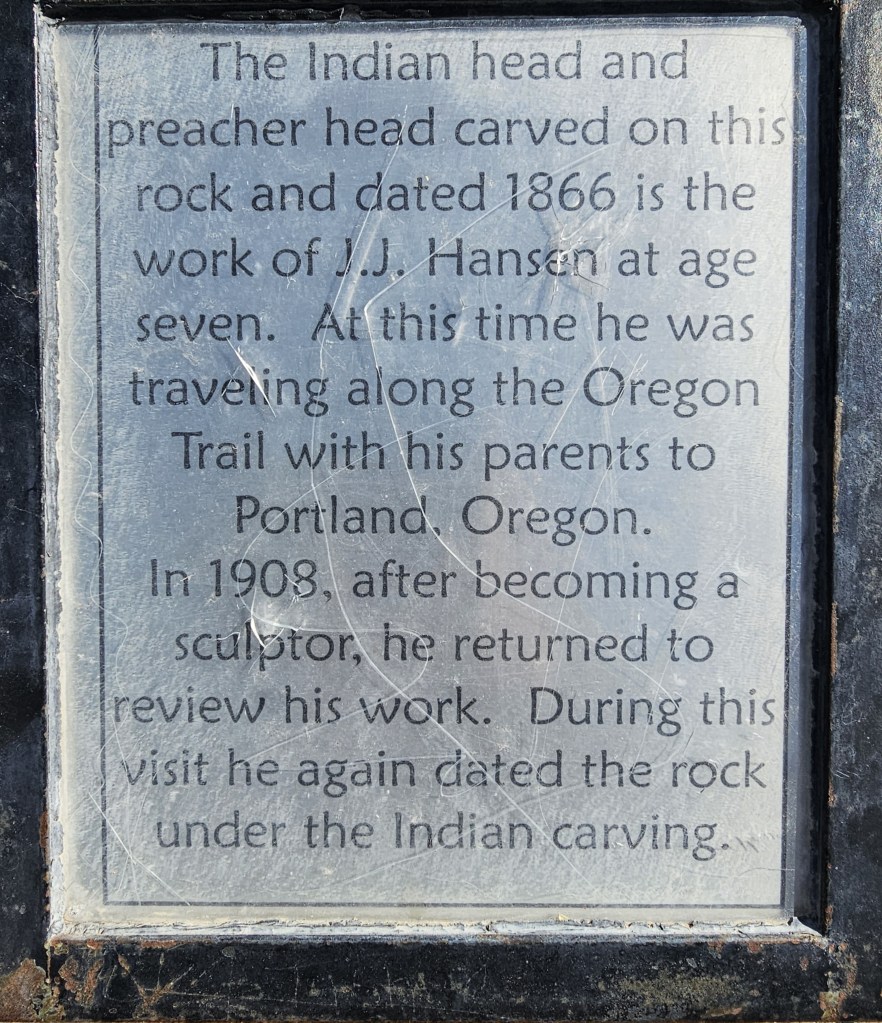
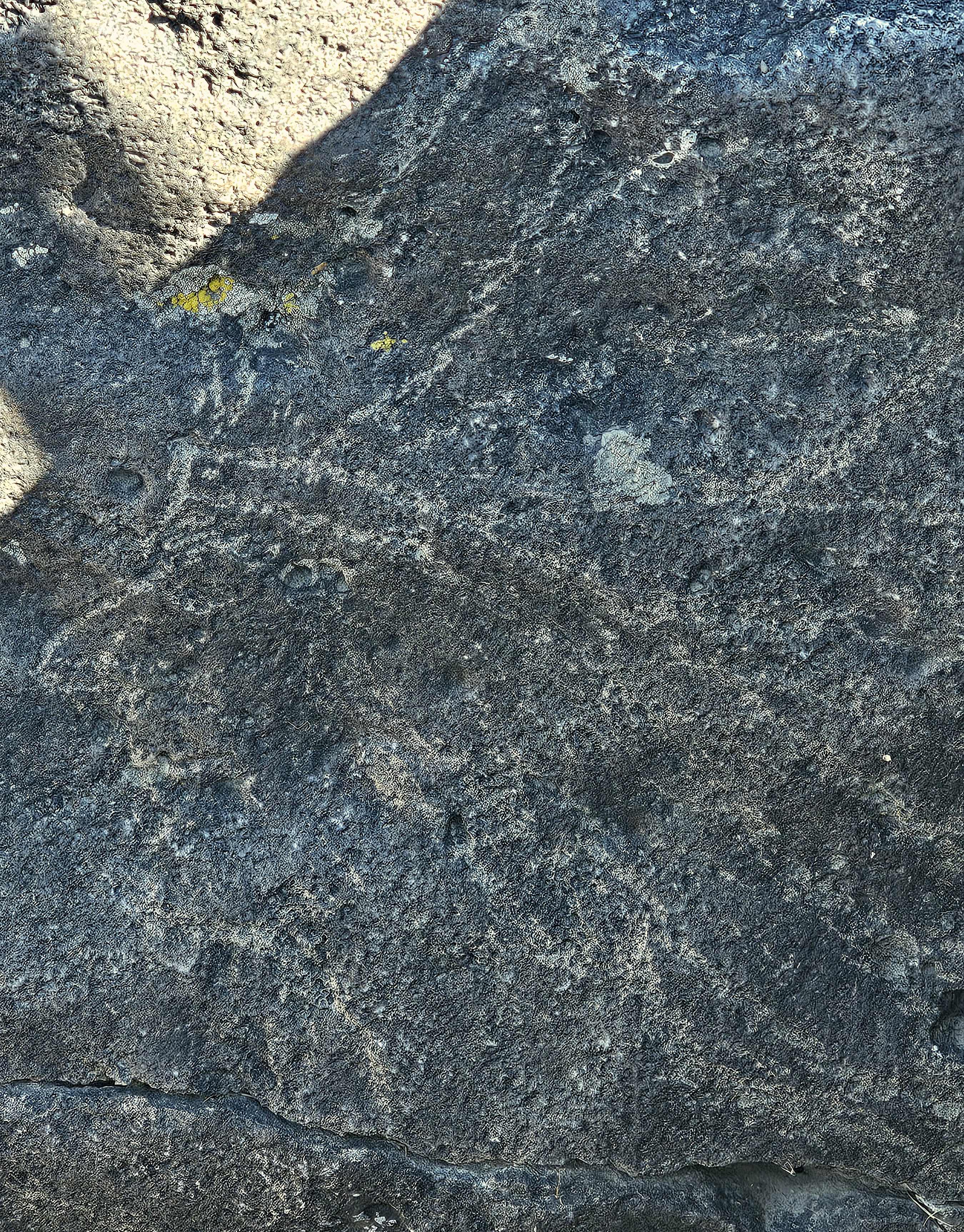
The carvings are not easy to make out, and because they sit in a hole in the ground, they are hard to photograph.


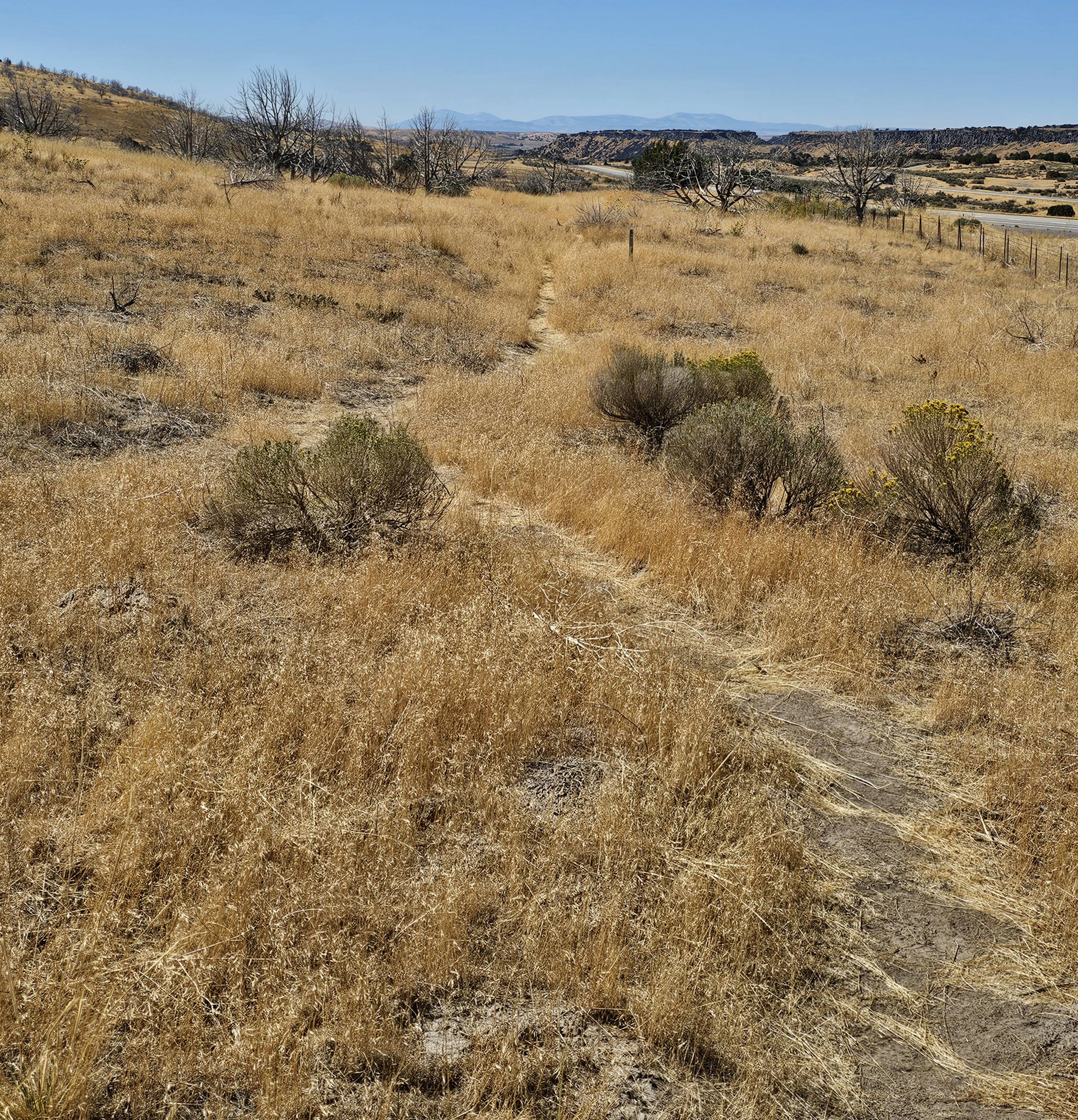
The park also has a trail that leads across an interstate to a set of wagon ruts that still exist from the pioneer wagon trains of the past. It was inspiring to see part of the perilous journey thousands took to find/make a better life for themselves. Many, many people died along these trails trying to manifest a better life for themselves and their families. On the flip side of that, the Native Americans who already lived on these lands were displaced, their homes and lands invaded, and lots of bloodshed occurred due to this drive west. Entire cultures were changed and lost. I had lots of conflicting emotions, standing in history, encompassing loss and gain for both sides of the perilous time of wagon trains, Native American and pioneer battles, displacement of tribes, and growth and expansion of American culture. These themes are still controversial today, and I do not want to get into debates, especially on this site.
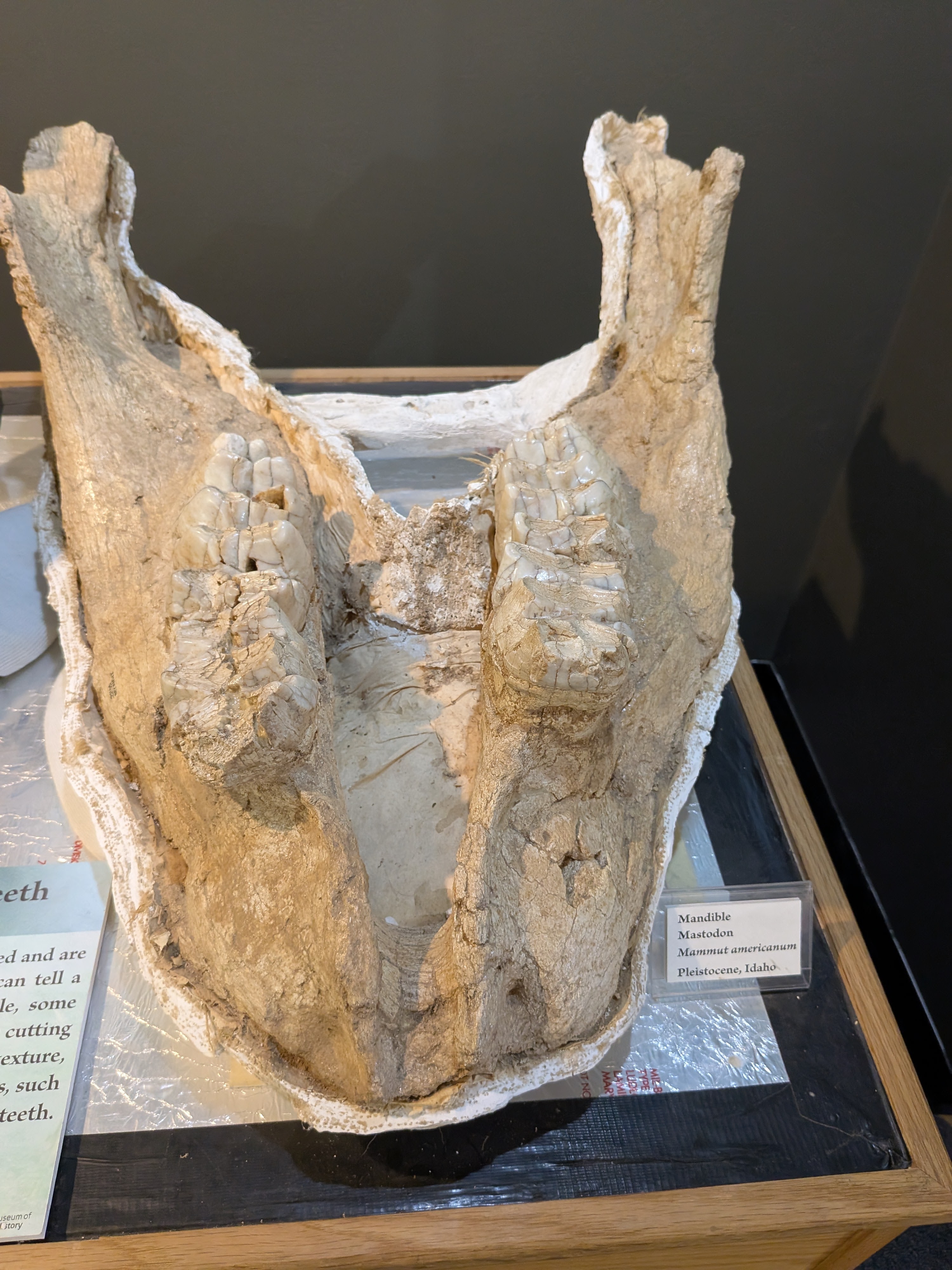
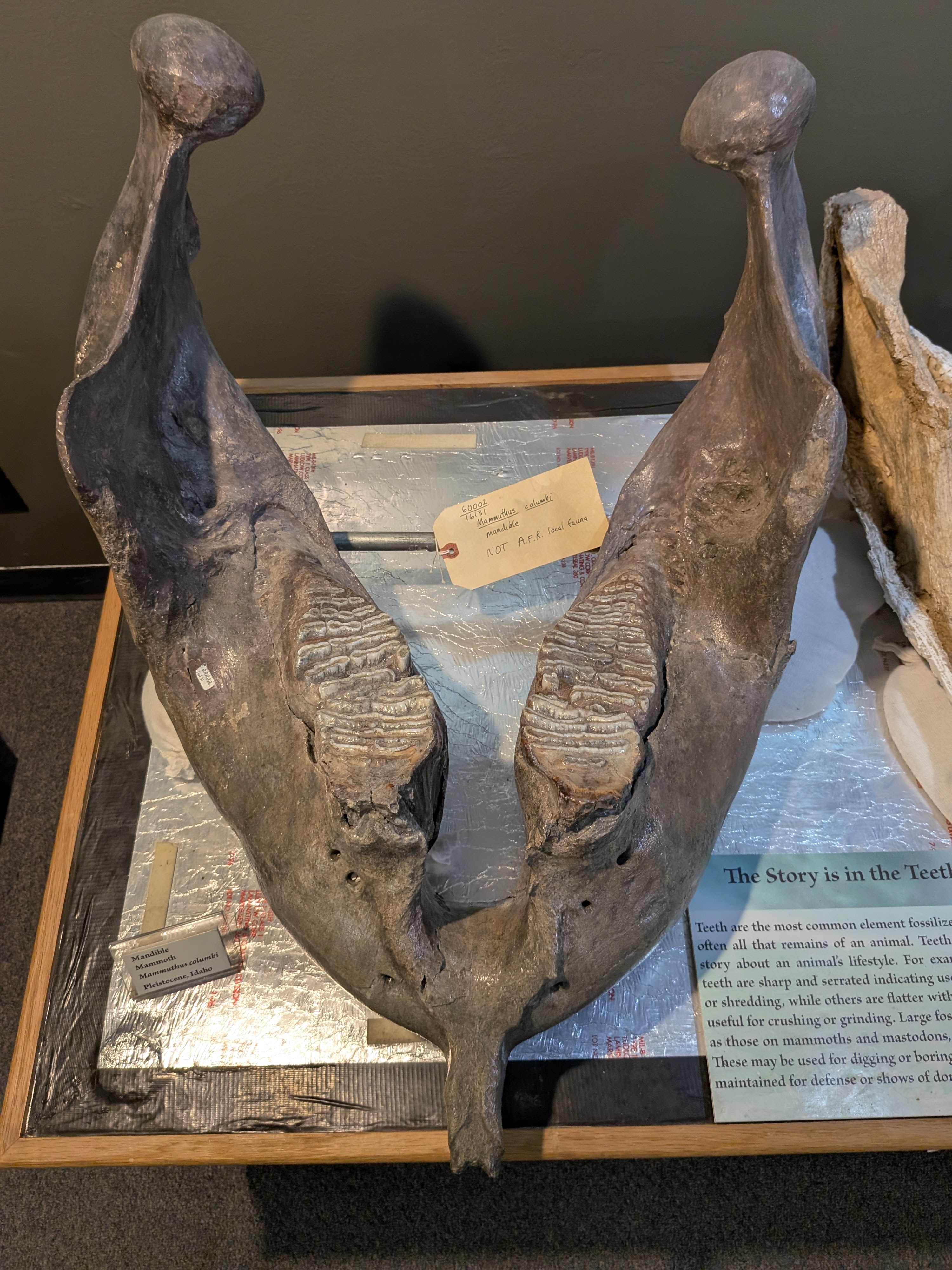
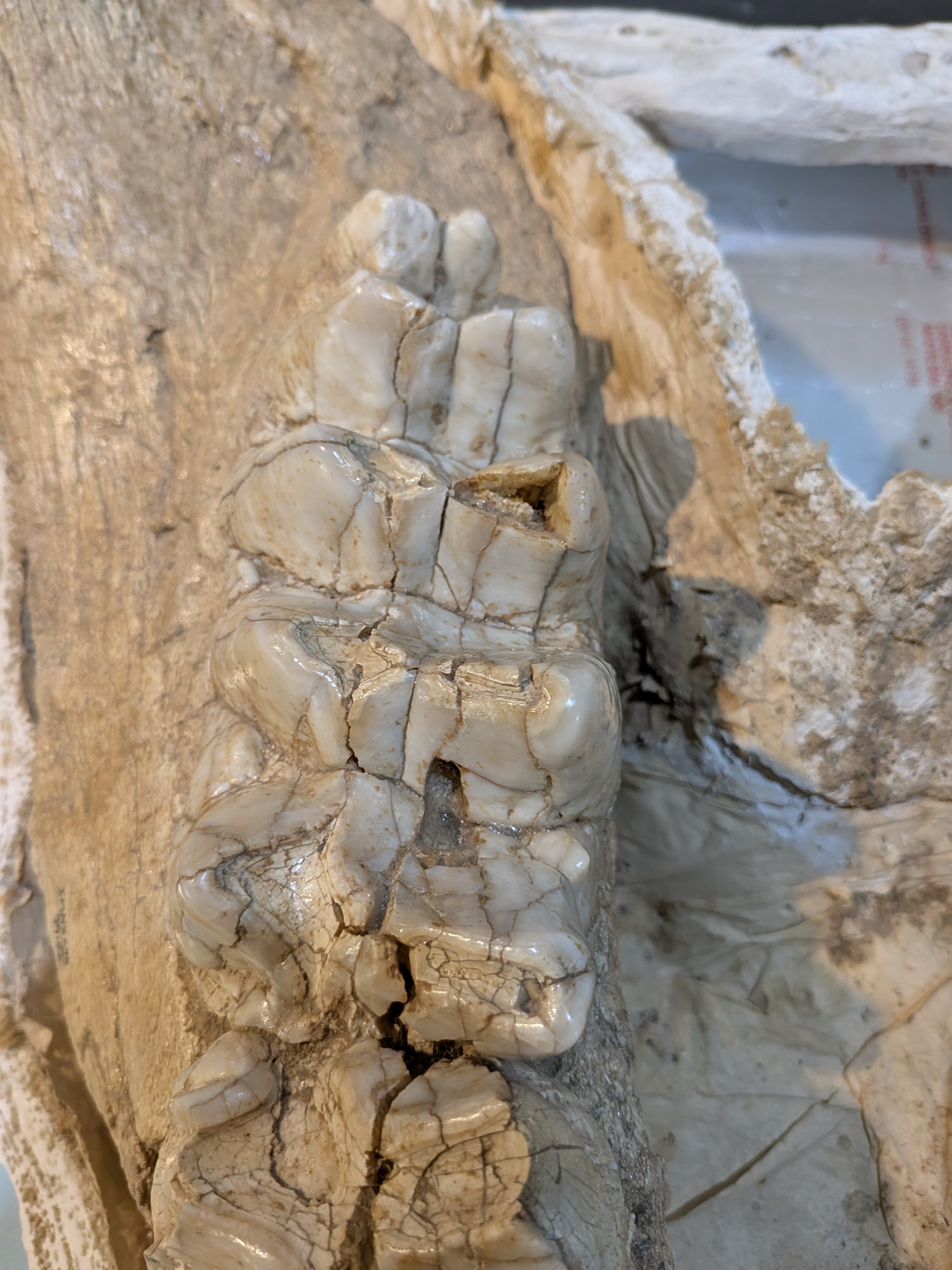
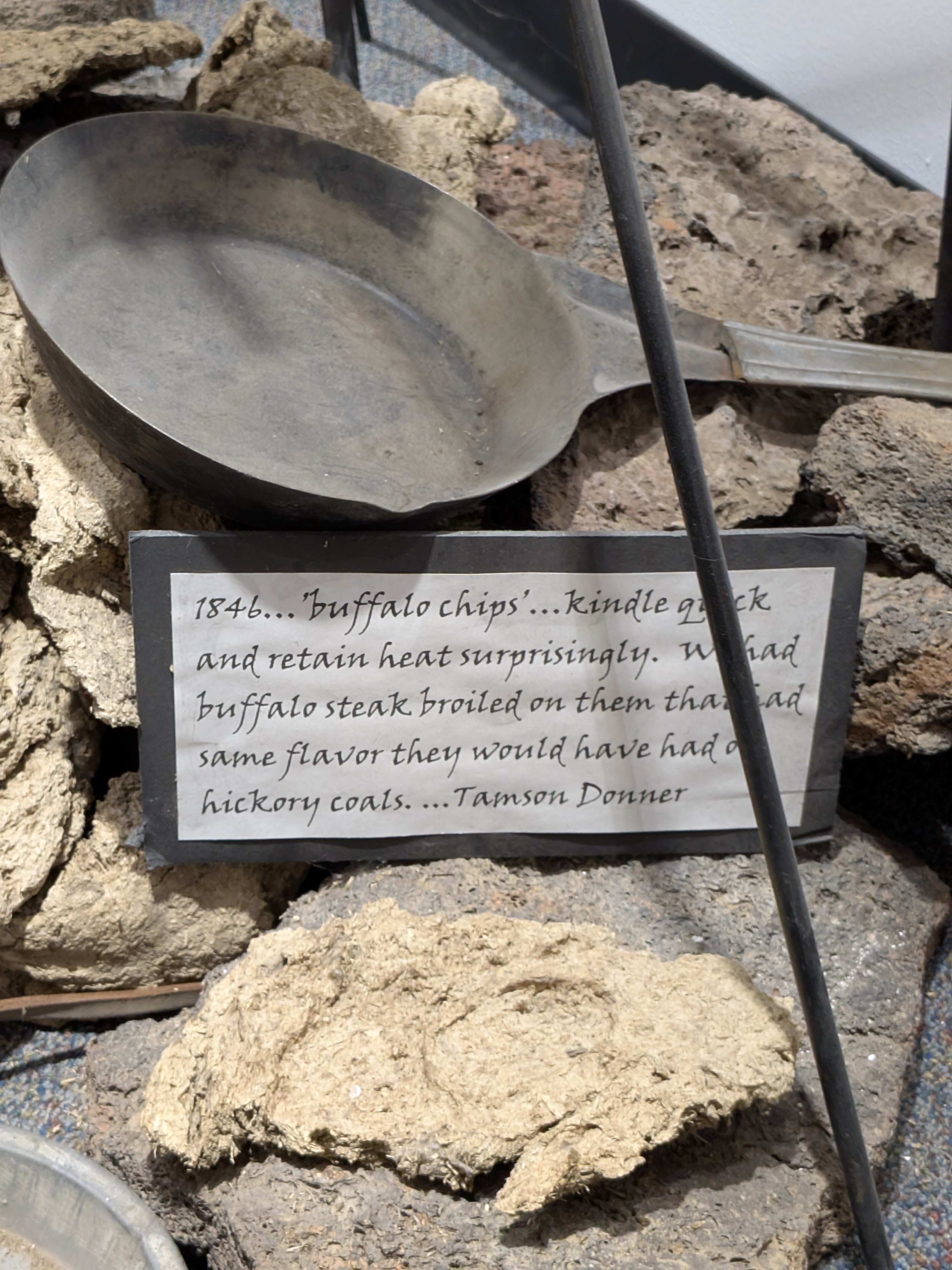
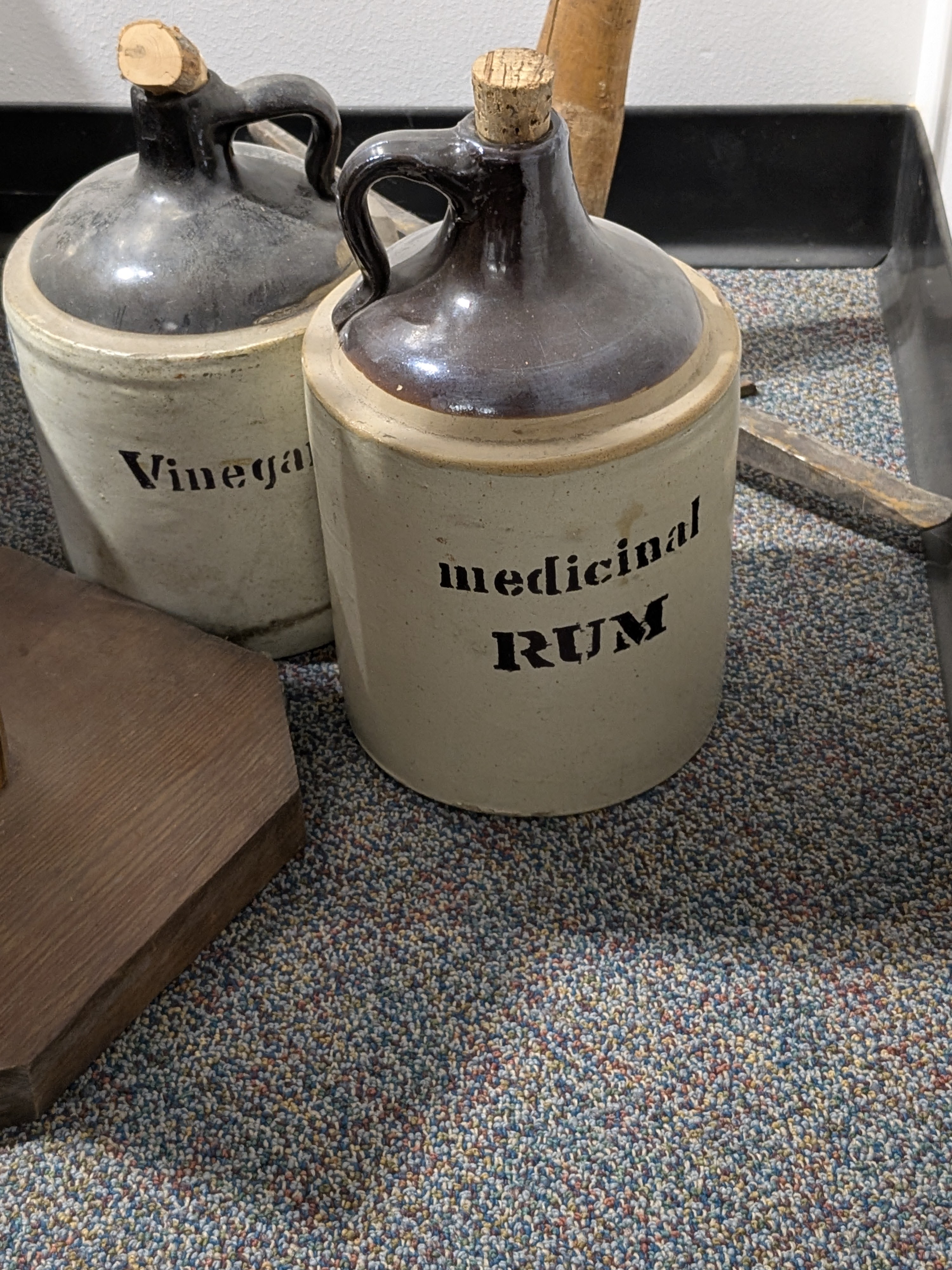
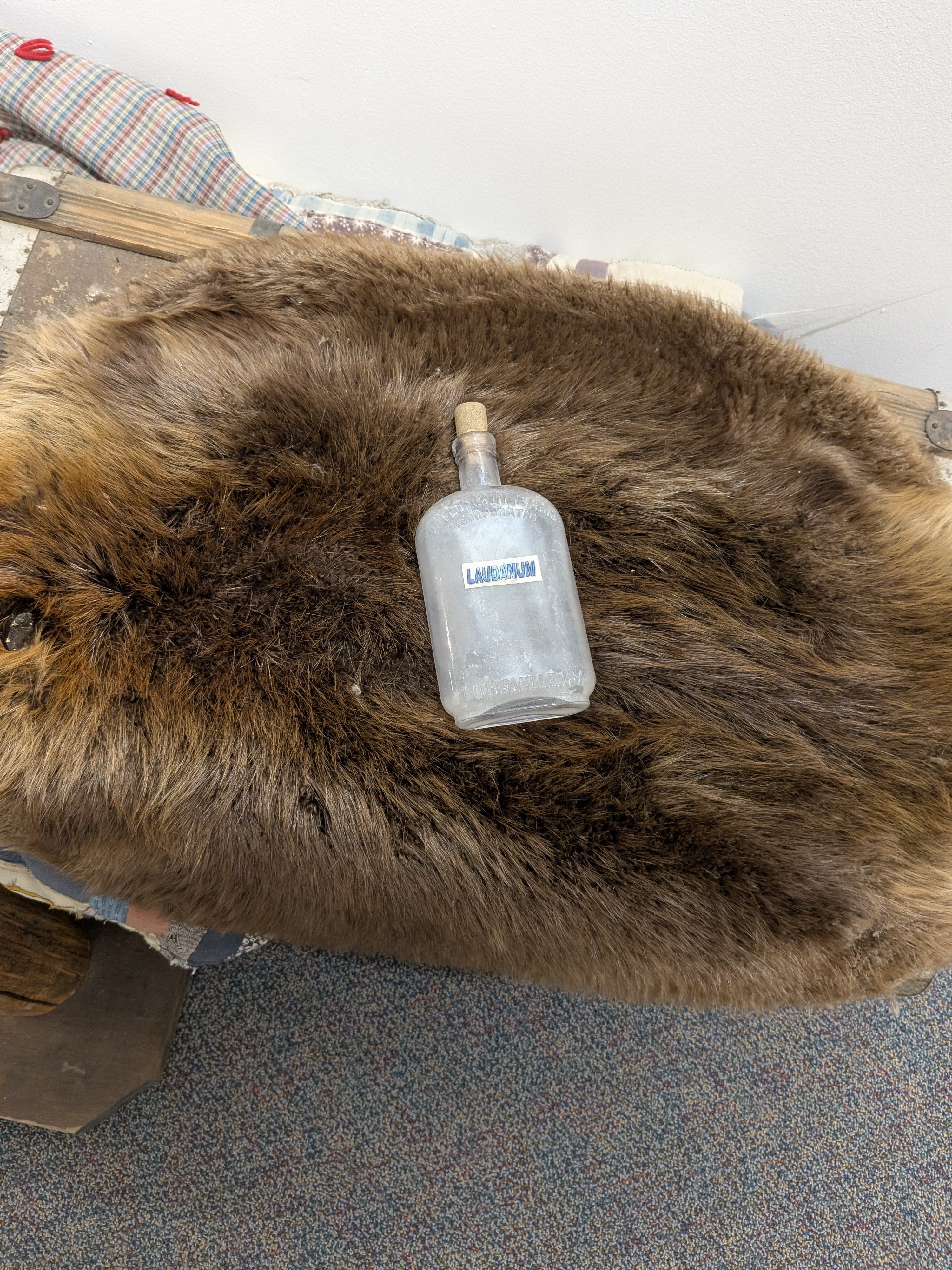
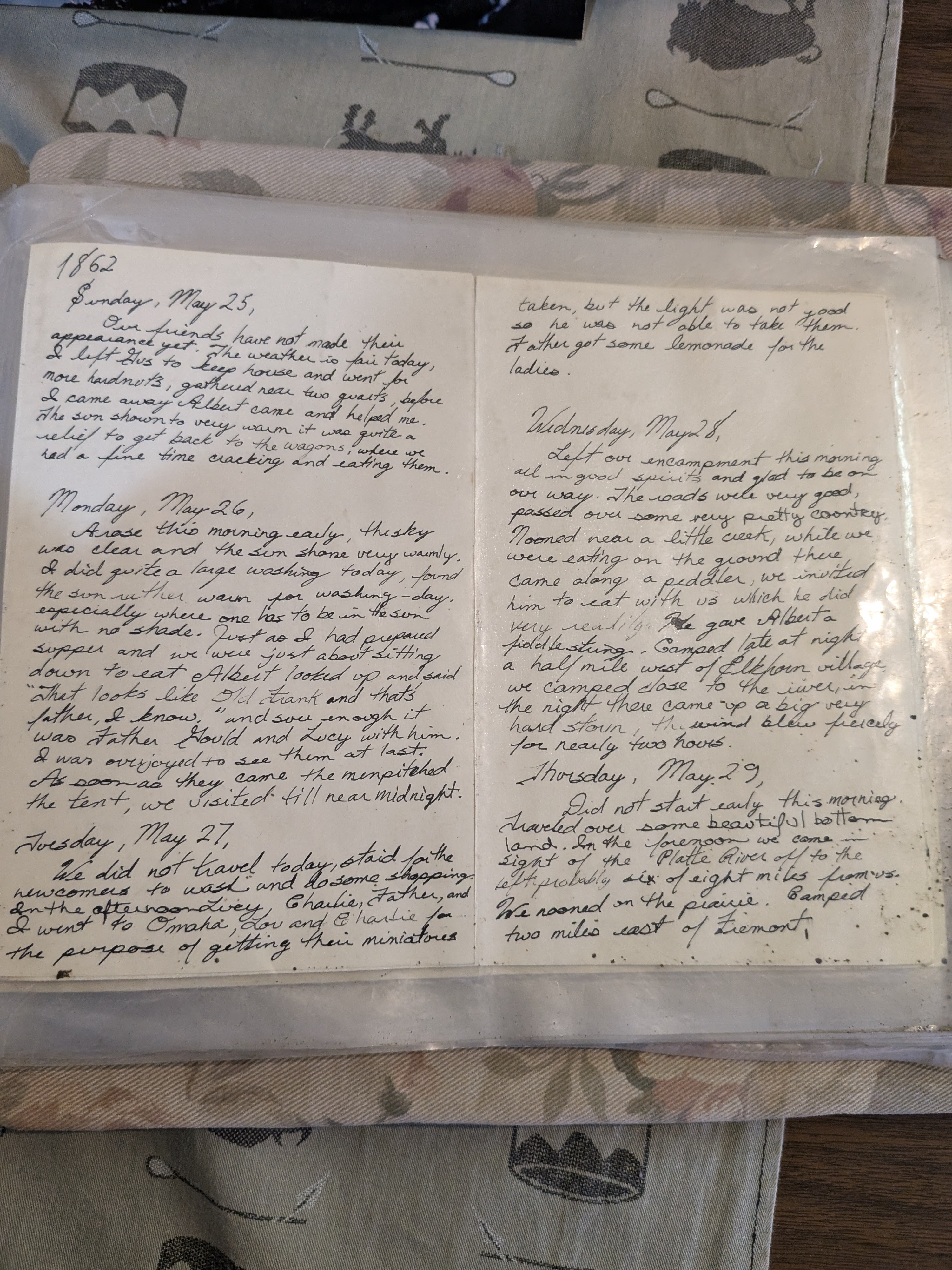
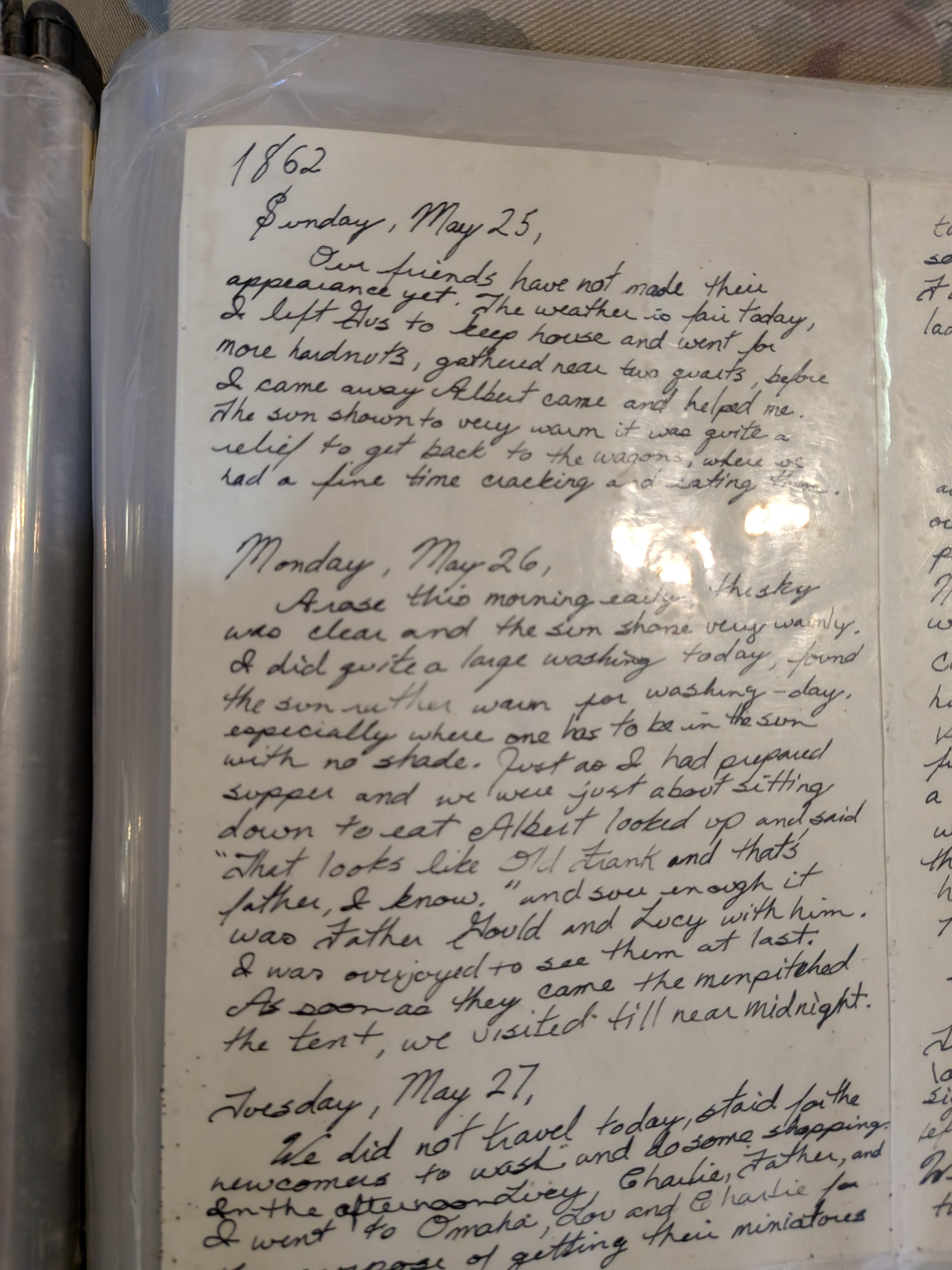
We also visited the museum on-site in the park. It had a nice display of some fossils found there, a journal of a pioneer on the Oregon Trail, and some recreations of what covered wagon travel looked like.

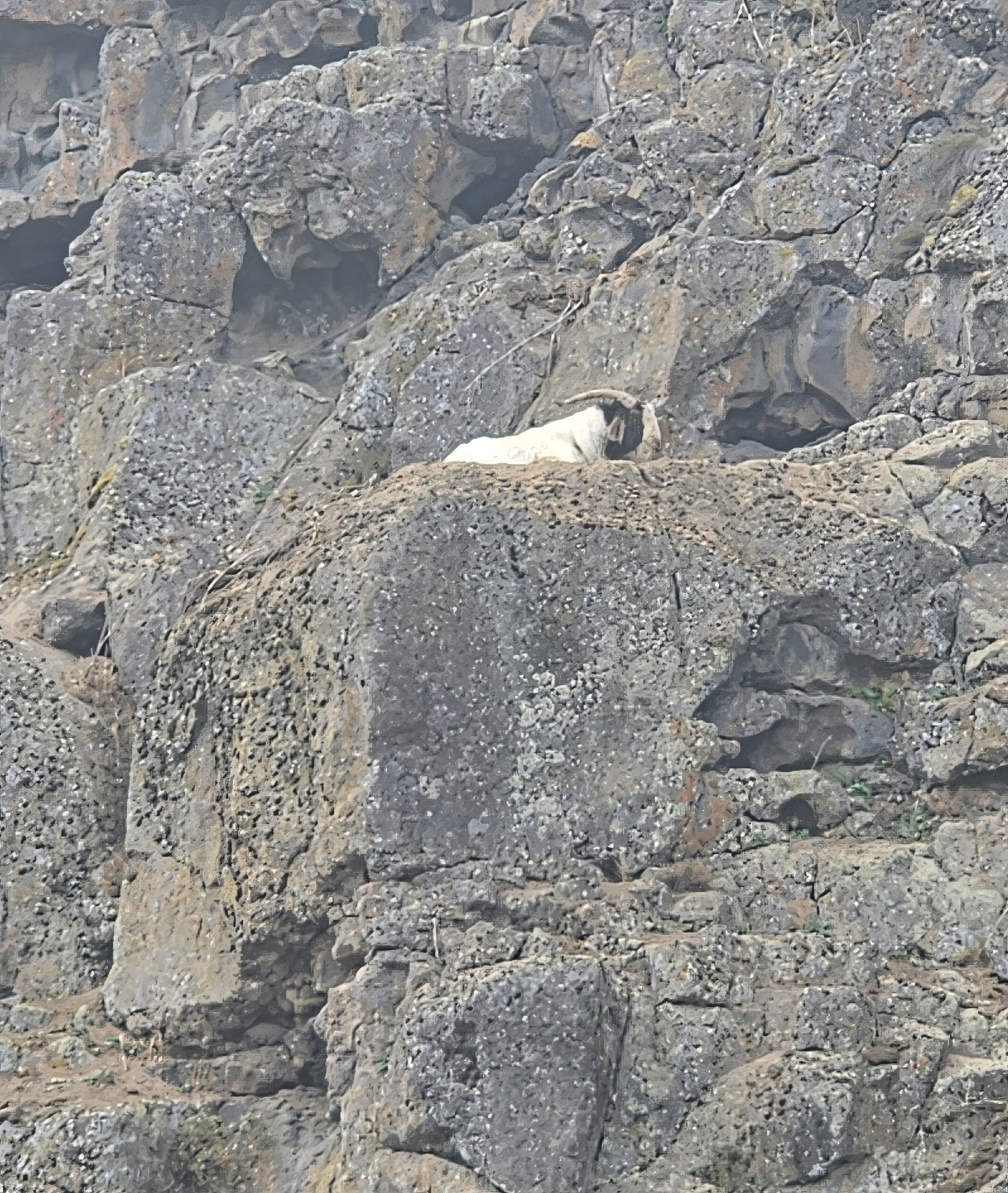
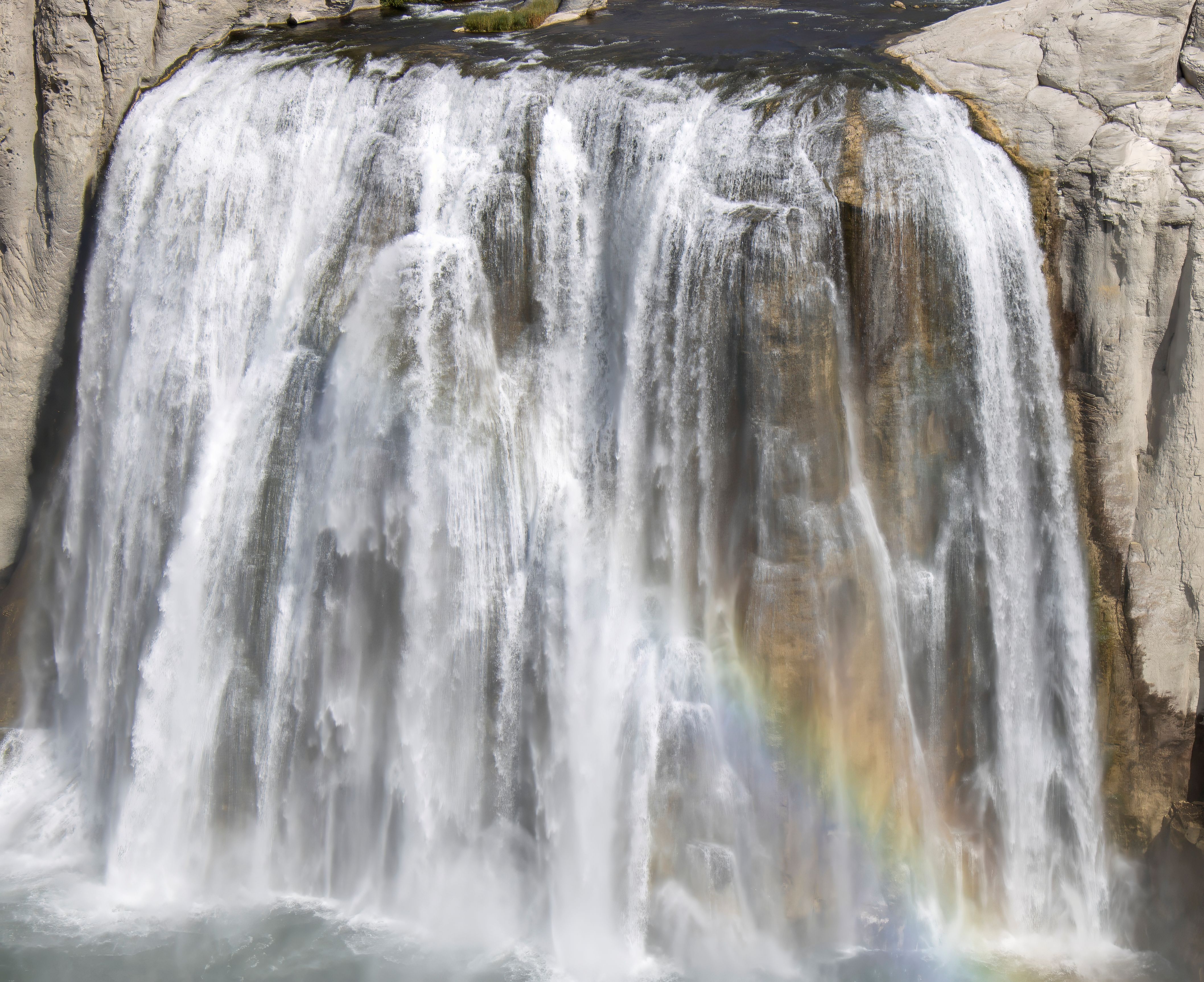
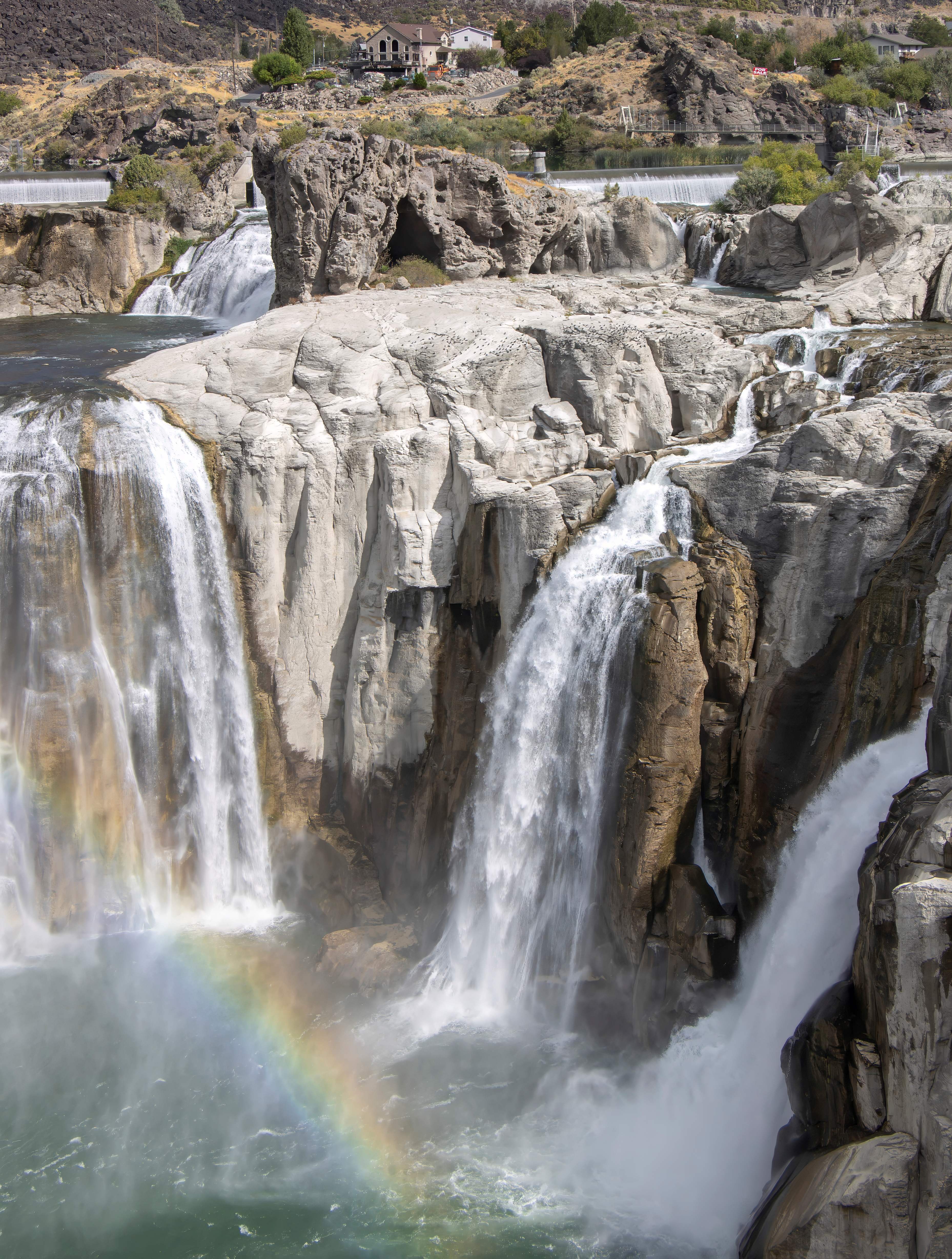
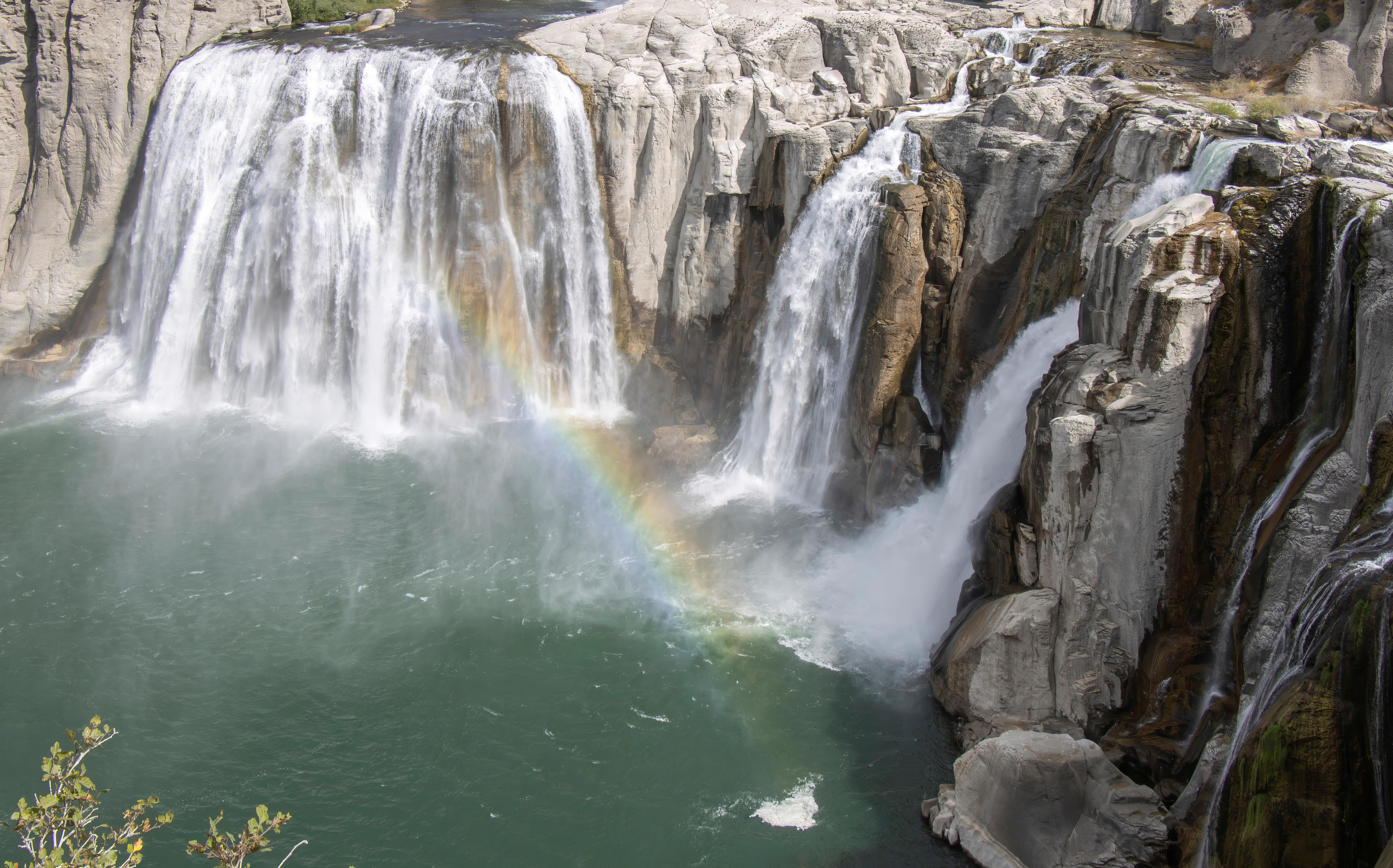
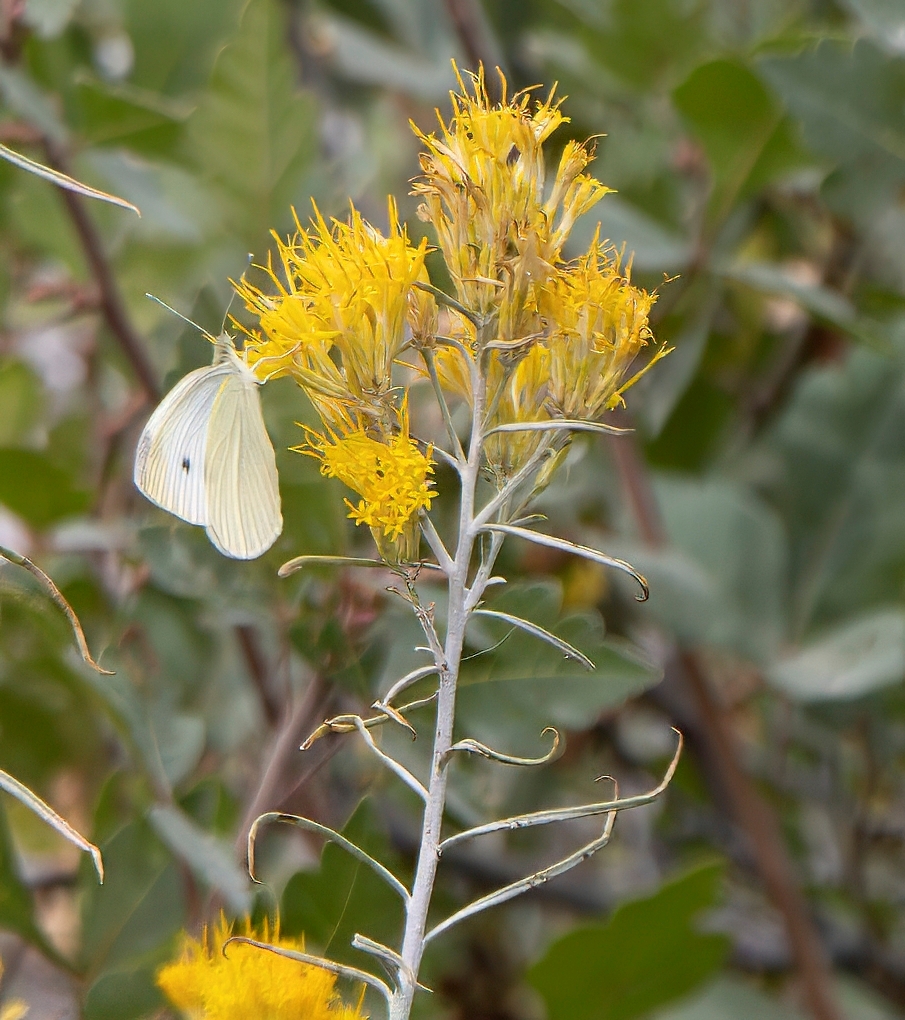
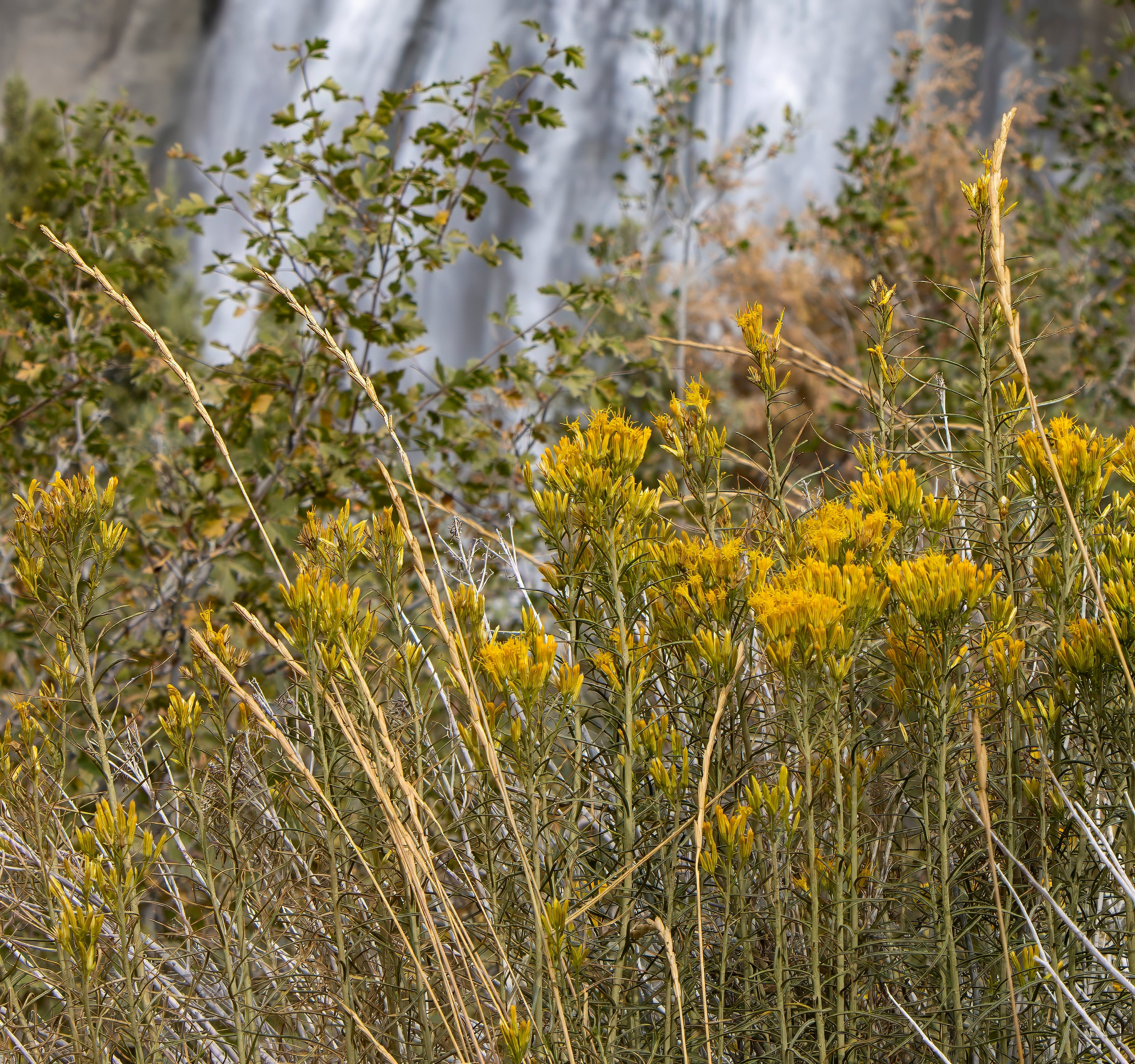
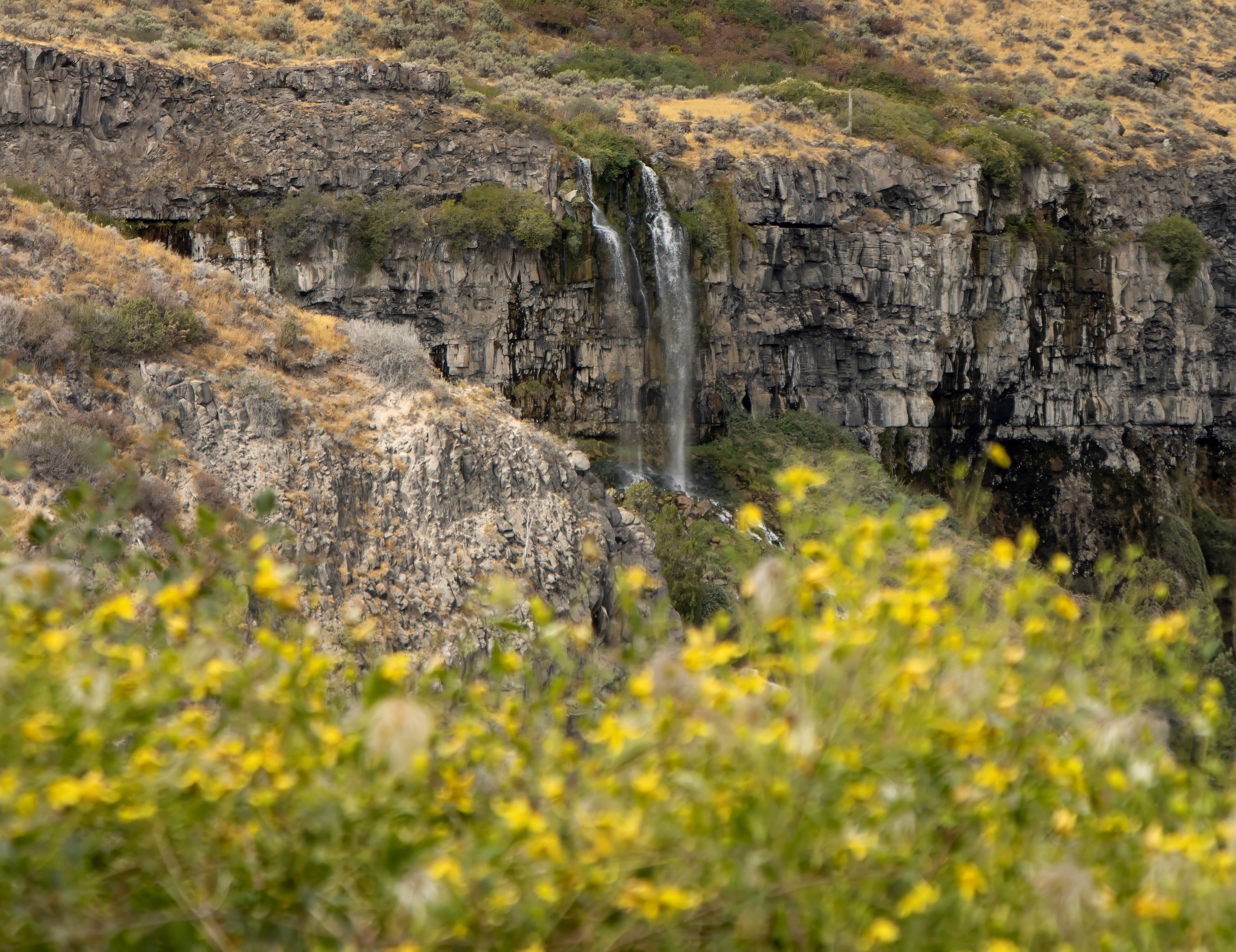
When our stay was over, we packed it up and started west toward Nevada. While looking at our route, I noticed that we would be passing very close to Shoshone Falls. This waterfall is called the Niagara of the West. So, we decided a short side trip was in order. The falls are controlled by damns, so sometimes their water flow is high, and sometimes it is low. The flow was low the day we went, so we did not witness the full power of the falls. Even with low flow, the falls were beautiful. We also saw a mountain goat just hanging out, watching cars come in and out of the park.

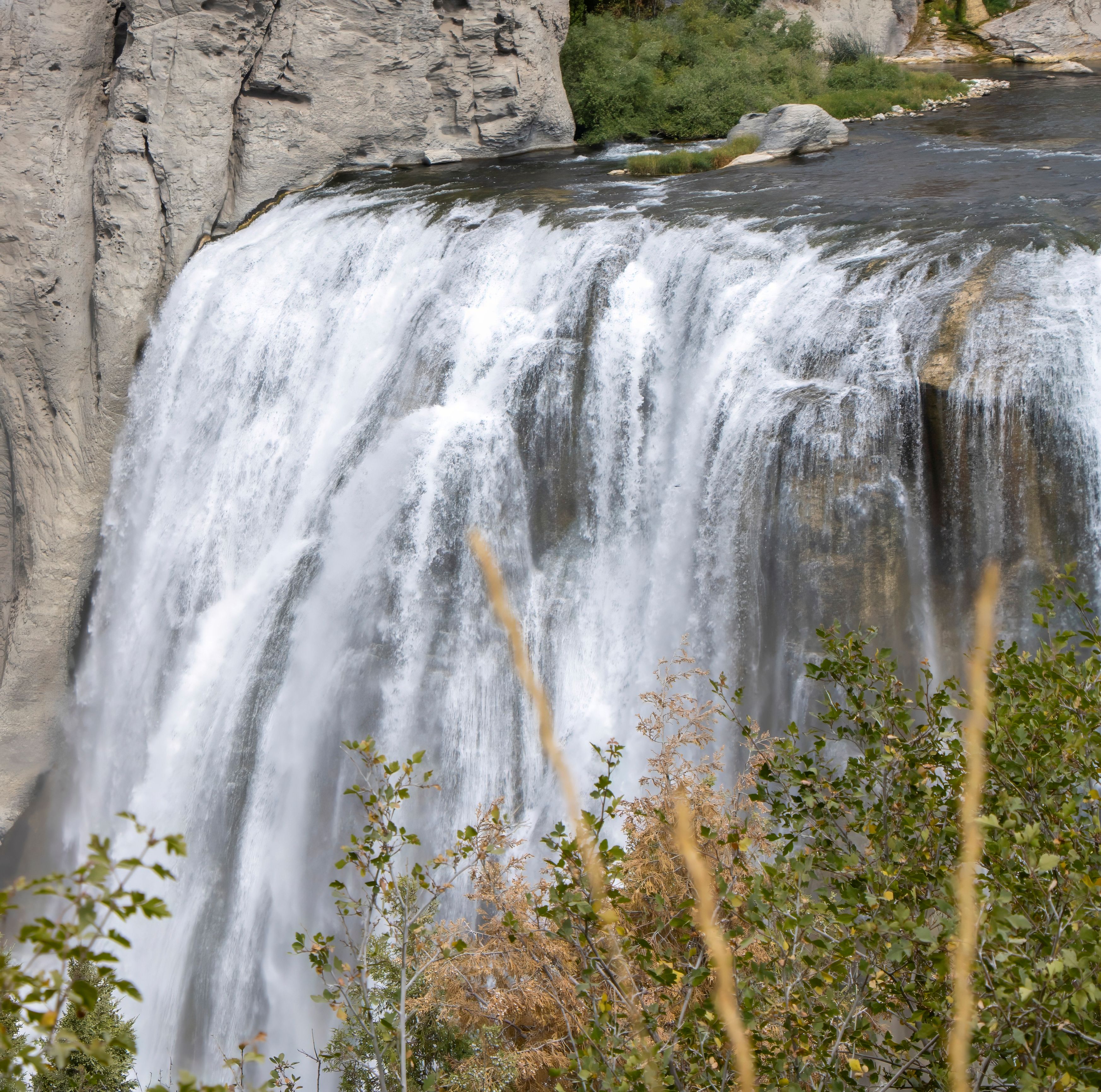
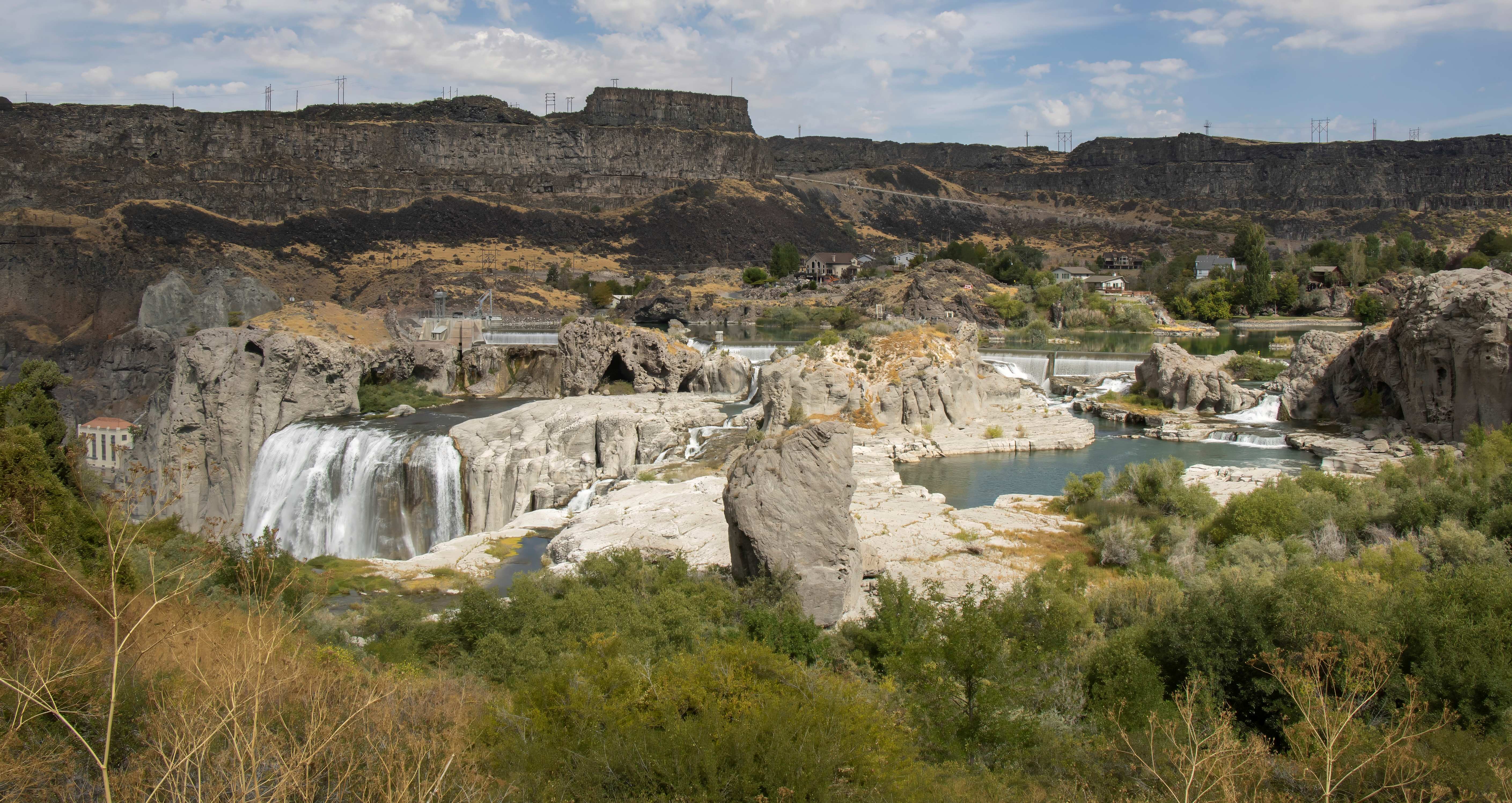
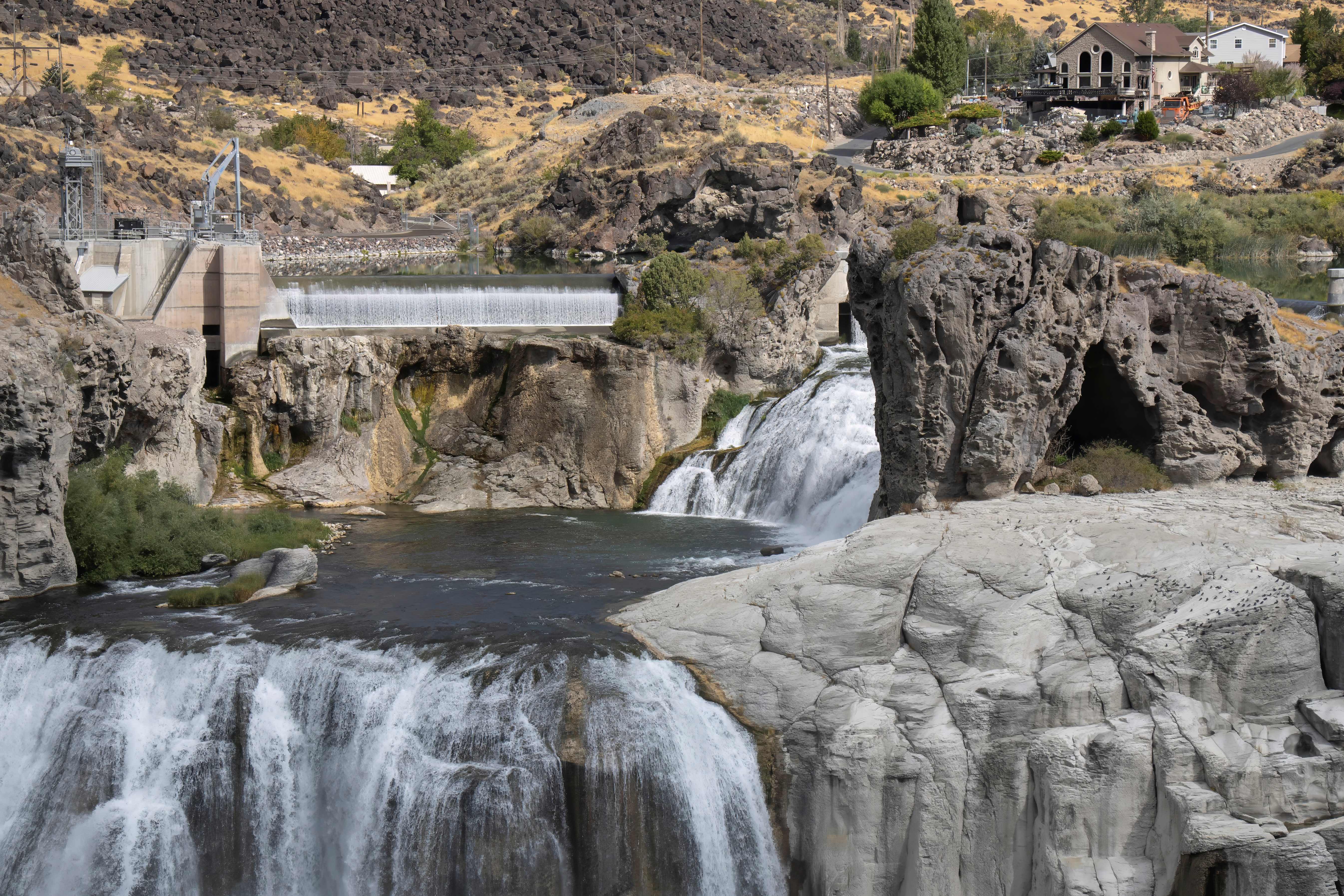
After an hour of taking pictures, we continued heading west into Nevada. We had been to Reno the year before, just for an afternoon of laundry and lunch. So this was to be our first time camping in Nevada and we were looking forward to another new state and experience, but still in a desert environment. Next week will be all about our stay at one of Nevada’s beautiful reservoirs.
 Wandering Cindi